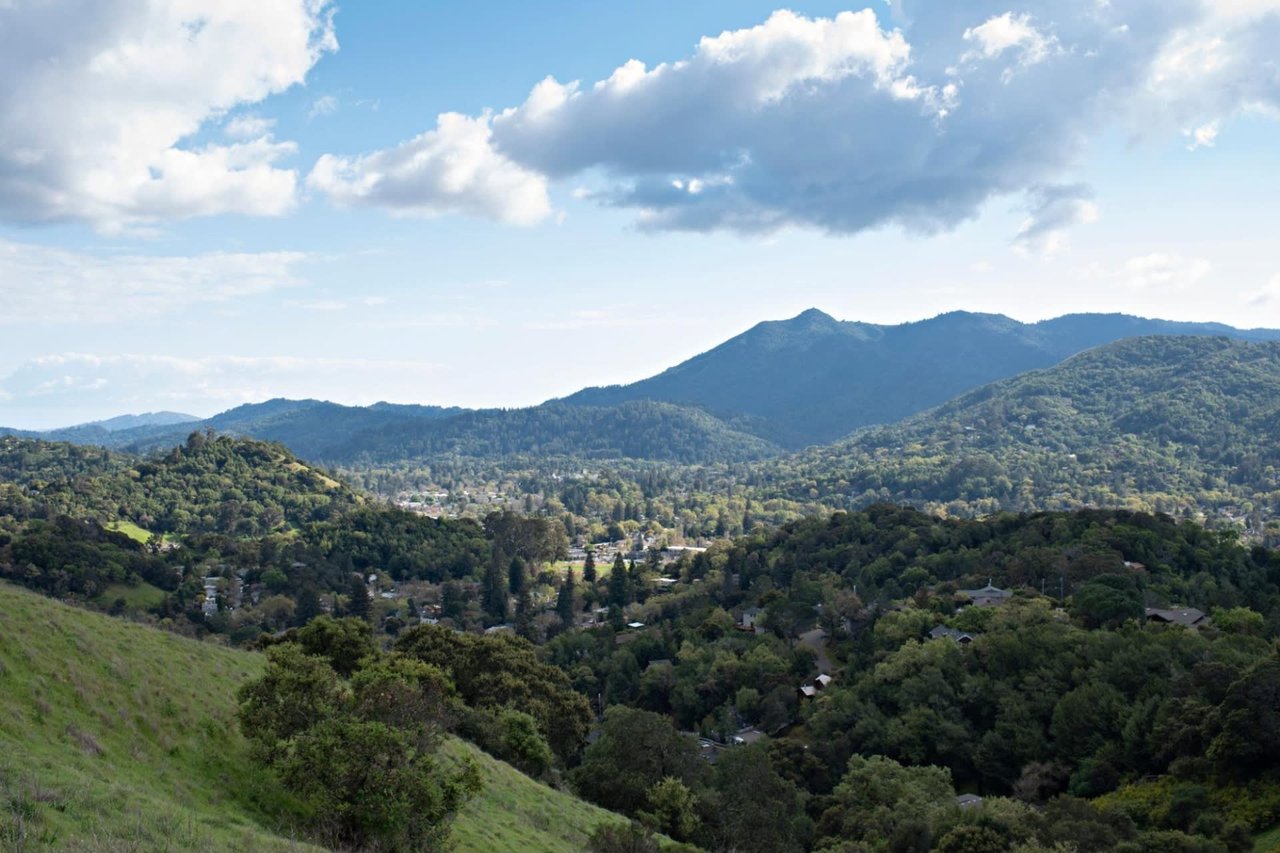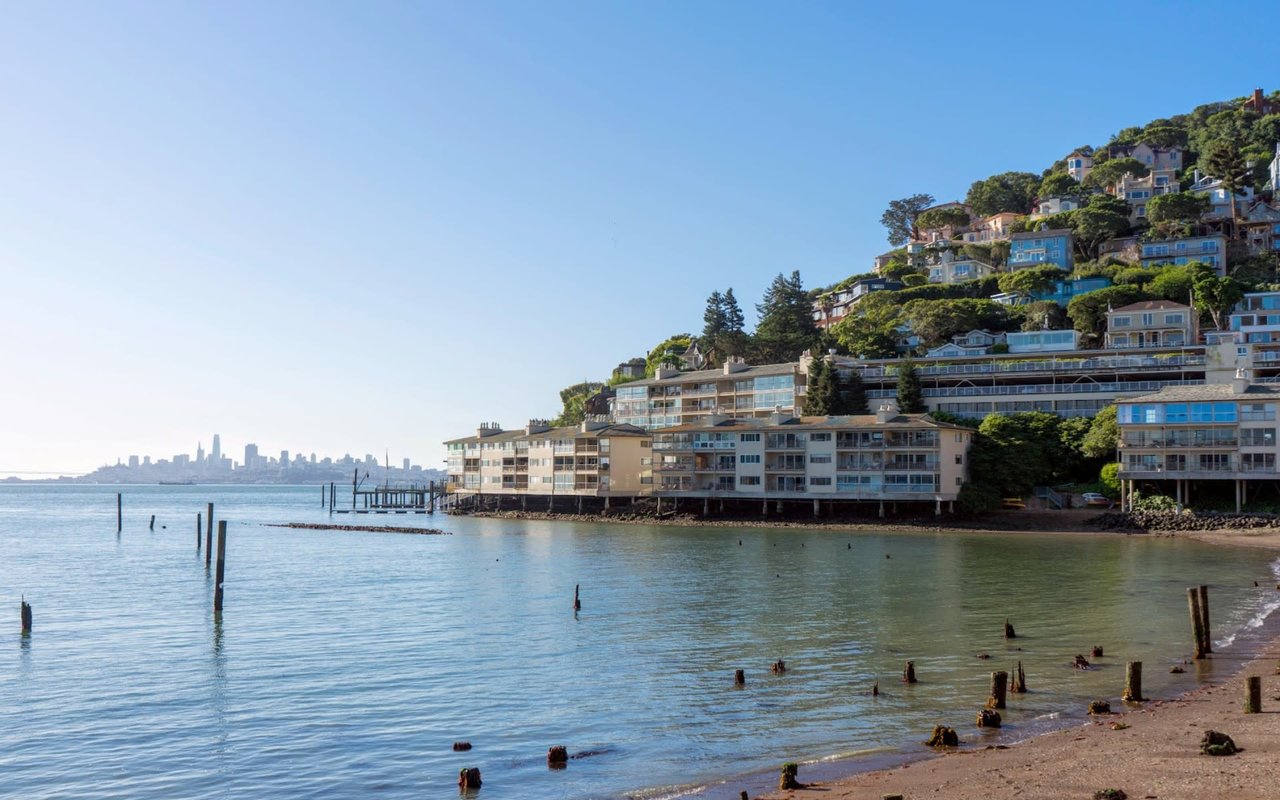
Buying a view home in Sausalito can feel like finding the best of Marin in one property. You get the Bay, the hills, and a setting that often feels dramatic the moment you walk in. But in Sausalito, a great view is only part of the decision, and the details behind that view can shape your costs, your use of the home, and your long-term resale. Let’s dive in.
Why Sausalito view homes need extra diligence
Sausalito treats views as a planning and design issue, not just a lifestyle perk. City materials distinguish between primary views from main living areas and decks or patios, secondary views from less-used rooms, and public views from streets and other rights-of-way. The city’s General Plan also emphasizes preserving ridgelines and limiting new silhouettes against the skyline.
That matters because a view is not always fixed forever. Remodels, additions, and changes in building mass or height on nearby properties can trigger review for compatibility with the site and surrounding area. In practical terms, you should think of a view as valuable, but not untouchable.
The city’s planning process reinforces that point. Sausalito planning forms include story-pole requirements and a view-determination affidavit, which shows how seriously view impacts can be reviewed, even on projects that may sound modest at first glance. If you are buying for a specific sightline, it is smart to study both the home and the nearby development context.
Look beyond the view itself
A beautiful panorama can distract from everyday function. In Sausalito, some of the best-positioned homes sit on steep sites, narrow streets, or challenging access points. Before you buy, it helps to ask a simple question: how easy will this home feel on a normal Tuesday, not just during a showing?
The strongest view properties usually combine scenery with practical livability. That includes parking, drainage, year-round access, and permits that appear clean and understandable. When those basics work well, the home tends to feel easier to own and easier to resell.
Slope and geology matter in Sausalito
Sausalito is a hillside community, and the city notes that much of its residential development sits on steeply sloping sites where excavation and grading are often necessary. After the February 14, 2019 mudflow in Hurricane Gulch, the city’s Landslide Task Force recommended hydrologic and geotechnical assessment, updated building and remodeling guidelines, and possible hazard-abatement measures.
This is one reason geotechnical review should feel routine here, not unusual. The city’s building-permit instructions list a geotechnical report as a normal example of a submittal document. Marin County also publishes hazard maps showing areas susceptible to landslides, flooding, sea-level-rise impacts, and wildfire.
If you are evaluating a hillside property, parcel-specific diligence is key. A general sense that a home is "up on the hill" is not enough. You want to understand the lot’s slope, drainage behavior, retaining conditions, and any known geologic concerns tied to that exact parcel.
Questions to ask about slope conditions
- Has the seller completed any geotechnical, hydrologic, drainage, or retaining-wall work?
- Are there reports, permits, or plans that explain past grading or stabilization?
- Does the site show signs of runoff concentration, erosion, or water moving toward structures?
- Has access or parking been affected by slope, weather, or road conditions?
- Are there future maintenance items tied to the hillside setting?
Access and parking can shape daily life
In many Sausalito neighborhoods, parking is not a minor issue. The city notes that parking is often difficult, many hillside areas lack enough spaces, and some residential areas require permits for overnight or extended parking. For a view home, that can affect both convenience and guest use.
Ingress and egress also deserve close attention. Some hillside streets have unusual access conditions, and the city notes that Wolfback Ridge Road, for example, is private and restricted to neighborhood residents and guests. A home can feel private and elevated, but that same setting may come with real-world tradeoffs around entry, deliveries, contractors, or visitors.
Traffic patterns matter too. Sausalito’s sea-level-rise FAQ warns that flooding at the Highway 101 approach could redirect traffic to narrow winding hillside roads. Even if your home sits higher up, your daily route may still depend on lower-lying infrastructure.
What to evaluate during a showing
- Number and usability of on-site parking spaces
- Street width and turning ease
- Stair access from parking to the front door
- Guest parking availability nearby
- Ease of access in rain, fog, or evening hours
- Whether any road or driveway conditions could affect service vehicles
Microclimate can change the living experience
Not every Sausalito view home lives the same way day to day. The city sits between Richardson Bay and the coastal mountains, and regional marine-layer conditions can leave parts of the North Bay under stratus while nearby areas clear. That does not mean every view property is foggy, but it does mean one street can feel very different from another.
For buyers, microclimate is more than a comfort issue. It can affect sunlight, wind exposure, moisture, deck use, and even how often you actually enjoy the view that drew you in. A west-facing deck with wind and marine exposure may feel very different from a sheltered hillside terrace just a short distance away.
Try to visit at the times that matter most to you. Morning light, afternoon wind, evening dampness, and weekend traffic patterns can all shape how the property performs in real life. A second or third visit often reveals things a first showing does not.
Shoreline exposure and infrastructure risk
Some buyers assume that if a home is uphill, shoreline issues do not apply. In Sausalito, that can be an incomplete view of the risk. The city’s shoreline-adaptation work focuses on surface and groundwater flooding from sea-level rise, along with protection of transportation and utility corridors and Bay access.
The city says low-lying areas, Bridgeway, the Marinship, and some access routes are already vulnerable during storms and king tides. So even a hillside home may depend on lower-elevation streets, utilities, or travel routes. That is worth considering if you commute regularly or expect easy access year-round.
Insurance deserves attention early
Insurance should be part of your early diligence, not a last-minute escrow item. California’s Department of Insurance says standard homeowners policies typically exclude flood, mudslide, and debris flow. It also notes that California FAIR Plan coverage does not include storm-related damage unless the buyer also purchases supplemental difference-in-conditions coverage.
Flood insurance is also separate. The Department of Insurance notes that a typical NFIP flood policy generally takes 30 days to become effective unless lender-triggered at closing in a designated high-risk area. If a property raises any questions around flood, debris flow, or wildfire exposure, it is wise to review maps and speak with your insurance professionals early.
Insurance topics to review before removing contingencies
- Standard homeowners policy exclusions
- Whether flood coverage should be added
- Whether mudslide or debris-flow exposures require added planning
- FAIR Plan implications, if relevant
- Timing for any separate flood policy to become effective
- Property-specific wildfire, flood, landslide, and sea-level-rise map review
Permits can be a bigger issue than buyers expect
Sausalito requires planning permits for almost all changes to a residential building, including exterior changes such as fences, decks, windows, doors, and room additions. The city processes building permit applications electronically, and plan review does not begin until the application is complete. Some permits can also carry holds from planning, building, fire, environmental health, or the sanitary district.
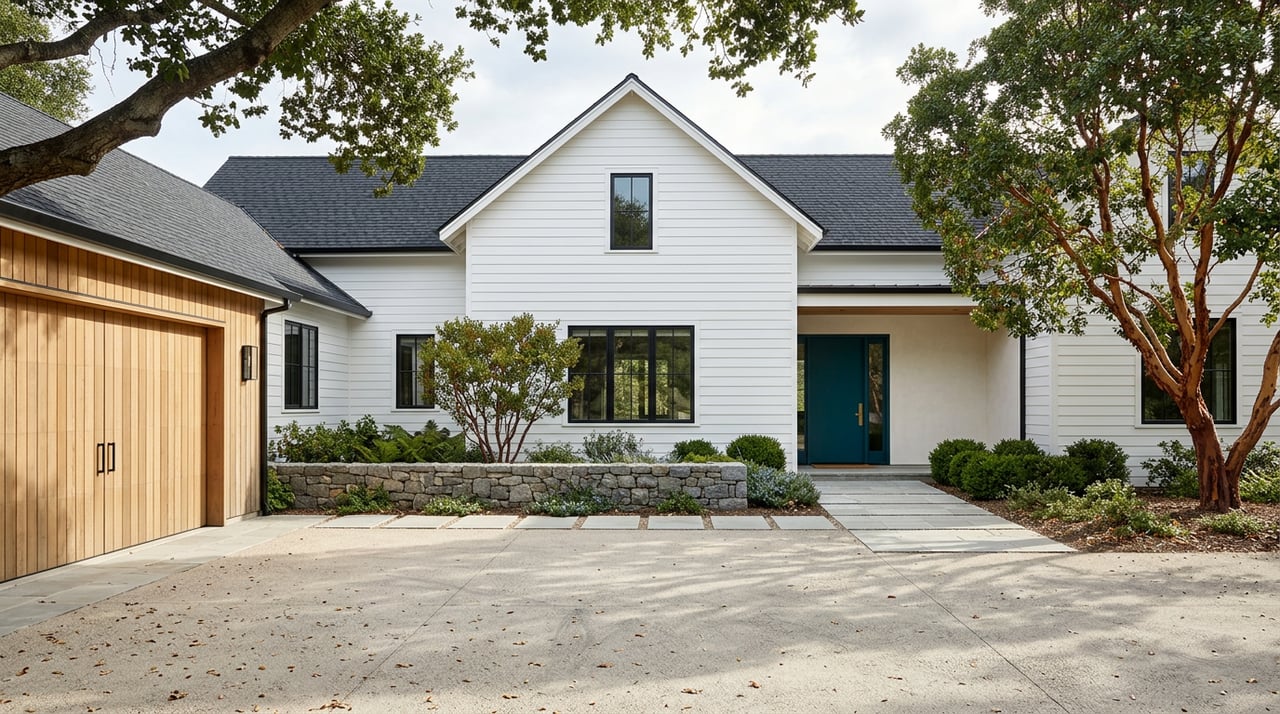
For buyers, this means prior improvements should not be taken at face value. A view-facing deck, enlarged windows, or exterior door changes may seem straightforward, but they can still require formal approvals. When permit history is unclear, future resale and future remodeling can both become more complicated.
Decks and view-facing improvements need careful review
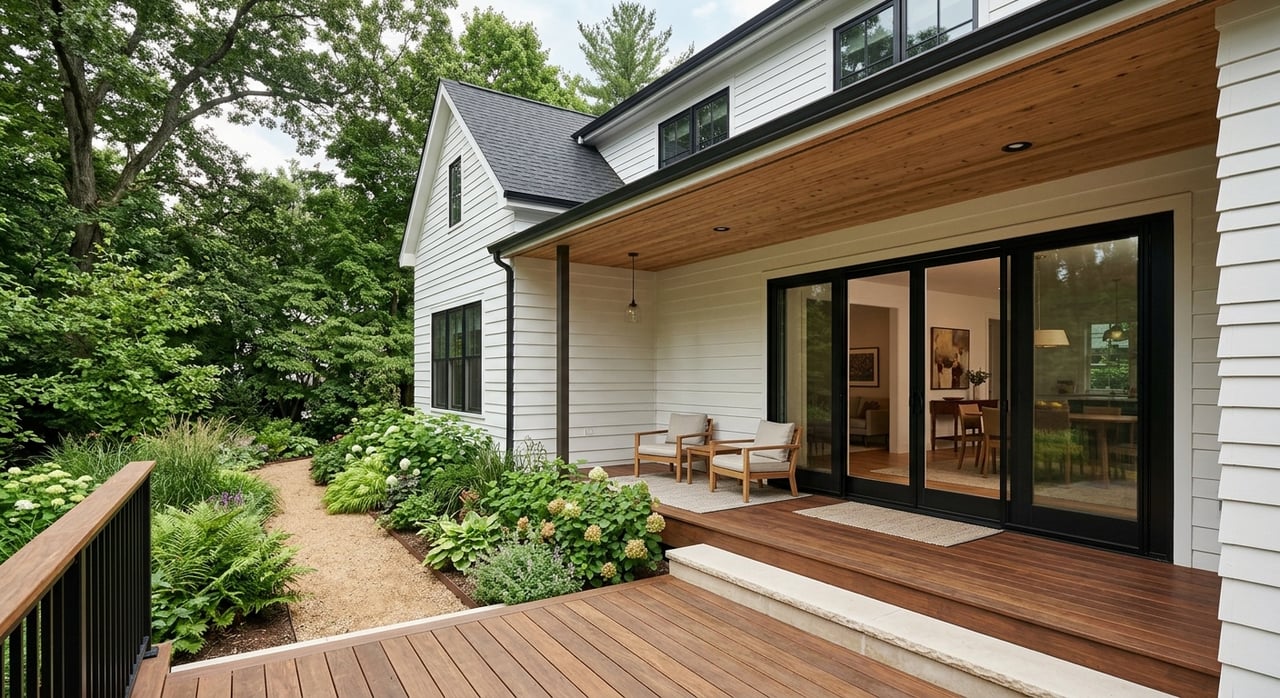
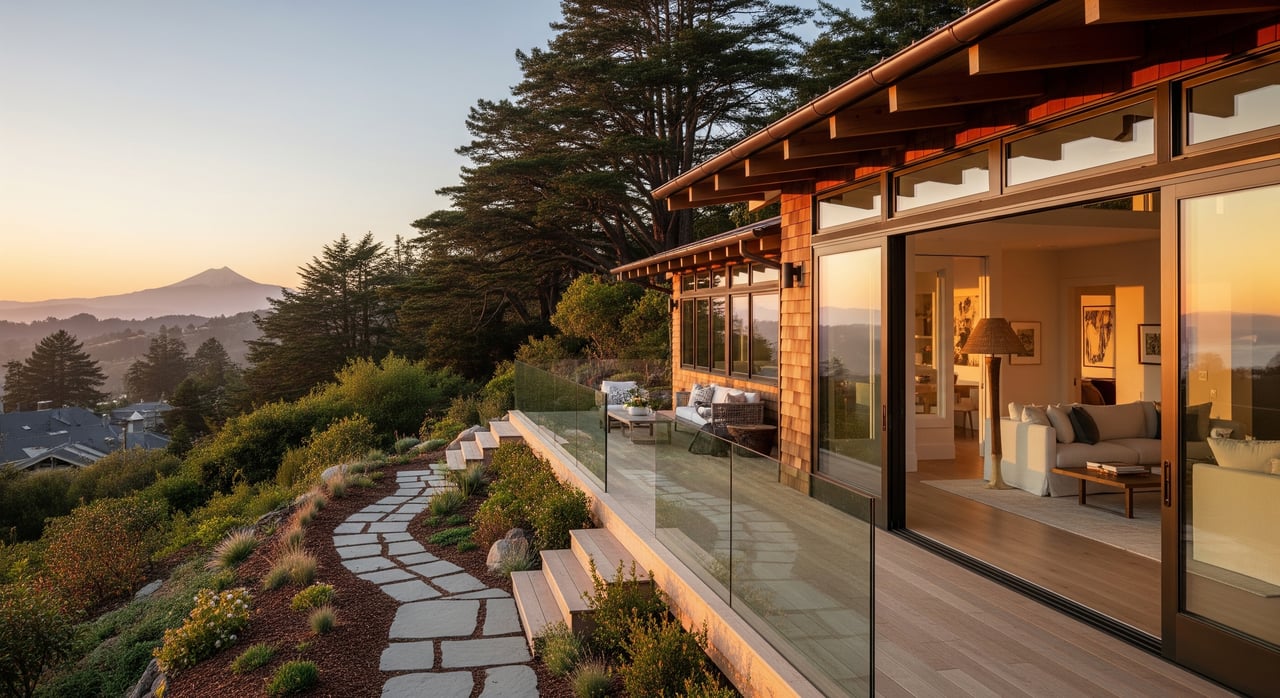
Deck work is particularly regulated in Sausalito. The city’s deck handout says decks over 18 inches above grade need planning approval first, and decks over 8 feet above grade must be engineered. The plans must also identify safety-glass requirements where relevant to the deck or stairs.
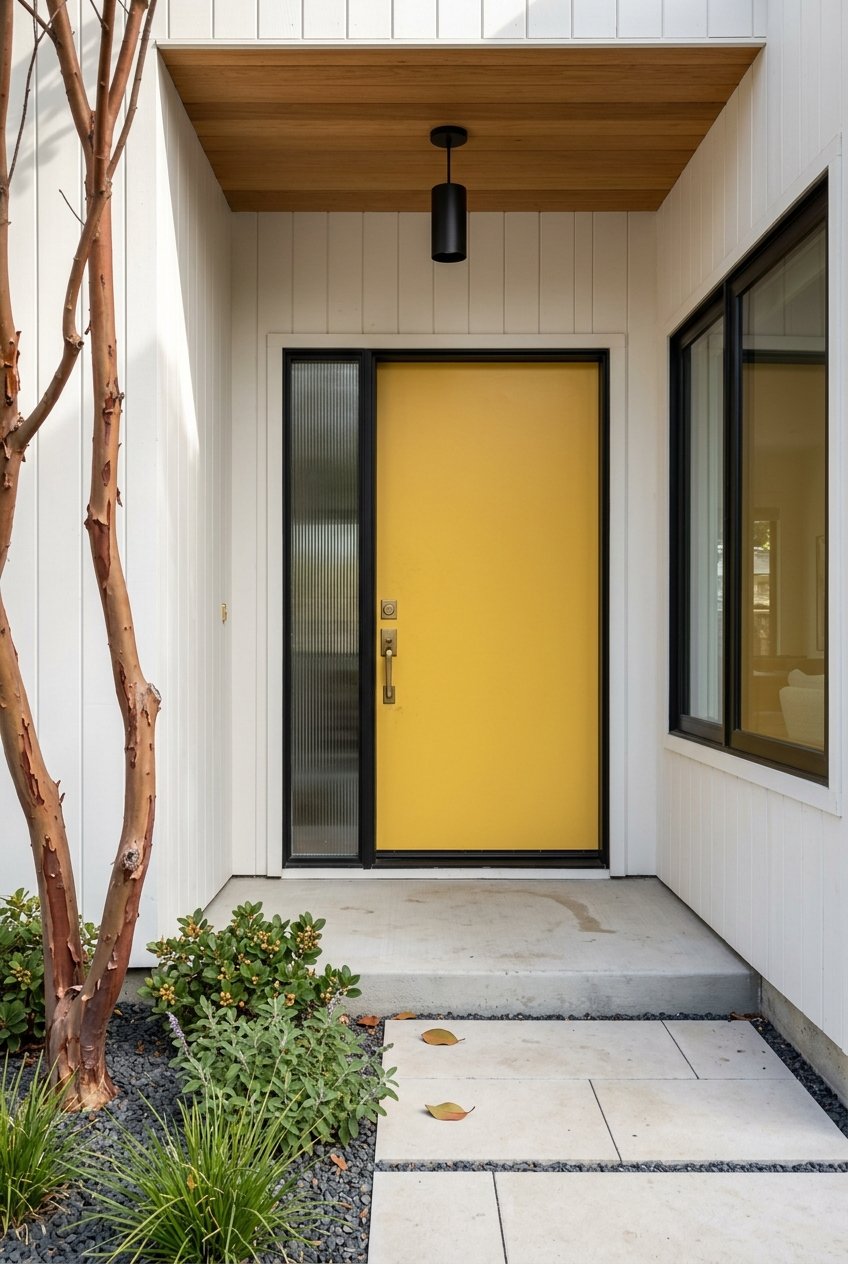
Residential exterior door and window replacements also require building permits. That matters in view homes, where owners often improve glass lines, expand openings, or rework indoor-outdoor connections to maximize outlook and light. If those upgrades were done without proper approvals, you may inherit both risk and cost.
If the property is historic or located in a historic overlay district, exterior changes can also require a Certificate of Appropriateness. Older Sausalito homes can be especially appealing, but they may come with a more layered approval path for future work.
Right-of-way issues can affect remodel plans
On steep lots, access upgrades and construction logistics often extend beyond the house itself. If a remodel touches public right-of-way, Sausalito requires an encroachment permit before building permit issuance for work such as staging, no-parking signs, utilities, or drainage tie-ins.
This may sound technical, but it can have real budget and timing implications. If you are buying a home with plans to improve parking, drainage, or access, you want to know early whether the work spills into the street, sidewalk, or public frontage.
A smart due diligence checklist
Before you move forward on a Sausalito view home, focus on the items that shape day-to-day enjoyment and long-term ownership.
Priority items for buyers
- Confirm what part of the view matters most to you and whether nearby sites could affect it
- Review parcel-specific slope, drainage, and geotechnical conditions
- Check hazard maps for landslide, flood, sea-level-rise, and wildfire exposure
- Evaluate parking, stairs, road access, and guest usability
- Review permit history for decks, windows, doors, and additions
- Ask whether any exterior work may involve public right-of-way permits
- Visit the property at different times of day to assess sun, wind, fog, and moisture
- Review insurance options early, especially for flood or debris-flow concerns
Buying with a long-term lens
A Sausalito view home can be an exceptional purchase when the beauty of the setting is matched by solid diligence. The best outcomes usually come from understanding how the property works as a site, not just how it looks from the living room. In a market like this, details around slope, access, permits, and infrastructure often matter just as much as the view itself.
If you are weighing a hillside or waterfront purchase in Southern Marin, a careful, local read on those details can save time, reduce surprises, and help you buy with more confidence. For tailored guidance on Sausalito and nearby Marin view properties, connect with Eric Schmitt.
FAQs
What should buyers know about view protection in Sausalito?
- Sausalito reviews views through its planning framework, but a view is not automatically permanent. Nearby projects, height, massing, and compatibility review can all affect how secure a view remains over time.
What should buyers check about hillside risk for a Sausalito view home?
- Buyers should review parcel-specific slope, drainage, and geotechnical conditions, along with Marin County hazard maps for landslide, flood, sea-level rise, and wildfire exposure.
What permit issues matter most for Sausalito view homes?
- Exterior changes often require planning or building permits in Sausalito, including decks, windows, doors, fences, and additions. Buyers should review permit history carefully, especially for view-oriented upgrades.
What should buyers know about decks on Sausalito homes?
- In Sausalito, decks over 18 inches above grade need planning approval first, and decks over 8 feet above grade must be engineered. Safety-glass requirements may also apply depending on the design.
What insurance questions matter when buying a Sausalito view property?
- Standard homeowners insurance typically excludes flood, mudslide, and debris flow, so buyers should review flood coverage, FAIR Plan implications if relevant, and property-specific hazard exposure early in escrow.
What access and parking concerns come with Sausalito hillside homes?
- Buyers should evaluate on-site parking, guest parking, stairs, street width, turning ease, and whether weather or lower-elevation flooding could affect daily routes to and from the property.