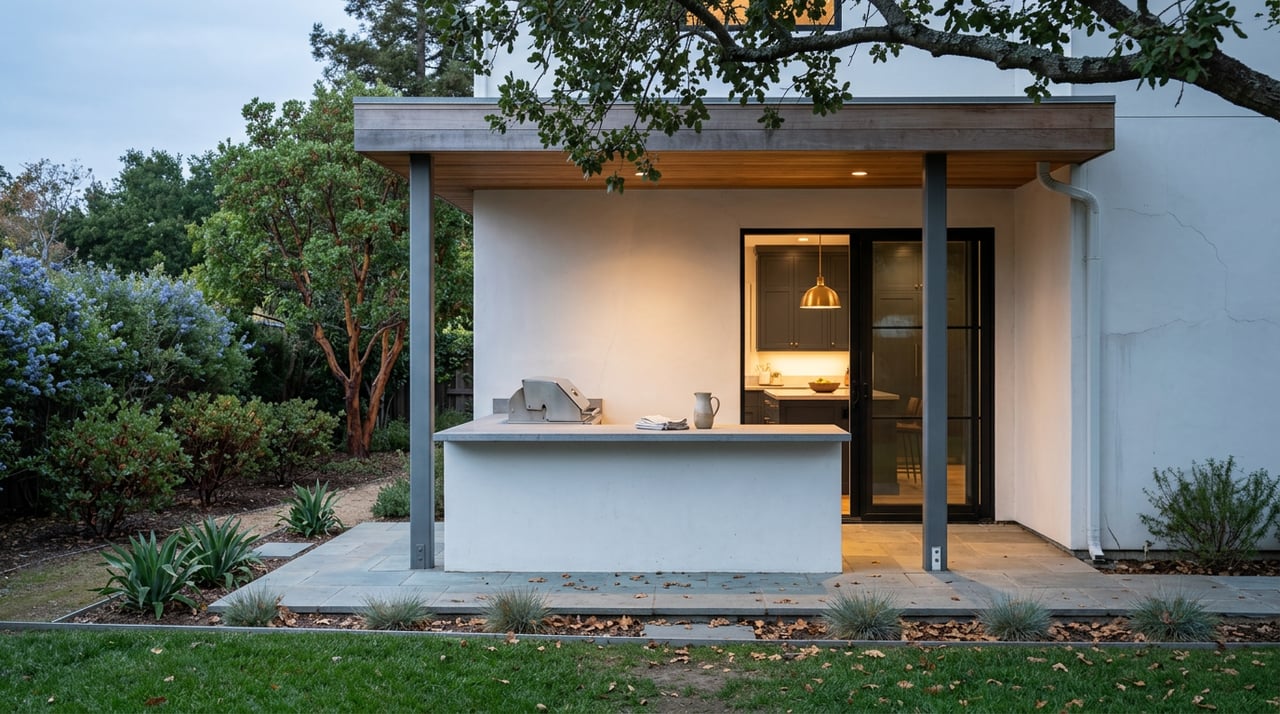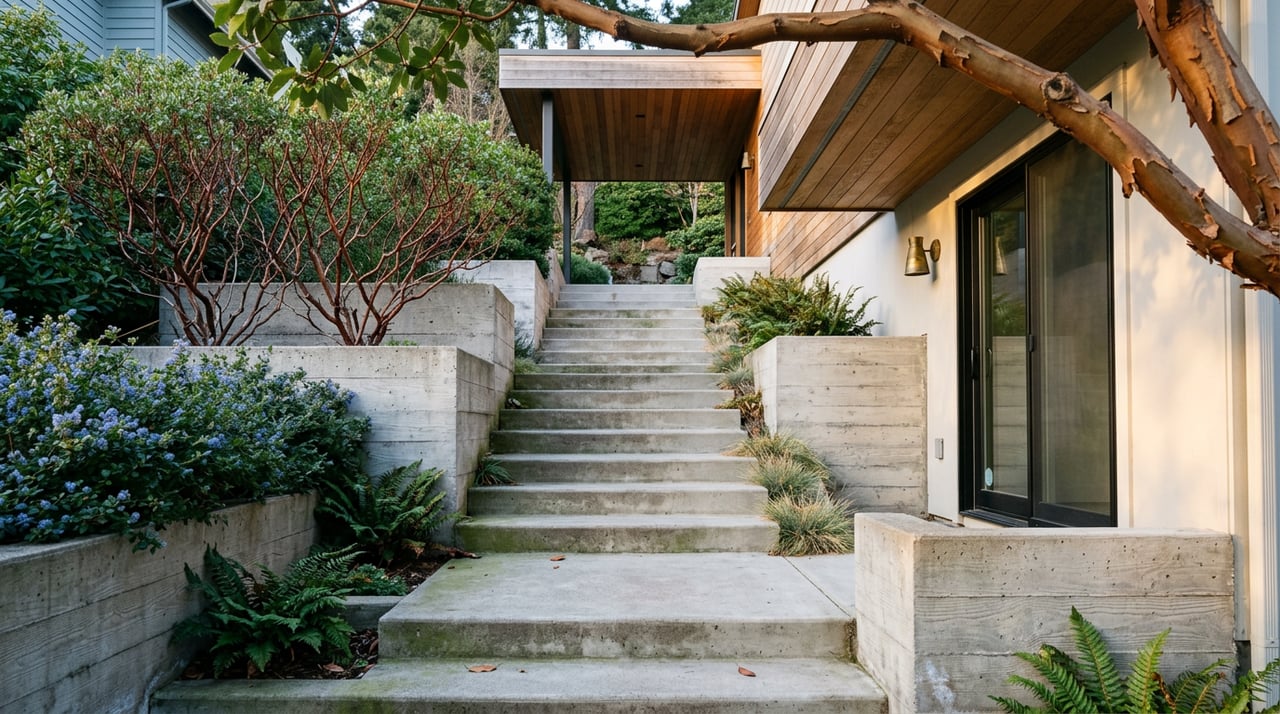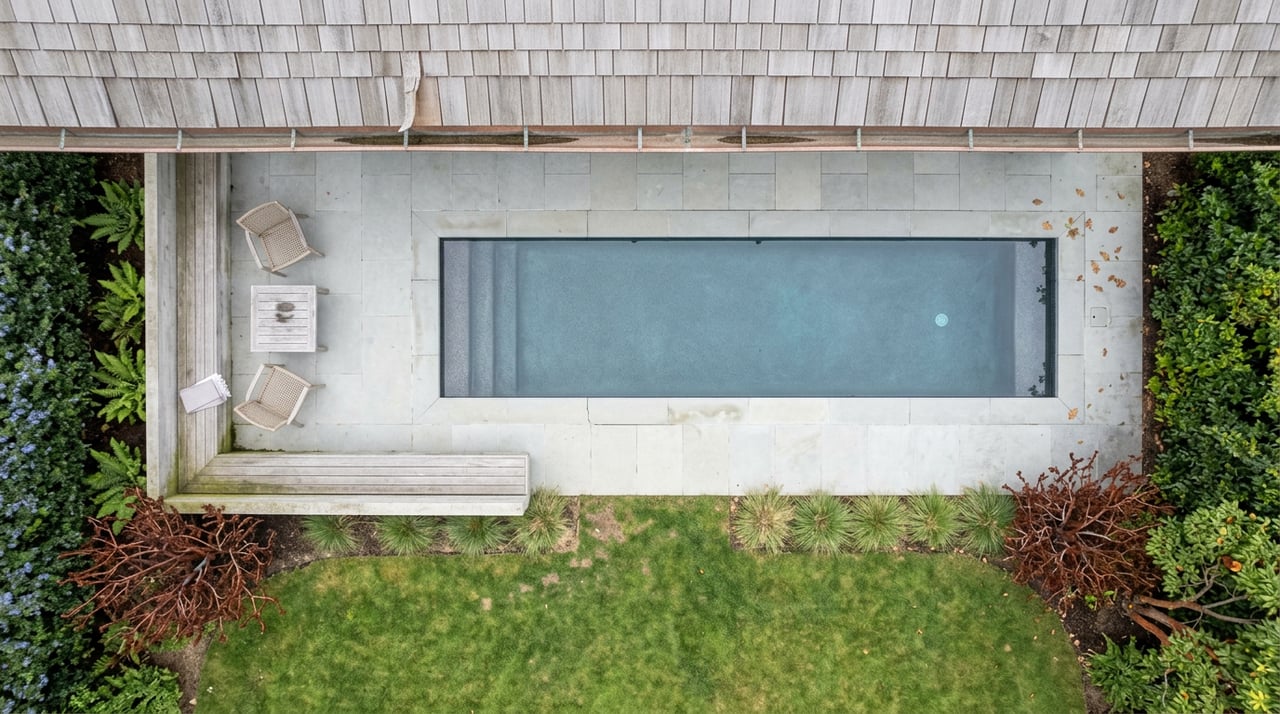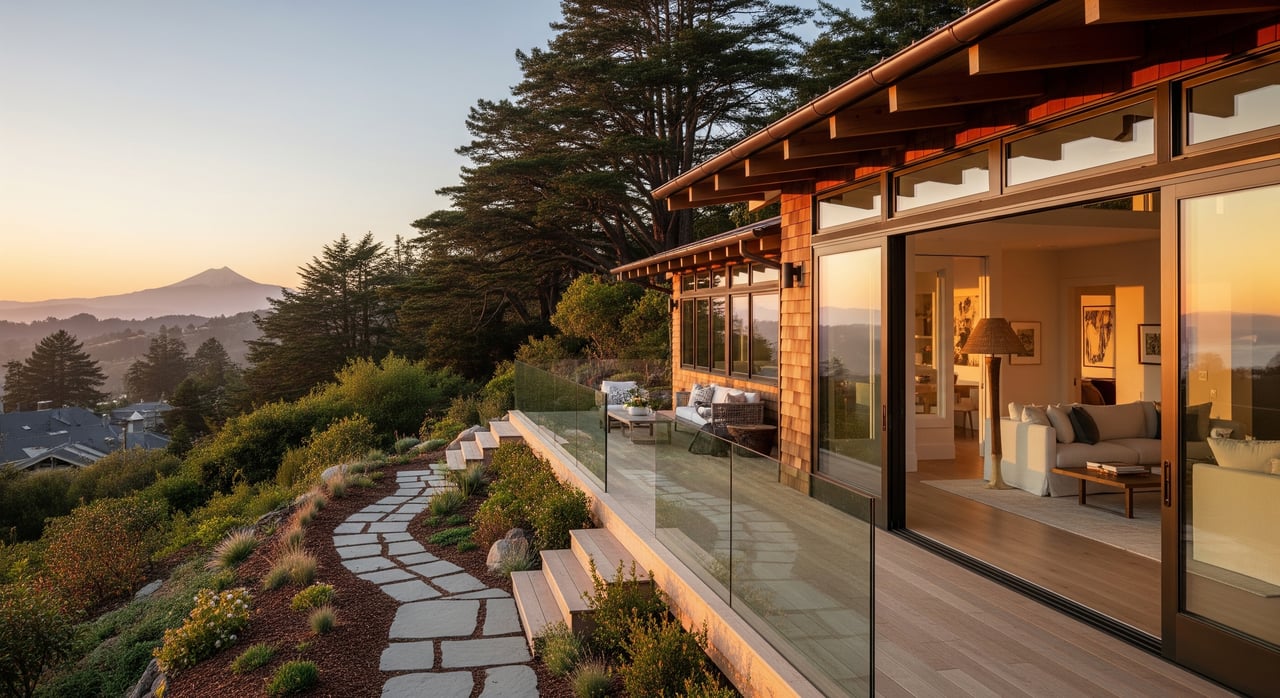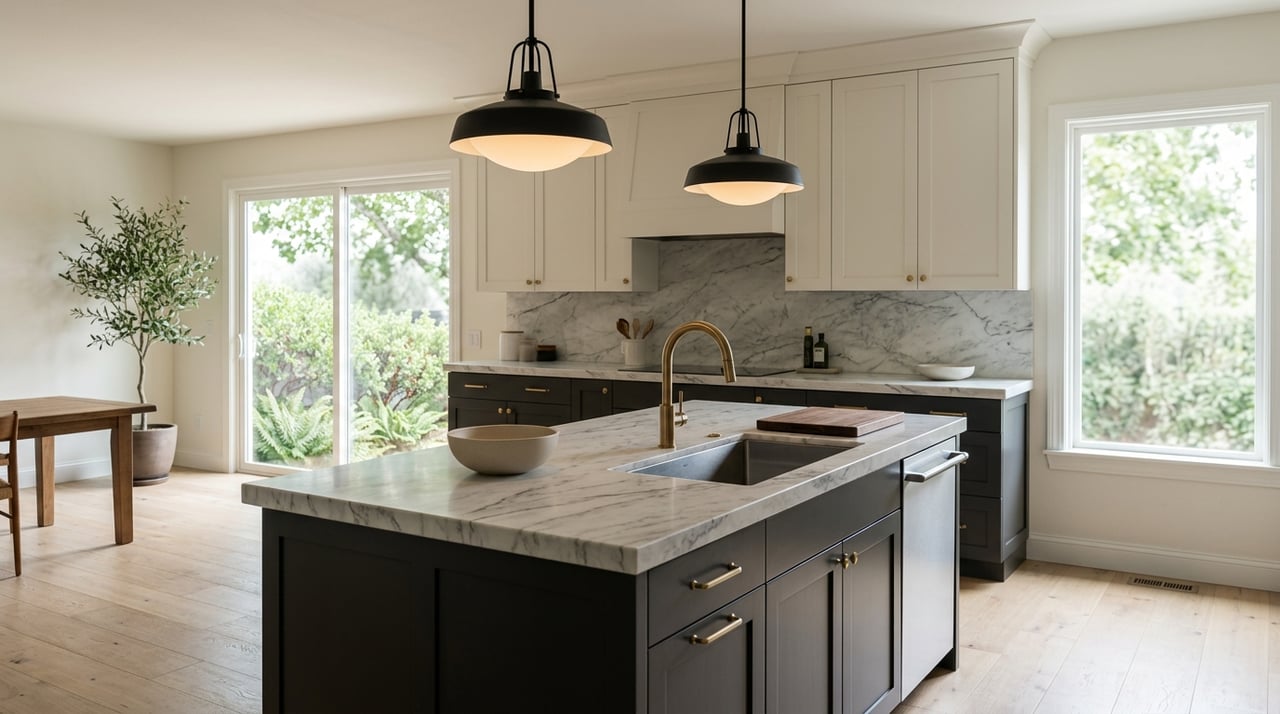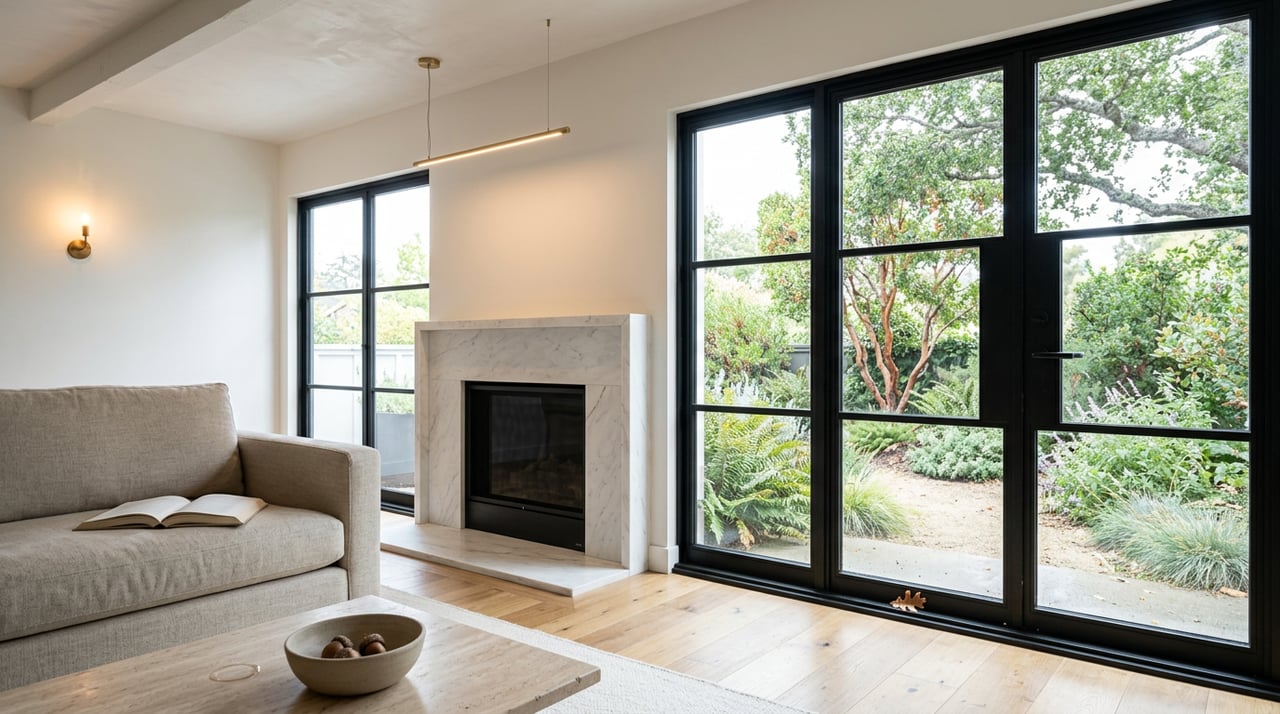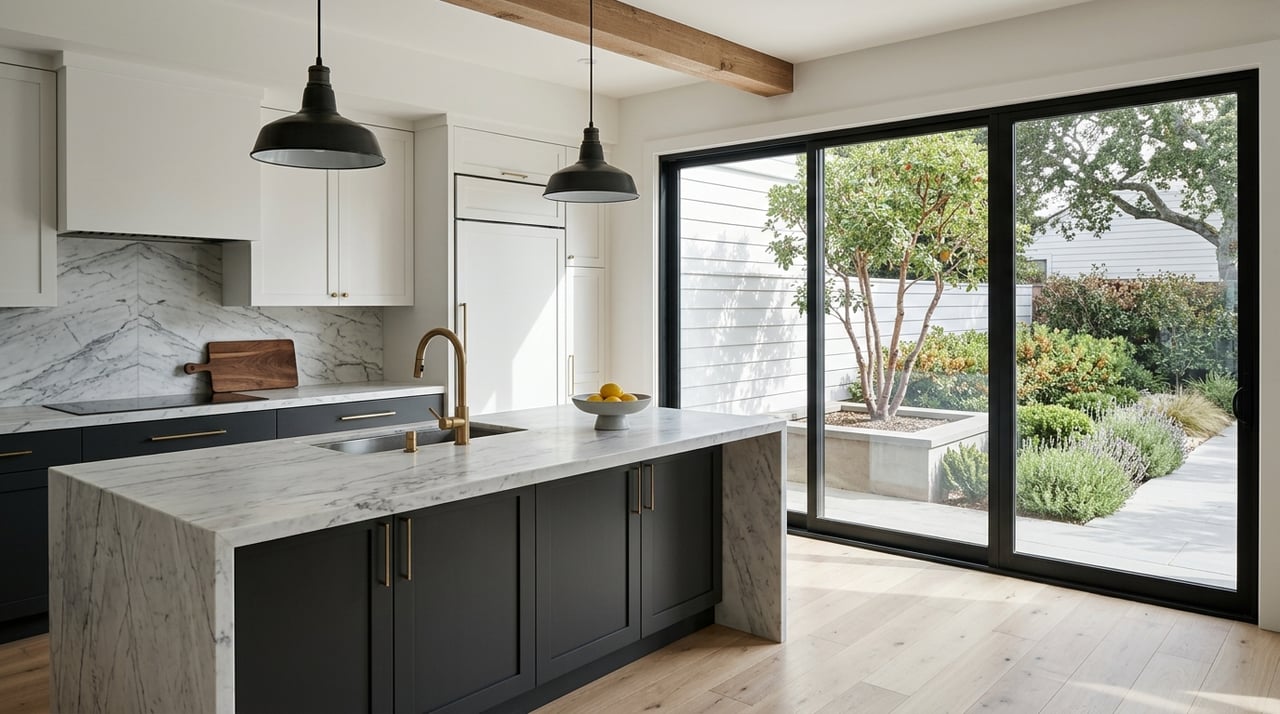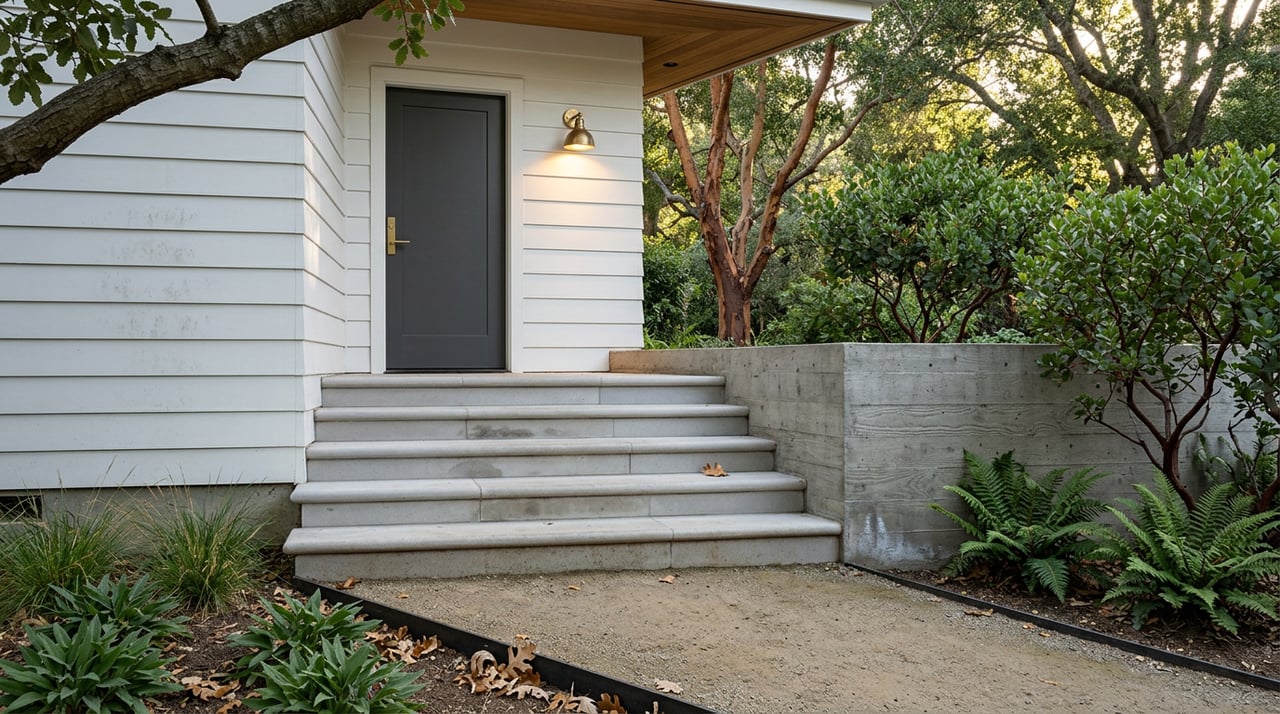
Looking for room to breathe in Ross without sacrificing privacy or time? Estate-scale parcels in 94957 offer rare space, heritage landscaping, and Central Marin convenience, but they also come with planning layers that can slow a project if you are not prepared. If you want to protect views, honor mature trees, and still create a modern estate, you need a clear roadmap. This guide covers what matters most, from privacy and wildfire rules to drainage, soils, utilities, approvals, and due diligence so you can move forward with confidence. Let’s dive in.
Why Ross attracts estate buyers
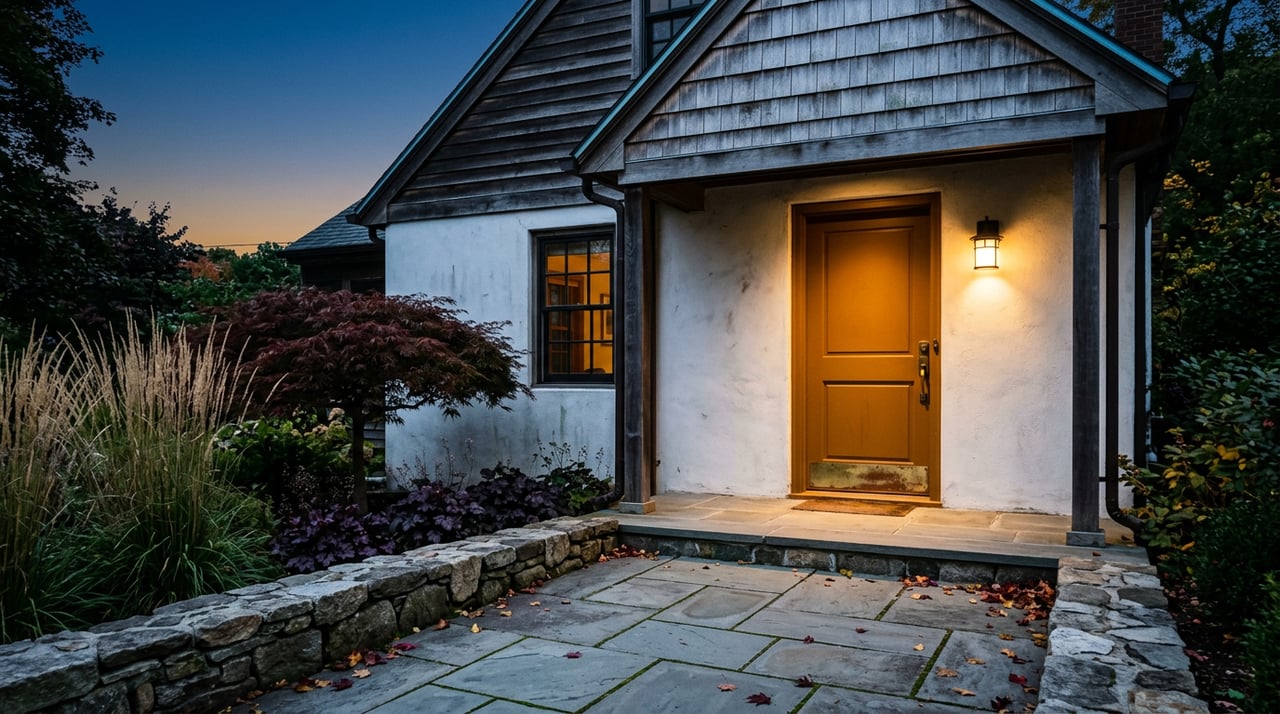
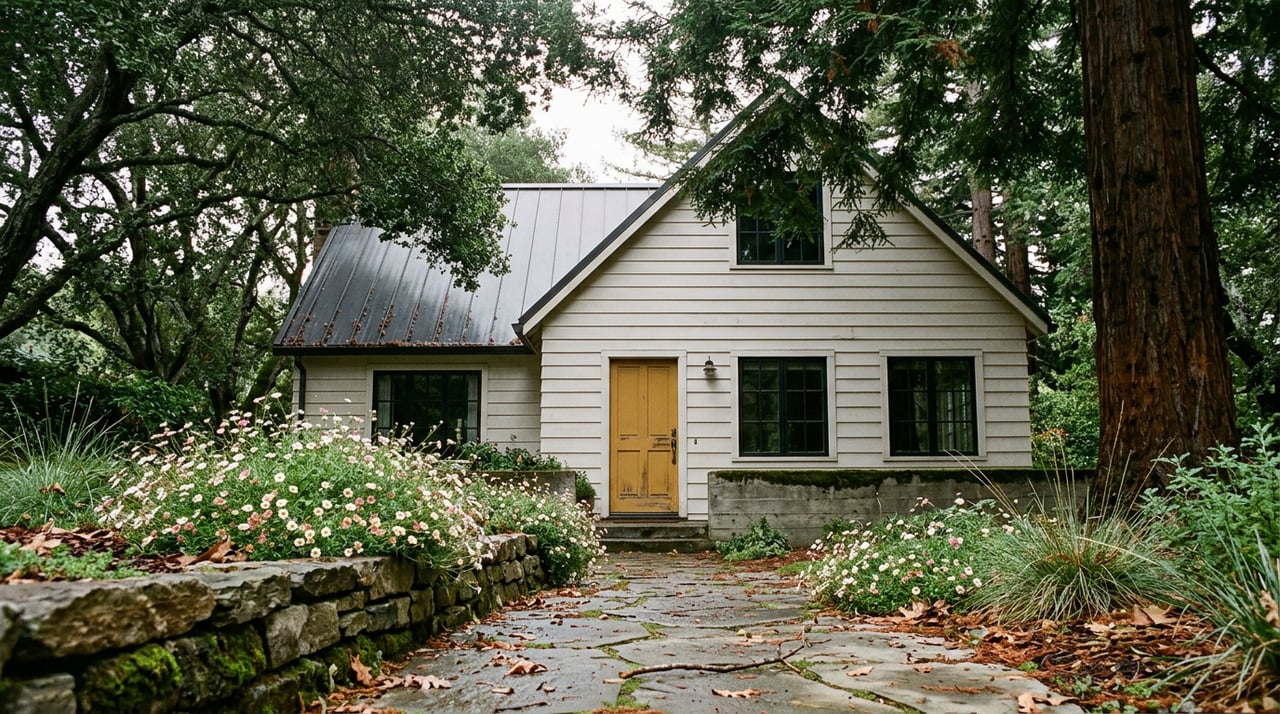
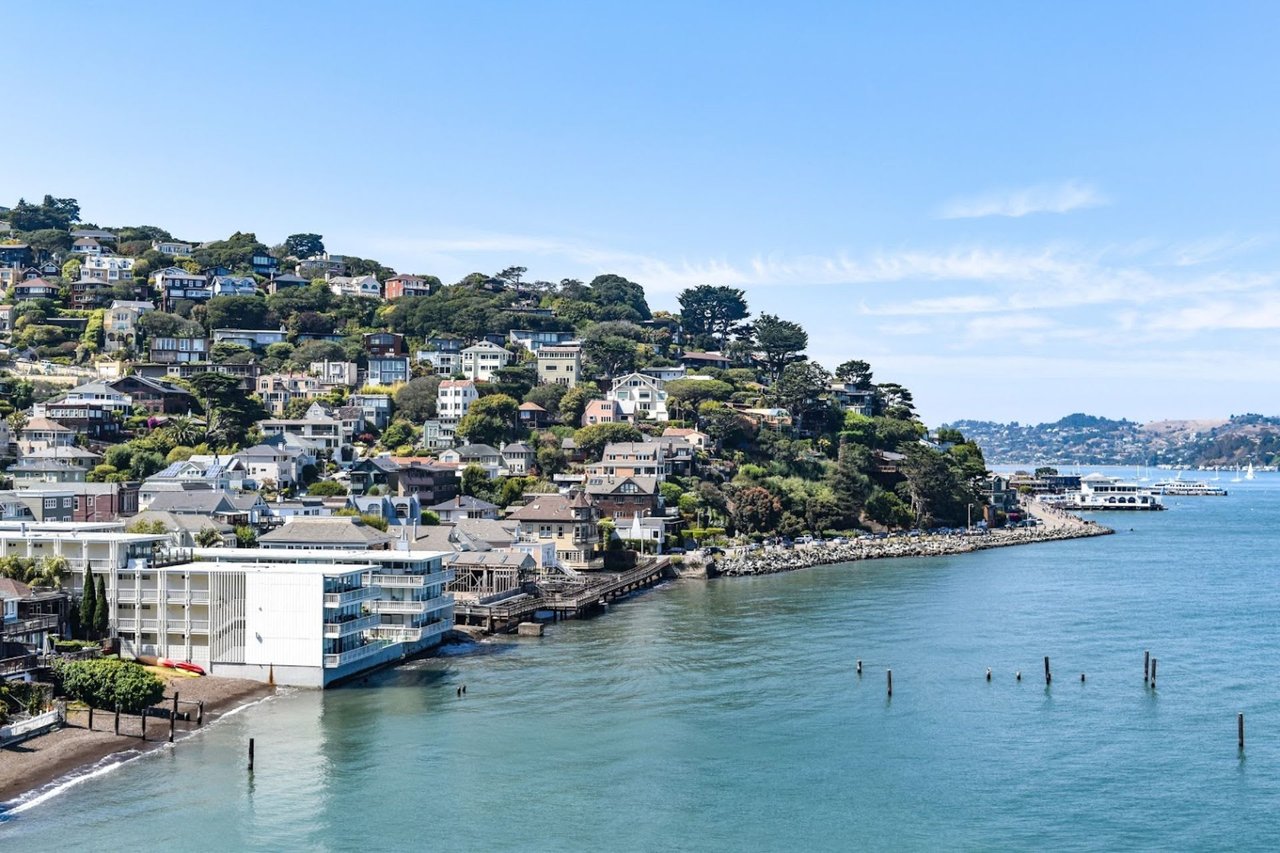
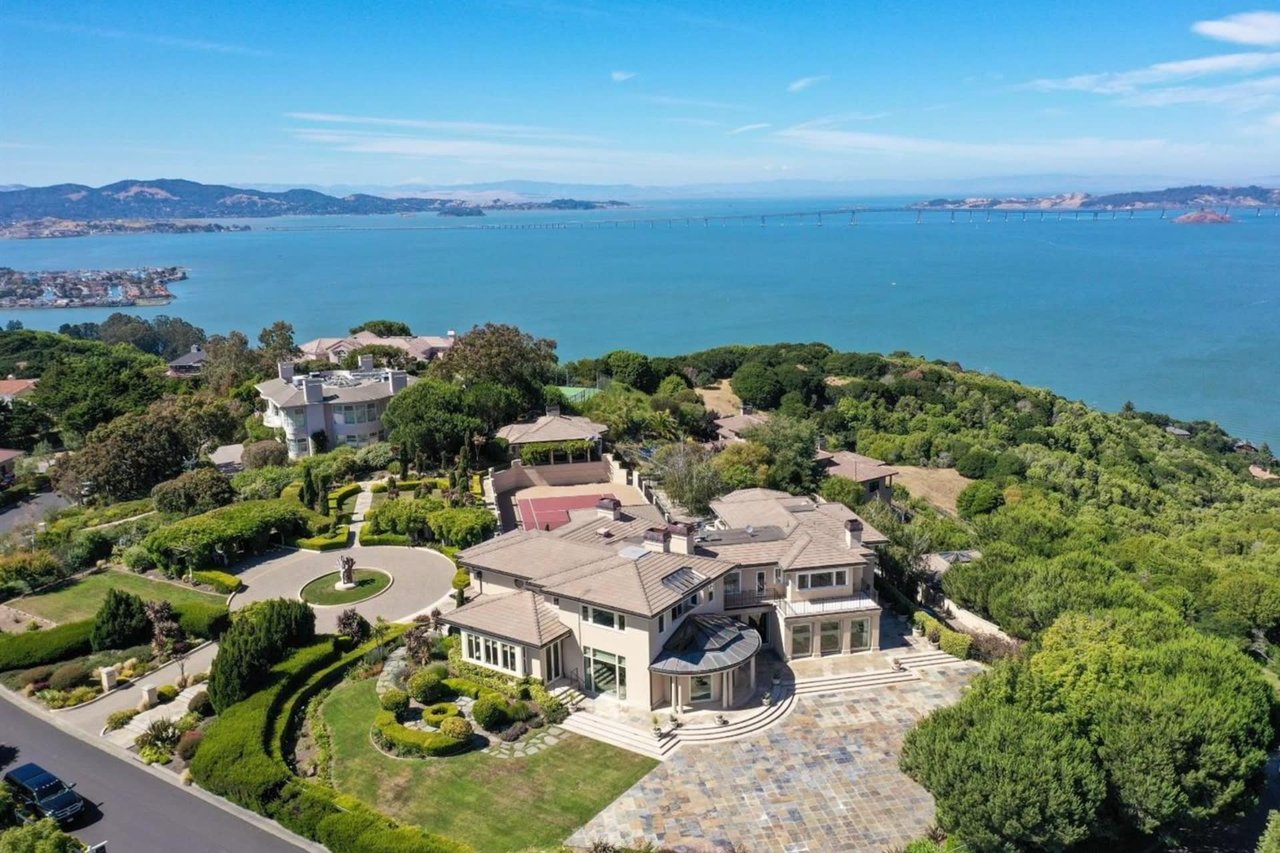
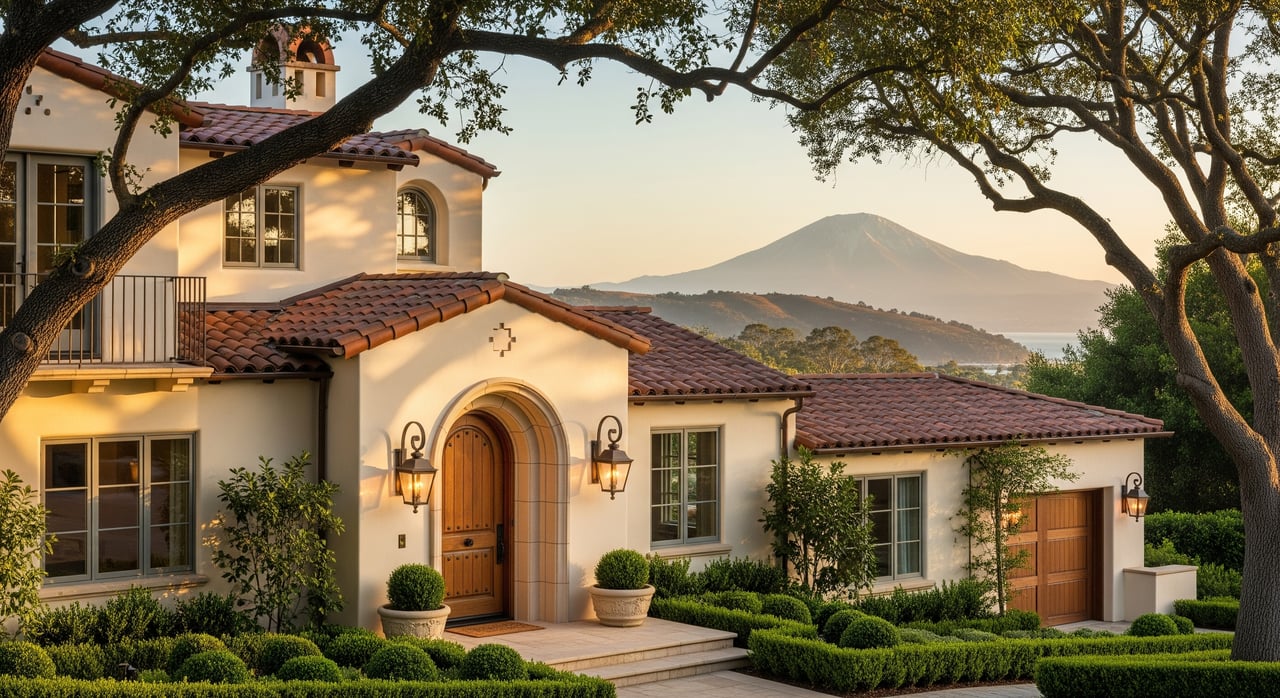
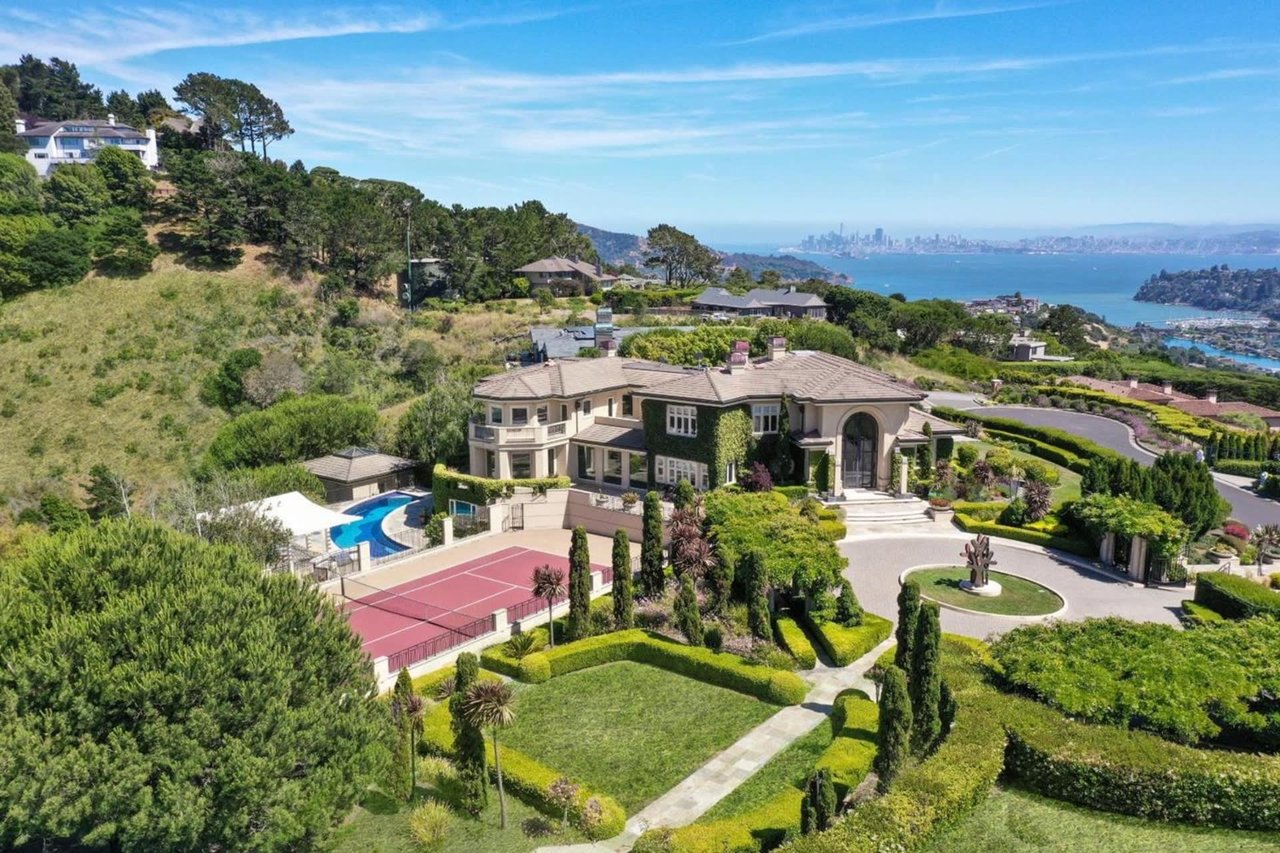
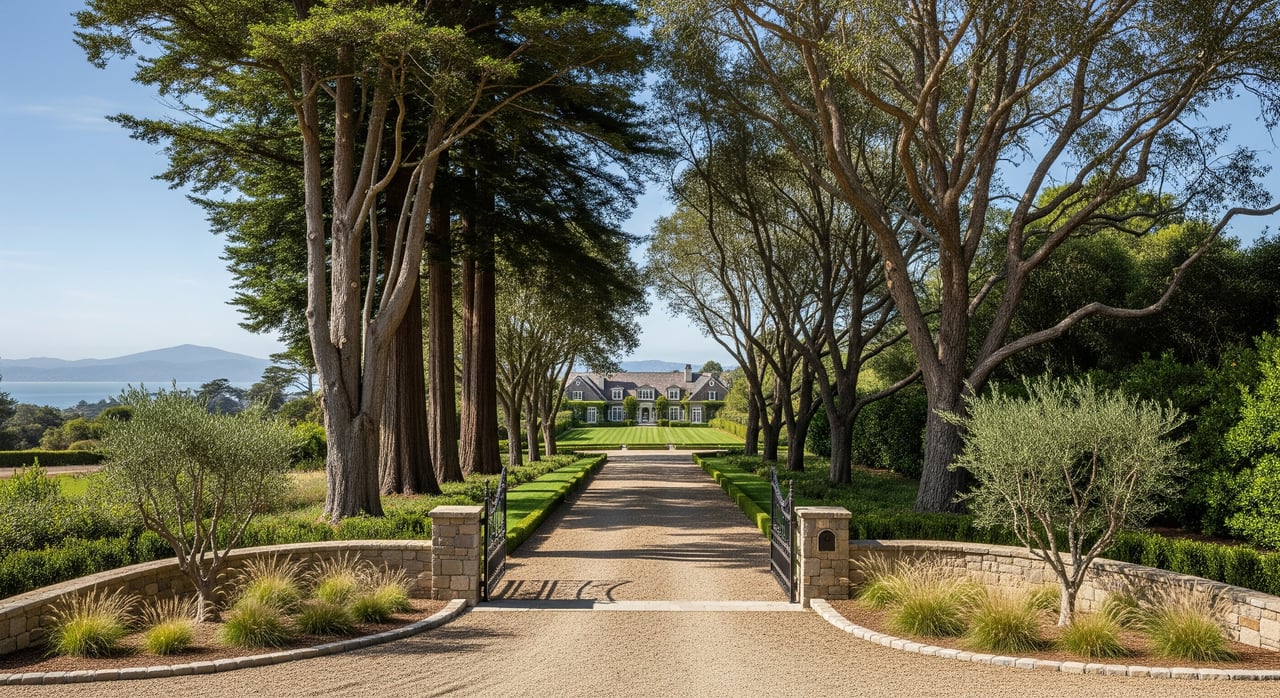
Ross is a small, residential town with a long tradition of large lots and mature landscapes. Many properties include heritage trees, creeks, and hillside features that shape what you can build and where. Local planning emphasizes design review, neighborhood fit, and environmental protection rather than quick, by-right approvals. If you value privacy and natural beauty, this culture helps preserve the qualities you are buying.
Privacy, trees, and wildfire safety
Privacy is often created with hedges, tall trees, and layered landscaping. In Ross, you balance that privacy with fire-safe design, especially near structures.
Balance privacy with defensible space
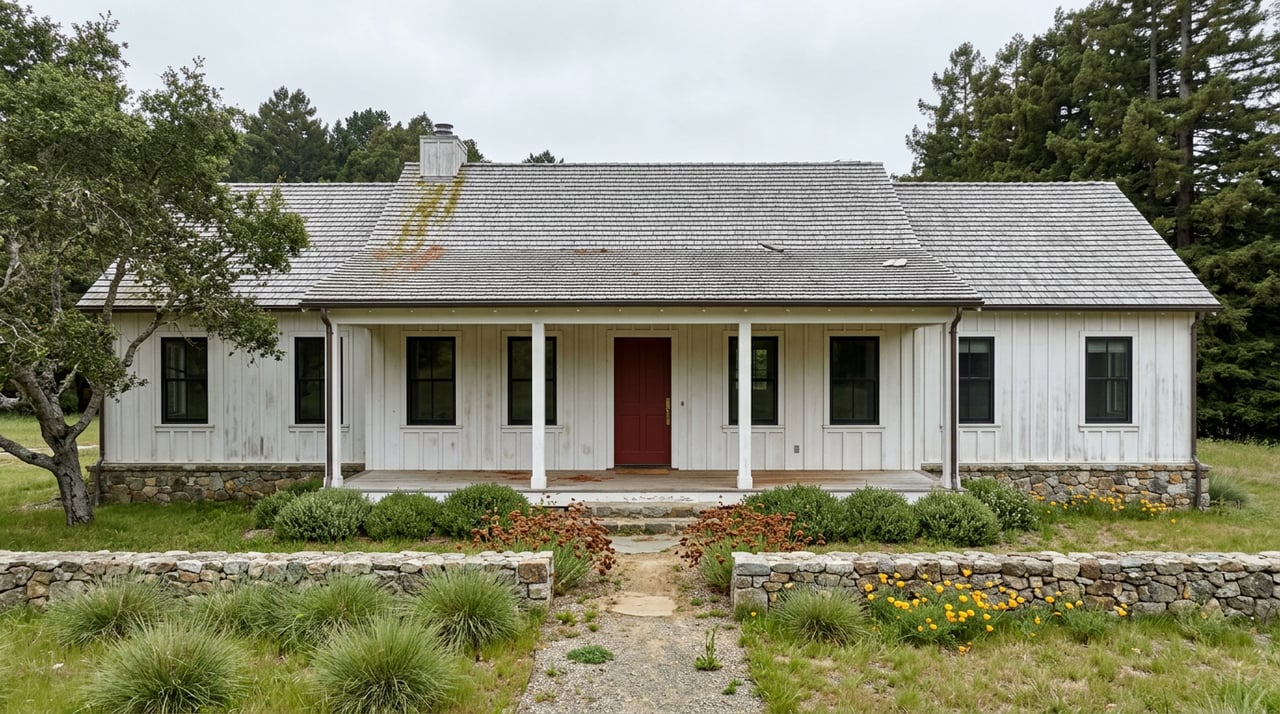
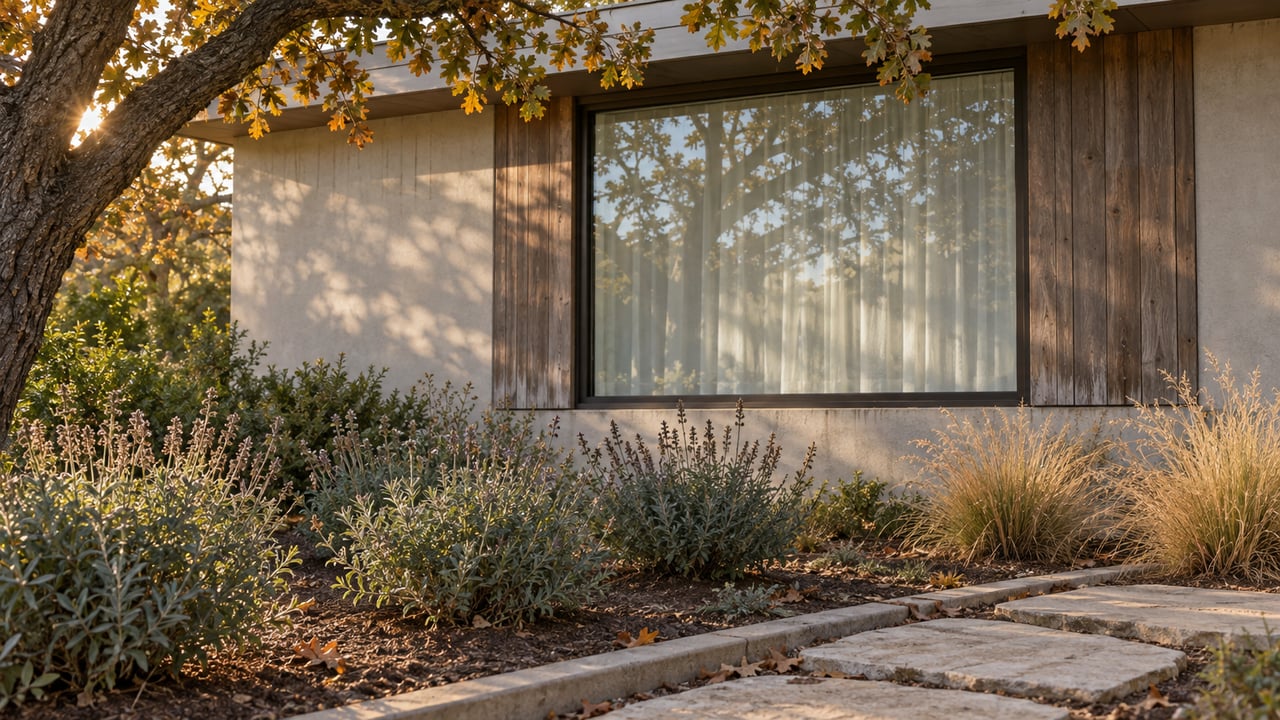
Dense hedges and ladder fuels can conflict with defensible-space rules. Expect inspection programs and vegetation management standards that require thinning or removal within set distances of buildings. A practical approach is layered planting: low-fuel sight screens, irrigated lawns, stone berms, and setbacks that maintain privacy while reducing risk.
Protected and heritage trees
Many estate parcels include mature oaks, redwoods, and specimen trees that may be regulated. Removing or heavily pruning significant trees typically requires permits and an arborist report, and mitigation is common. To avoid surprises, request any prior tree permits or landscape plans and commission a tree inventory early in due diligence.
Orientation and microclimate
Central Marin’s microclimates change quickly across short distances. Sun, wind, and shade vary with slope and tree cover, and this affects everyday living.
Sun, views, and wind
Orient primary living spaces toward southern and western exposures for natural light while preserving key views. Ridgelines and exposed slopes can be windier, which matters for outdoor rooms and pool locations. A topographic survey and a sun and shade study during feasibility help you optimize siting before you commit to a design.
Solar potential
Rooftop solar can be excellent in Ross when tree cover and placement cooperate. Shade from heritage trees may limit production, so assess solar at equinox and solstice times if panels are important. Early modeling informs roof forms and helps you avoid later design changes.
Water, drainage, and flood risk
Creeks and low-lying areas are prized features, but they bring setbacks, floodplain rules, and stormwater standards.
Creek setbacks and floodplains
If a parcel includes a creek or wetland, expect riparian buffers that narrow the buildable envelope. Floodplain mapping and local definitions may add elevation, design, or siting requirements. Pull flood information and confirm any creek corridor protections before you rely on a preliminary building footprint.
Stormwater requirements
Large new footprints typically trigger post-construction stormwater controls. Detention or retention, treatment, and controlled discharge are common conditions. A drainage study early in feasibility helps you size infrastructure and understand how grading will affect the site and neighboring properties.
Soils, slopes, and buildability
Varied soils and shallow bedrock are common on larger Marin parcels. Geotechnical findings often shape the building envelope, foundation type, and sitework costs.
Geotech drives layout
Budget for a geotechnical report and preliminary borings ahead of close. Steeper slopes or expansive soils can mean deeper foundations, more retaining walls, or grading limits. Early data helps you decide whether a planned program is realistic.
Utilities and infrastructure
Utility status can be the difference between a smooth build and a long delay. Confirm service early and document capacity in writing.
Water and sewer
Find out if the property connects to municipal water and sewer or relies on a private well or septic system. Large estates may require meter upgrades, sewer capacity confirmation, or on-site wastewater improvements. Request availability letters and check for any recorded easements that affect access or utility routing.
Power and connectivity
Expansive landscaping, pools, gates, and guest structures increase electrical demand. Service upgrades or undergrounding may require separate approvals. Plan for conduit routes and panel capacity so you do not open finished hardscape later.
Permits, approvals, and timeline
Estate projects in Ross usually include discretionary review. That means time, documentation, and public noticing. A realistic schedule keeps expectations grounded.
Typical steps
- Pre-application meeting with planning staff to flag constraints and likely triggers.
- Full design package: site plan, grading, landscape, arborist, geotechnical, and hydrology.
- Discretionary review for design, tree removal, grading thresholds, and variances if needed.
- Environmental review when a project may have significant impacts.
- Building permit review with structural, energy, and stormwater compliance.
What can trigger discretion
Significant tree removal, larger new structures, grading over thresholds, work near creeks or wetlands, or changes that affect neighborhood character. Sites with steep slopes may require additional studies.
How long it can take
- Feasibility and pre-application: several weeks to a few months.
- Design and entitlements: often 6 to 18 months. Complex cases can run 24 months or more.
- Building permits and construction: permit issuance takes months after approvals. Full estate delivery often spans many months to more than a year once construction begins.
Public input is meaningful in Ross. Expect to negotiate mitigation like tree replacement, landscape buffers, or lighting limits during design review. Early engagement with staff and neighbors reduces surprises and redesigns.
Buyer due diligence checklist
Strengthen your offer and protect your plan with documentation and expert input.
Documents to request or commission
- ALTA or boundary survey and a current topographic survey.
- Preliminary title report with easements, access, and encumbrances.
- Existing site plans, landscape plans, tree inventories, and any prior approvals or permits.
- Arborist report and tree data, or a budget to commission one.
- Geotechnical or soils report, or a budget to commission testing.
- Water and sewer availability letters; if on well or septic, obtain records and inspections.
- Utility service capacity and meter information for water, sewer, and power.
- Records of drainage or flooding incidents from disclosures or local knowledge.
- Any CC&Rs, HOA or historic covenants that may affect improvements.
- Proof of final sign-off on previous permits.
Consultants to engage early
- Certified arborist for tree protection and removal feasibility.
- Geotechnical engineer for foundations, slopes, and retaining walls.
- Civil engineer for grading and stormwater solutions.
- Planning or land use consultant for discretionary pathways and CEQA screening.
- Fire-safety consultant or local fire authority contact for defensible space.
- Licensed surveyor to confirm boundaries and potential building envelopes.
Smart contingency language
Include entitlement feasibility, tree removal permits, geotechnical feasibility, utility capacity, and potential environmental review triggers. Provide a clear right to cancel or renegotiate if key approvals are not achievable within agreed timelines.
Strategy and next steps
If you love a parcel, do quick reconnaissance before making the offer. Talk to planning staff about likely triggers, pull flood and wildfire maps, and confirm utility status. Bring in an arborist and a geotechnical engineer for a site walk if timing allows. Then write contingencies that match what you learned.
During design, protect what makes Ross special while solving for your goals. Preserve specimen trees where possible, align outdoor living with sun and wind patterns, and use low-fuel plant palettes to maintain privacy without increasing risk. Expect a collaborative public process and plan budget and time for studies and revisions. The right preparation keeps momentum and protects value.
Work with a local advisor
Estate-scale opportunities in Ross are scarce, and the best outcomes come from early planning, local relationships, and disciplined negotiation. If you are evaluating a larger parcel or preparing to sell one, let a local-native advisor help you align vision, budget, and approvals while accessing on and off-market options. Connect with Eric Schmitt to discuss your plans in confidence.
FAQs
Can I remove large trees on a Ross estate parcel?
- Possibly. Expect permits, an arborist report, and mitigation such as replacement planting or fees. Significant removals can trigger discretionary review.
How long do permits take for a new estate home in Ross?
- Many months to more than a year for entitlements, depending on scope. Full delivery including construction often spans multiple years.
Will privacy hedges conflict with wildfire rules near my home?
- They can. Dense hedges and unthinned canopies near structures may violate defensible-space standards. Use low-fuel privacy strategies and confirm with local fire authorities.
How do I verify water and sewer capacity for a large project?
- Request water and sewer availability letters from the service providers early. For well or septic, obtain records, inspections, and any permits or test results.
Will my project require CEQA review in Ross?
- Only if the project is discretionary and may cause significant environmental impacts. Some projects qualify for exemptions, but larger grading or riparian work can require study.
What landscape choices protect views and neighborhood character?
- Preserve key specimen trees, use native and low-fuel plant palettes, and design sightlines that respect neighbor views while creating privacy.