Imagine stepping out your front door and into a world of towering redwoods, cool canyon air, and trailheads that start at the end of the lane. If you are weighing a move to Mill Valley, you may be wondering what daily life really feels like in the redwood canyons. In this guide, you will learn how the microclimate works, where the best everyday trails connect, what commutes look like, and the tradeoffs to expect with homes and maintenance. Let’s dive in.
Where the redwood canyons are
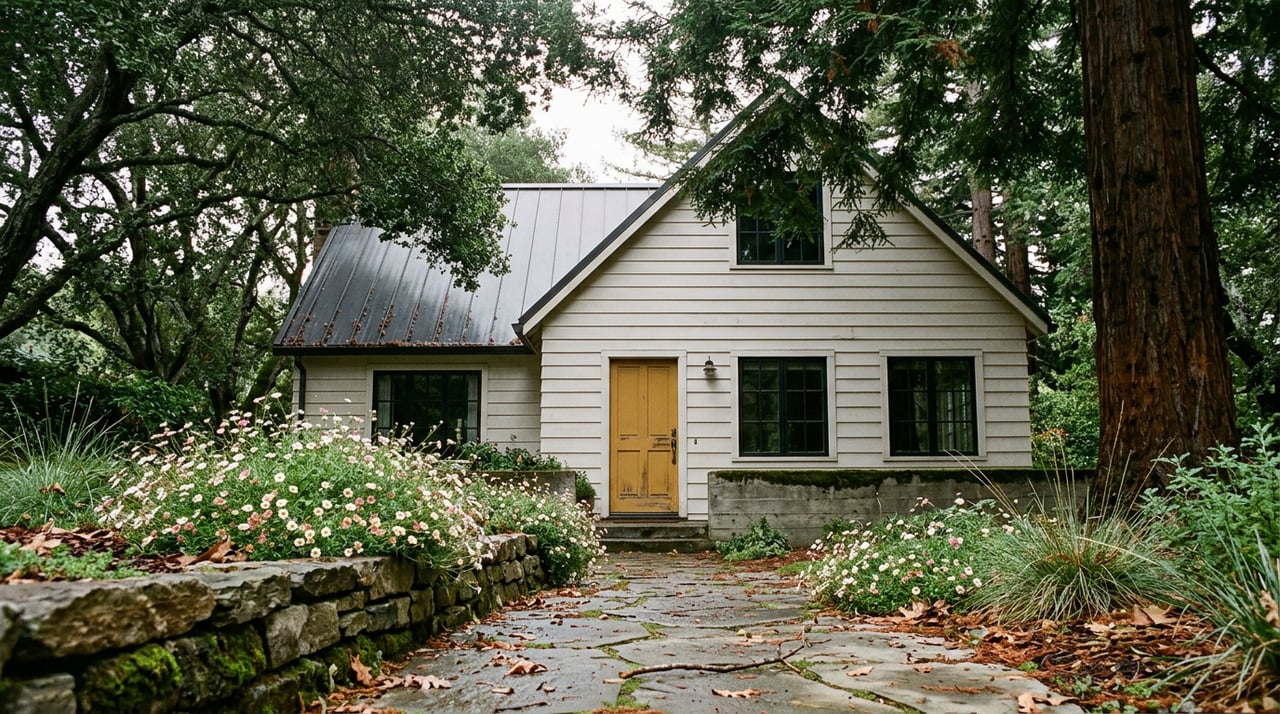
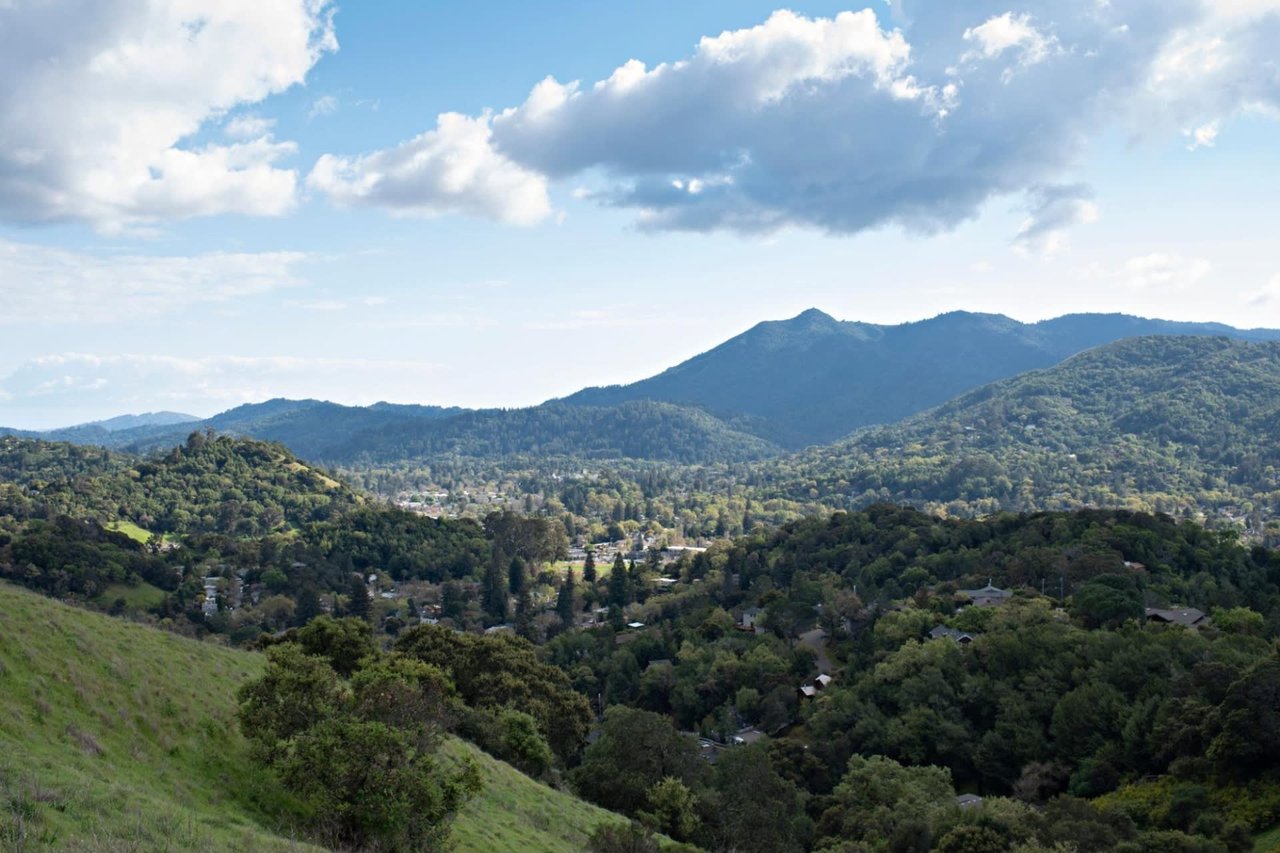
Mill Valley’s canyon neighborhoods sit along the western and northwestern flanks of Mount Tamalpais. You are minutes from downtown, yet the dense canopy, layered ridgelines, and winding streets create a hushed, woodsy feel. The landscape is shaped by coast redwoods, seasonal creeks, and steep slopes that open to protected parklands.
The nearby redwood groves of Muir Woods and Mount Tamalpais State Park anchor the ecosystem and the lifestyle. You get a remote feeling without giving up town access, which is a key reason many buyers target this pocket of Southern Marin. Muir Woods National Monument offers great context for the area’s redwood ecology and trail networks.
Microclimates you will feel
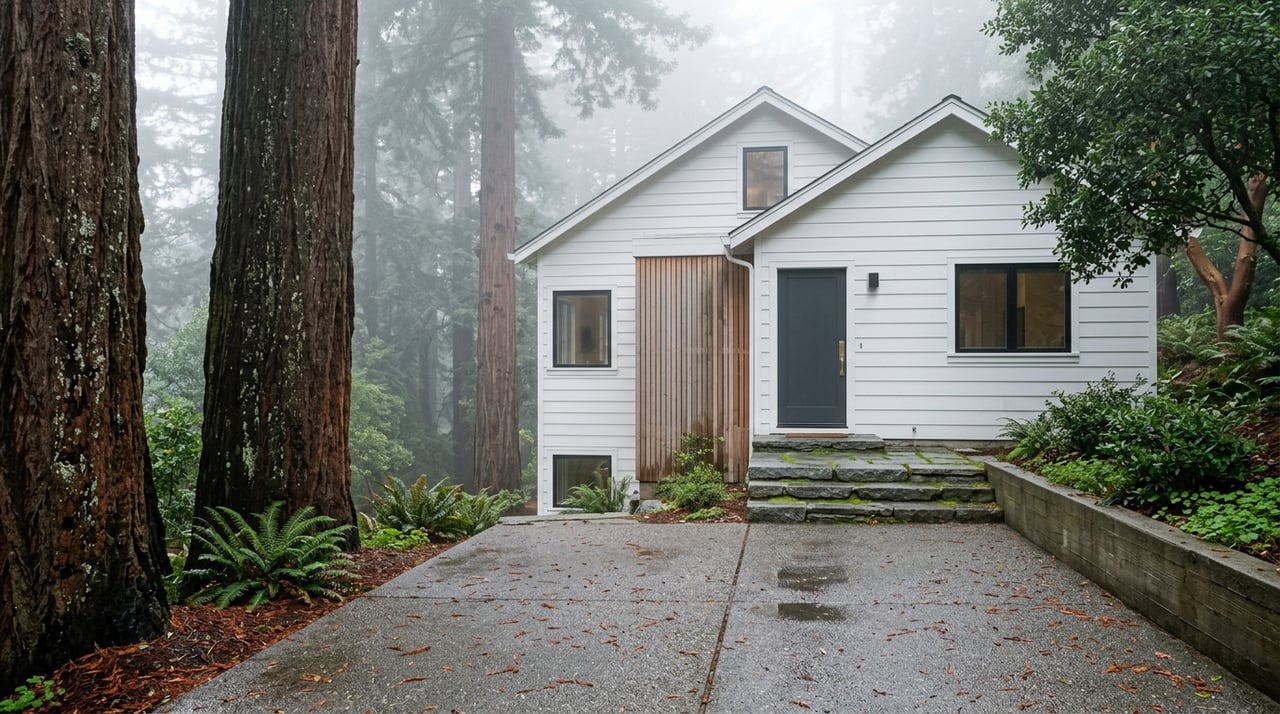
Coast redwoods thrive on cool marine air, winter rain, and summer fog drip, which explains why canyon floors stay greener and moister than sun-exposed ridges. You will notice shaded patios, moss on steps, and a fresh, damp quality to the air on many mornings. West-facing slopes and creek-adjacent lots tend to be cooler and darker, while south and east ridges clear early and run warmer in summer.
Within Mill Valley, microclimates shift block by block. A ridge home might enjoy long sun windows and breezier afternoons, while a home tucked under tall trees will lean cool and shaded. For any serious candidate, plan site visits at different times of day and in different seasons to judge light, temperature, and drainage in real life.
Everyday outdoor access
Living here puts hiking, running, and biking within easy reach. The Dipsea, Matt Davis, and Bootjack trails connect to an extensive network that many residents use for weekday training and weekend adventures. For a deeper overview of the regional network and trail etiquette, start with Muir Woods’ visitor information.
Inside town, Old Mill Park and the short walk to Cascade Falls deliver the redwood experience on a smaller, family-friendly scale. The Old Railroad Grade and the town’s stairs and lanes stitch neighborhoods to longer routes without driving. If you are new to Mill Valley, this local visitor guide to Mill Valley highlights Old Mill Park, Cascade Falls, and in-town outings.
Practical notes help. The Muir Woods main loop is a boardwalk-style path that suits a range of abilities, and some popular trailheads have limited parking or require reservations on busy days. Weekends can be crowded, so plan early or go midweek when possible.
Getting around and commutes
Driving to San Francisco varies by the hour and by event. Off-peak, many Mill Valley to central city trips run 20 to 35 minutes. Peak periods, bridge work, or fog can extend that significantly, so test-drive your exact route from a specific address before you commit.
If you prefer transit, Golden Gate Transit runs commuter service from Mill Valley into the city. The agency has piloted and updated Mill Valley commute routes in recent years, so always confirm current times on Golden Gate Transit’s service updates.
Many residents use the Larkspur or Sausalito ferries. The Larkspur–San Francisco crossing is typically around 35 minutes, and there are timed connections with SMART rail at Larkspur. Parking can fill early on weekdays, so a dry run helps. Get details on schedules, parking, and policies from Golden Gate Ferry’s general information.
Local connectors from Marin Transit and Golden Gate Transit cover key corridors, but frequency is lower than in a dense city. Plan your first and last mile with a bike, drop-off, or parking strategy. For system overviews, you can reference the Golden Gate Transit network summary.
Neighborhood snapshots and tradeoffs
Blithedale Canyon
A classic canyon setting with deep woods, seasonal creeks, and a mix of renovated cottages and hillside contemporaries. You get immediate trail access and strong privacy. Expect narrow streets, steep grades, and a mindset for wildfire readiness.
- Pros: Trail access at your door, quiet setting, privacy.
- Considerations: Steep or narrow roads, variable sun exposure, longer errand times at peak hours.
Cascade Canyon and Middle Ridge
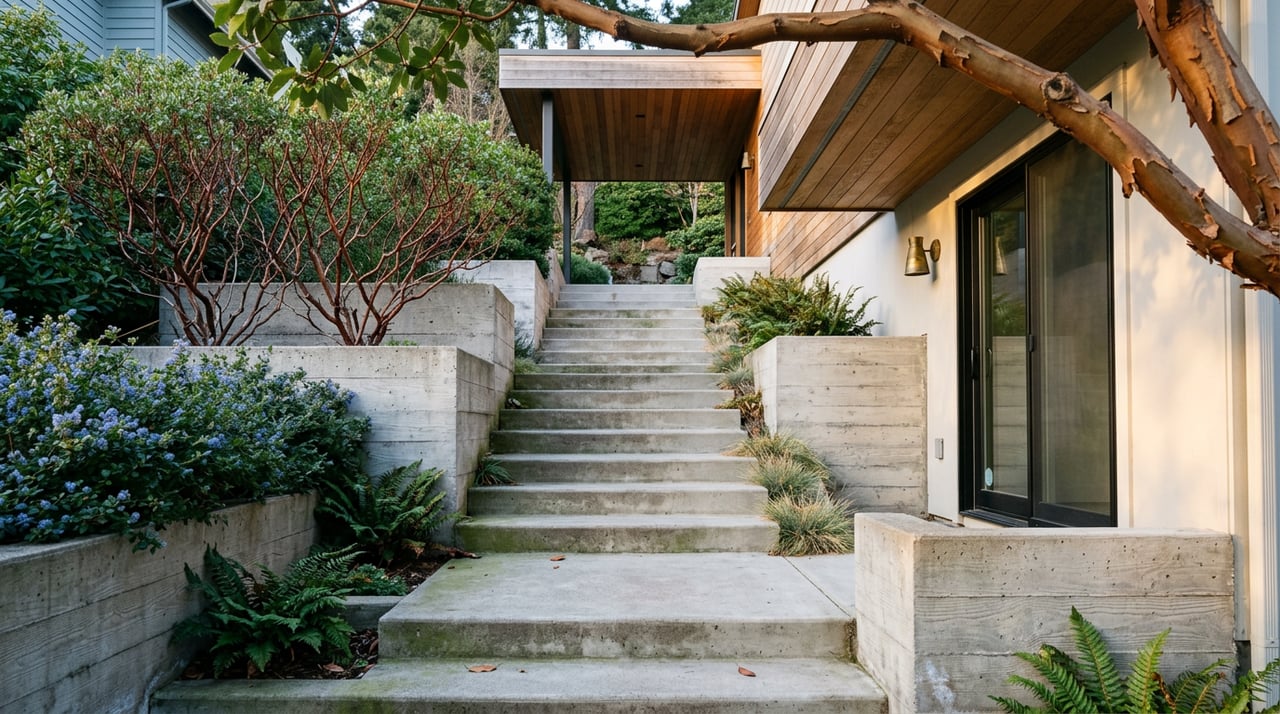
Redwood-rimmed lots connect downhill via stairs and lanes to Old Mill Park and Dipsea trailheads. Homes span midcentury cottages to custom rebuilds that open to views and light. Steps and steep driveways are part of the daily routine.
- Pros: Quick access to iconic trails, town proximity, established tree canopy.
- Considerations: Topography adds stairs and slope logistics, limited on-street parking in some pockets.
Homestead Valley
Semi-rural character with some larger parcels and direct proximity to Mount Tam open space. Community life centers on institutions like the Homestead Valley Community Center. Many buyers value the blend of yard space and trail access.
- Pros: Bigger-feeling lots in places, community amenities, open-space adjacency.
- Considerations: Similar canyon maintenance profile, select streets with steeper access.
Tamalpais Valley, Strawberry, and Scott Valley (contrast)
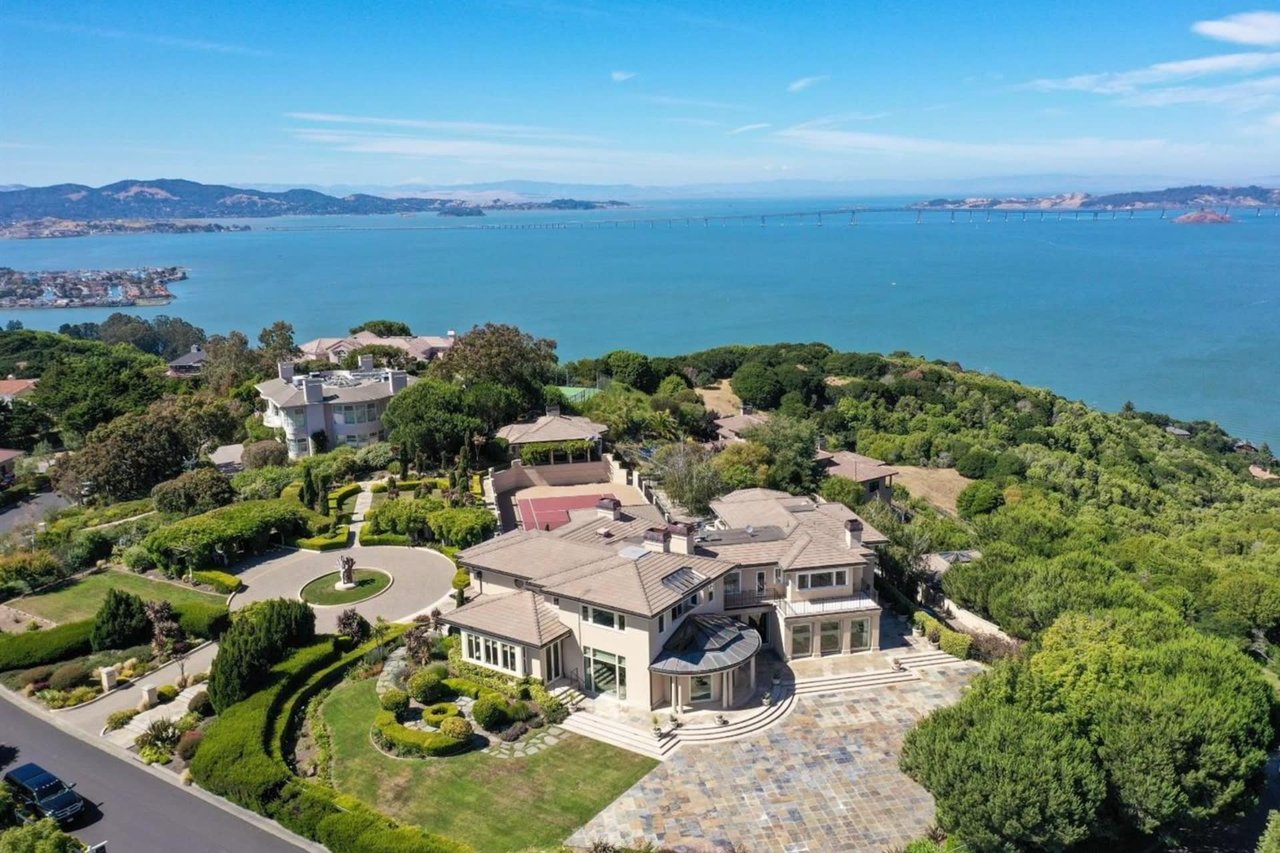
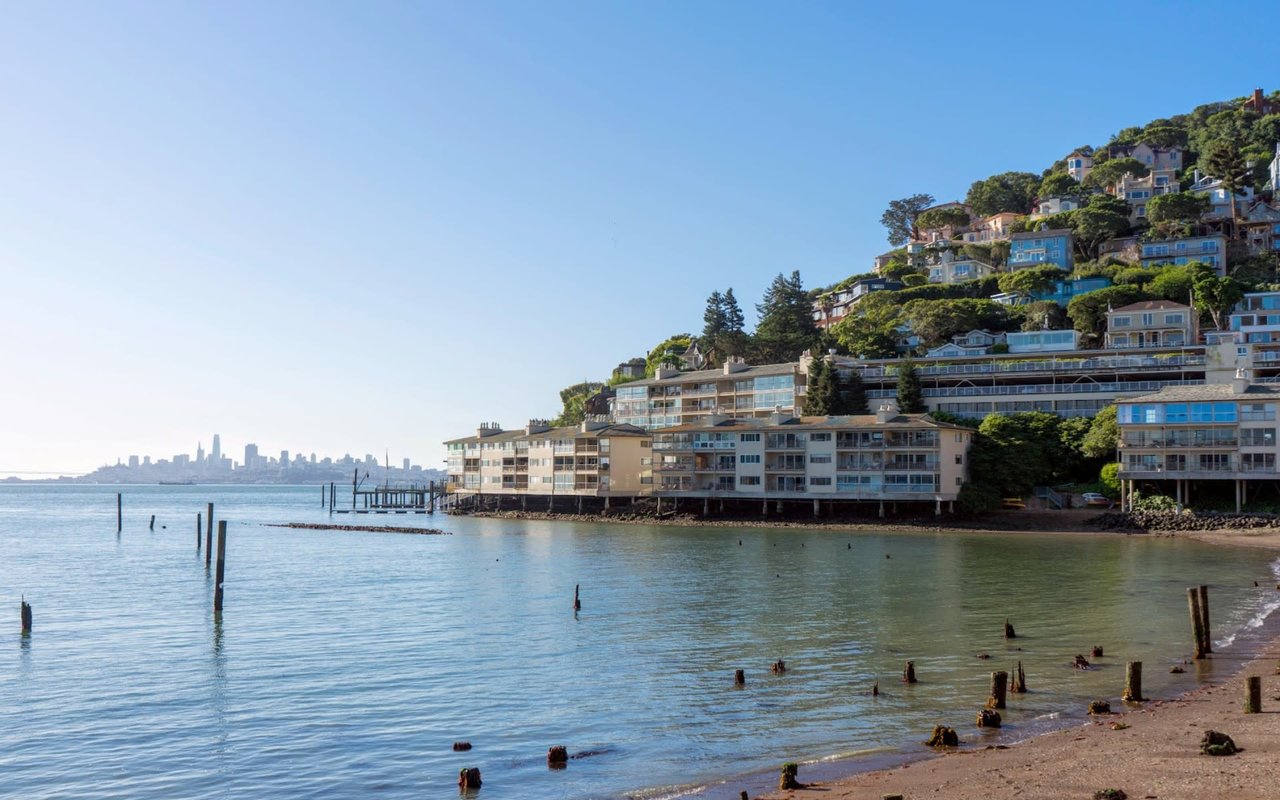
These Southern Marin pockets trade deep redwood seclusion for more sun, easier driveways, and quicker access to Highway 101 and ferry corridors. If you want flatter blocks, a lighter tree canopy, or a faster morning exit, include these in your tour. They offer a useful comparison when you weigh daily errands, school runs, and commute choices.
Homes, architecture, and what to expect
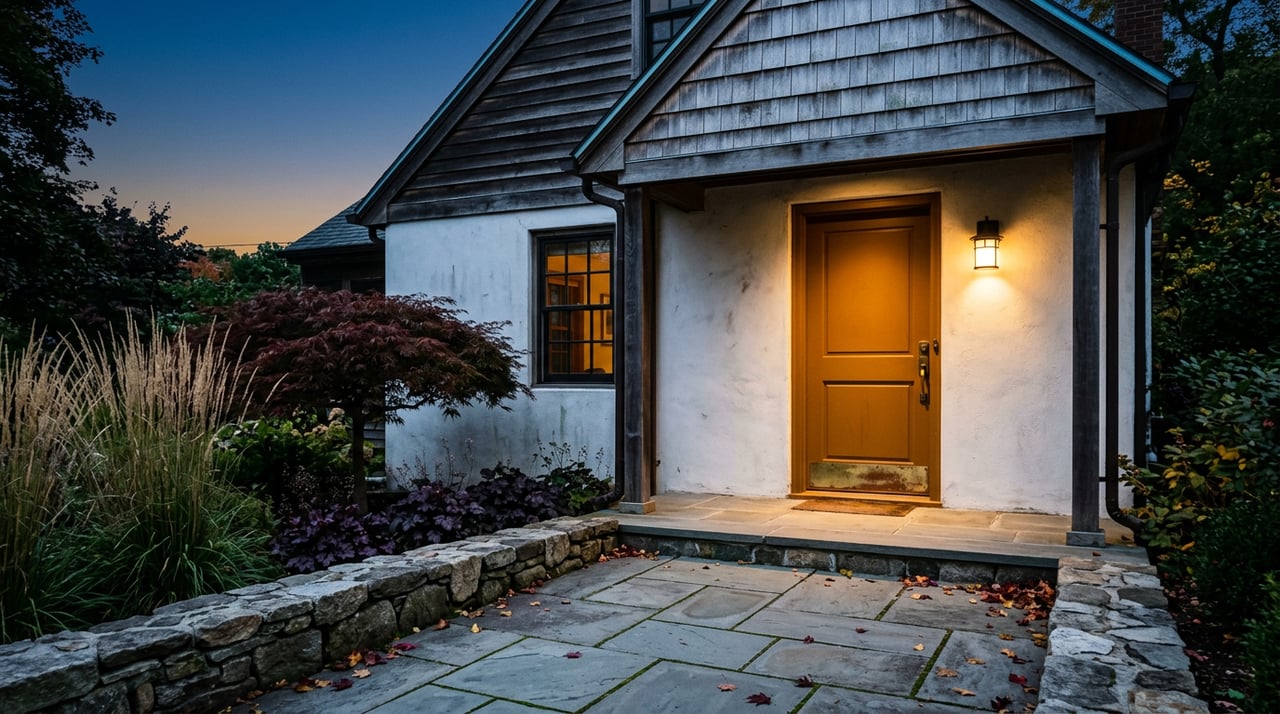
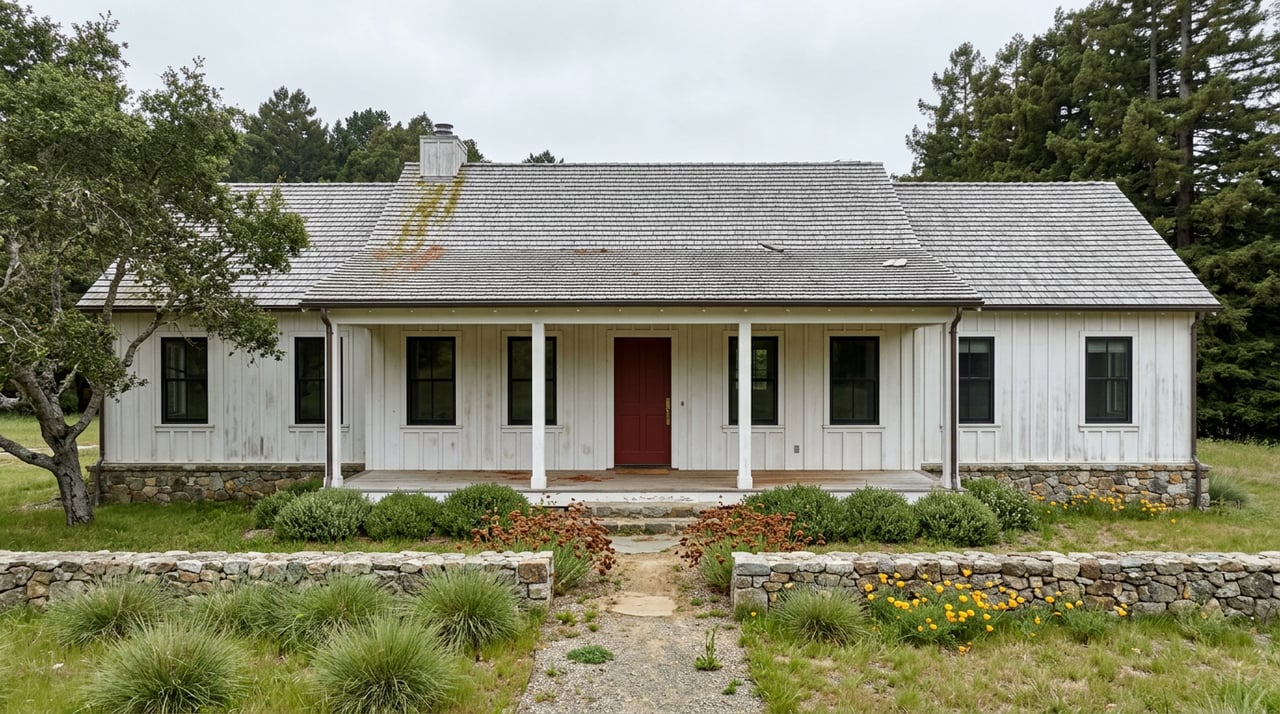
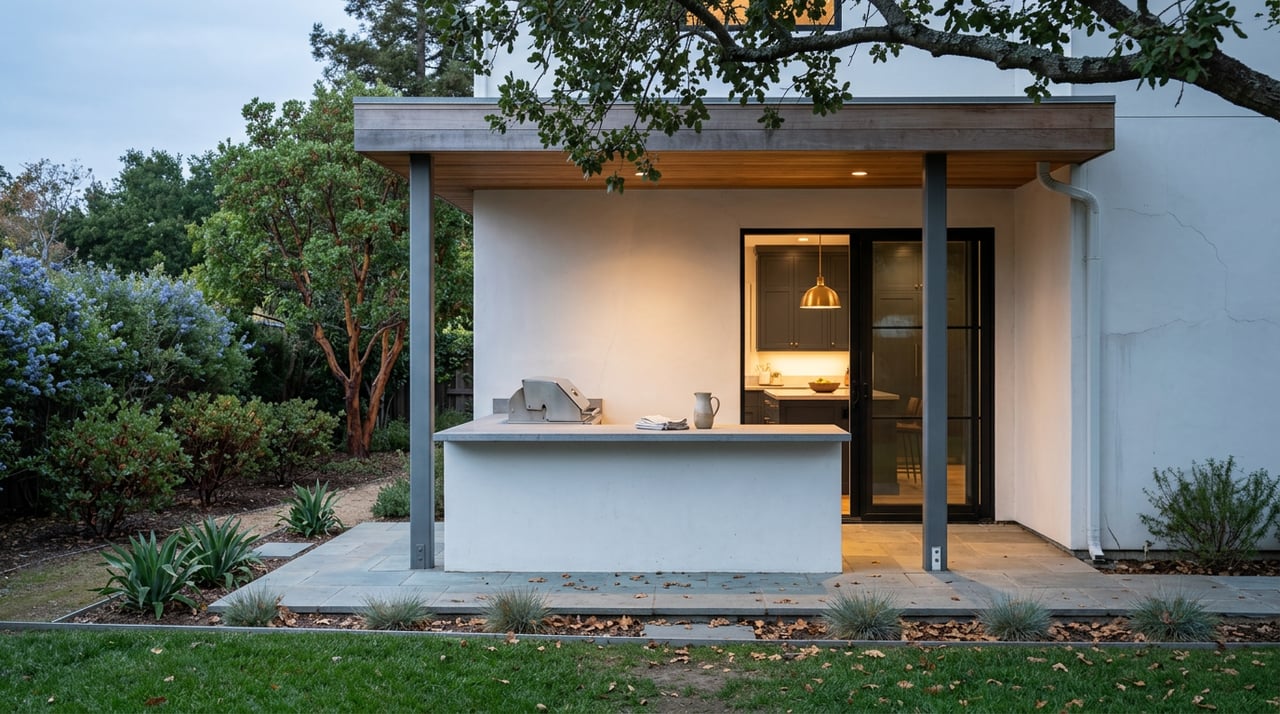
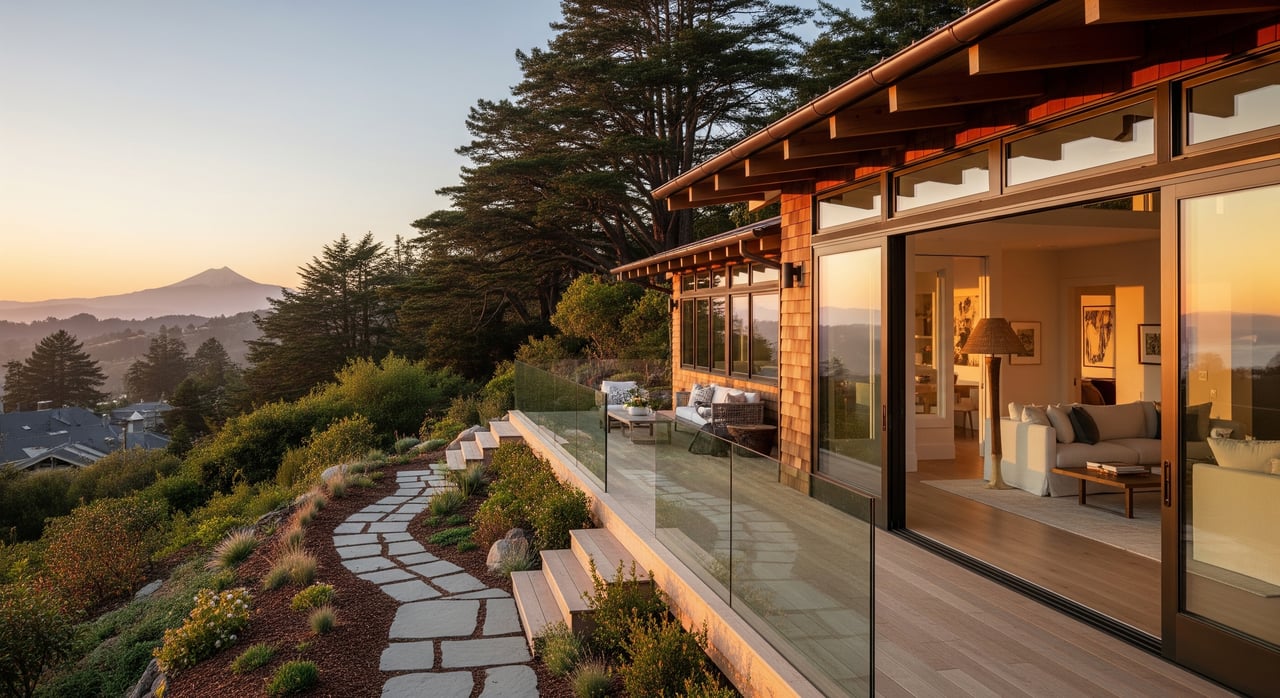
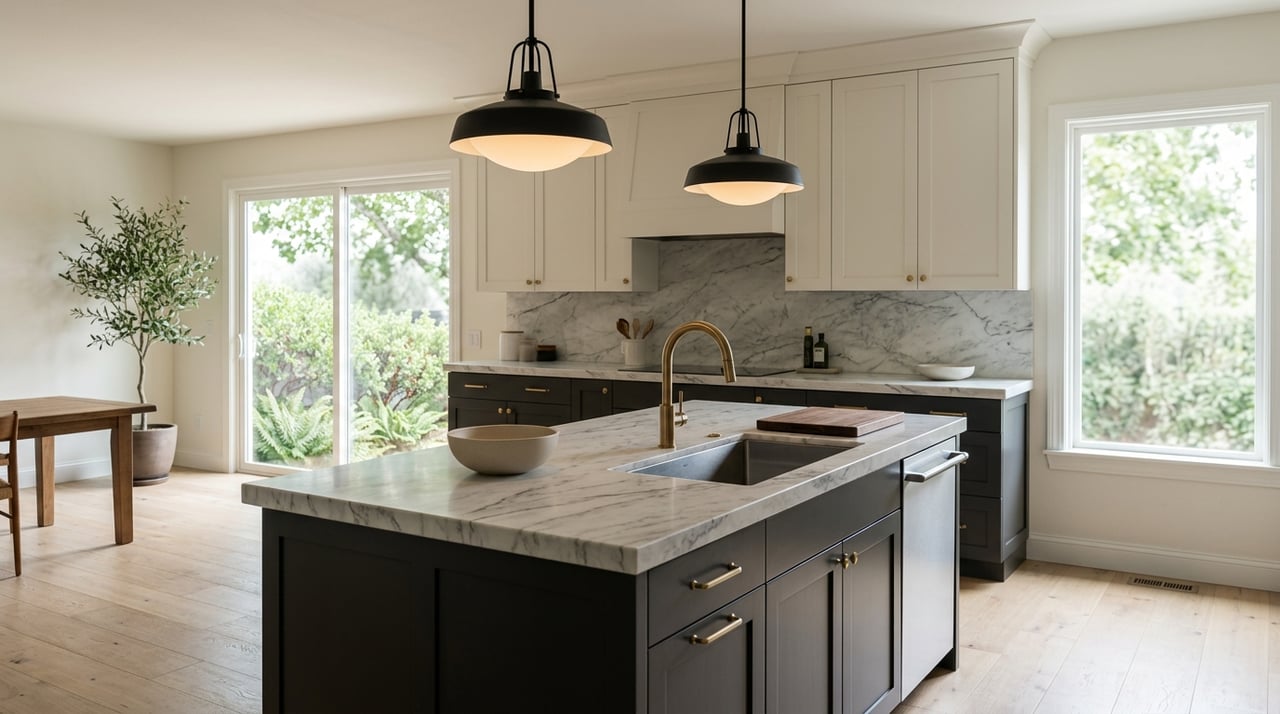
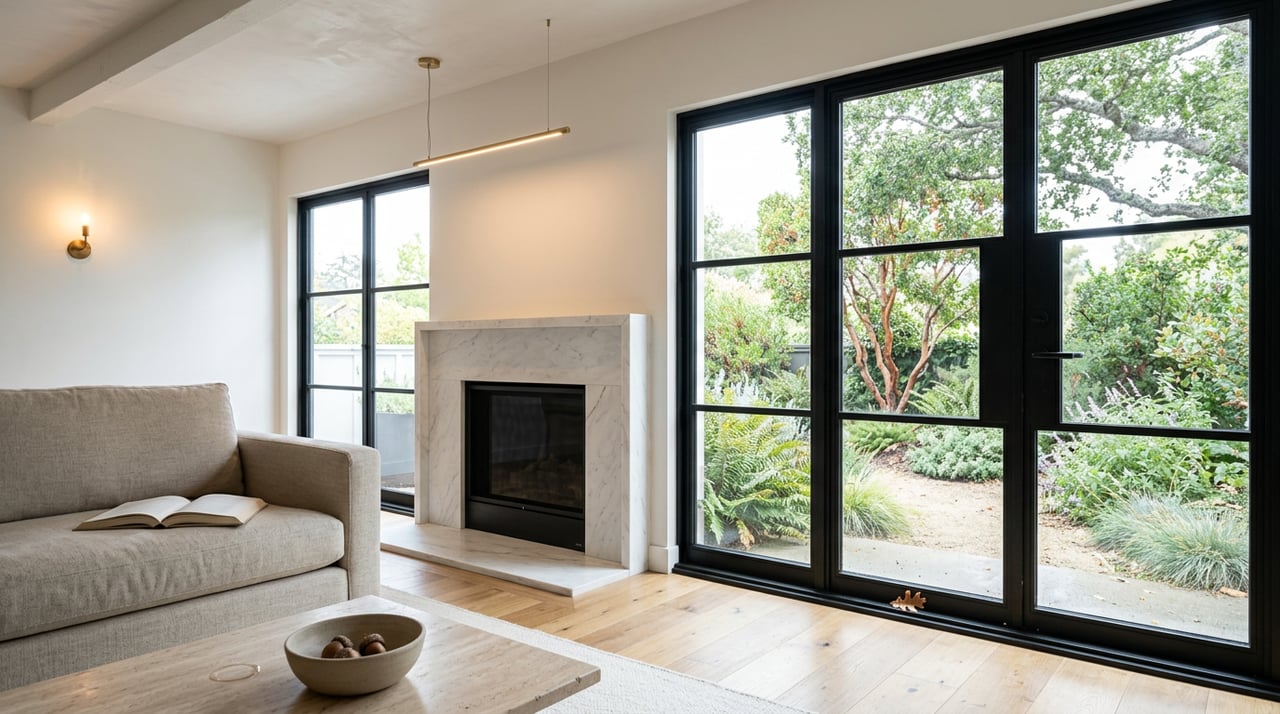
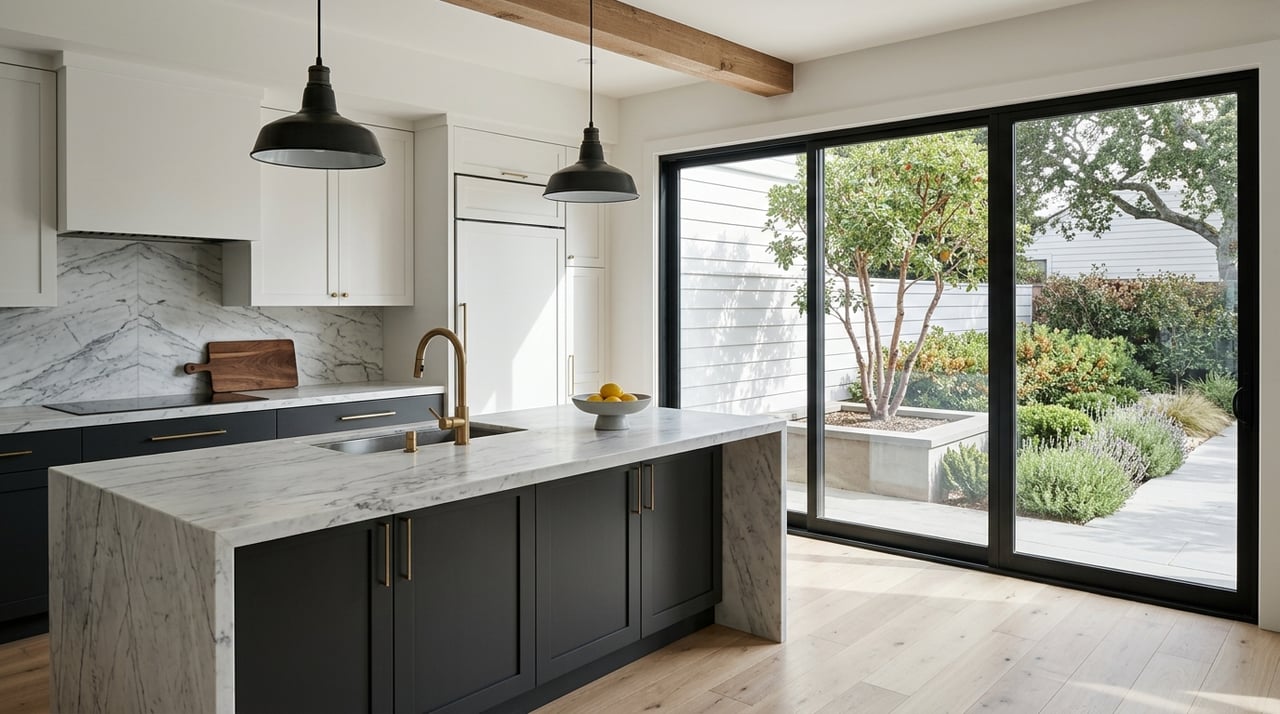
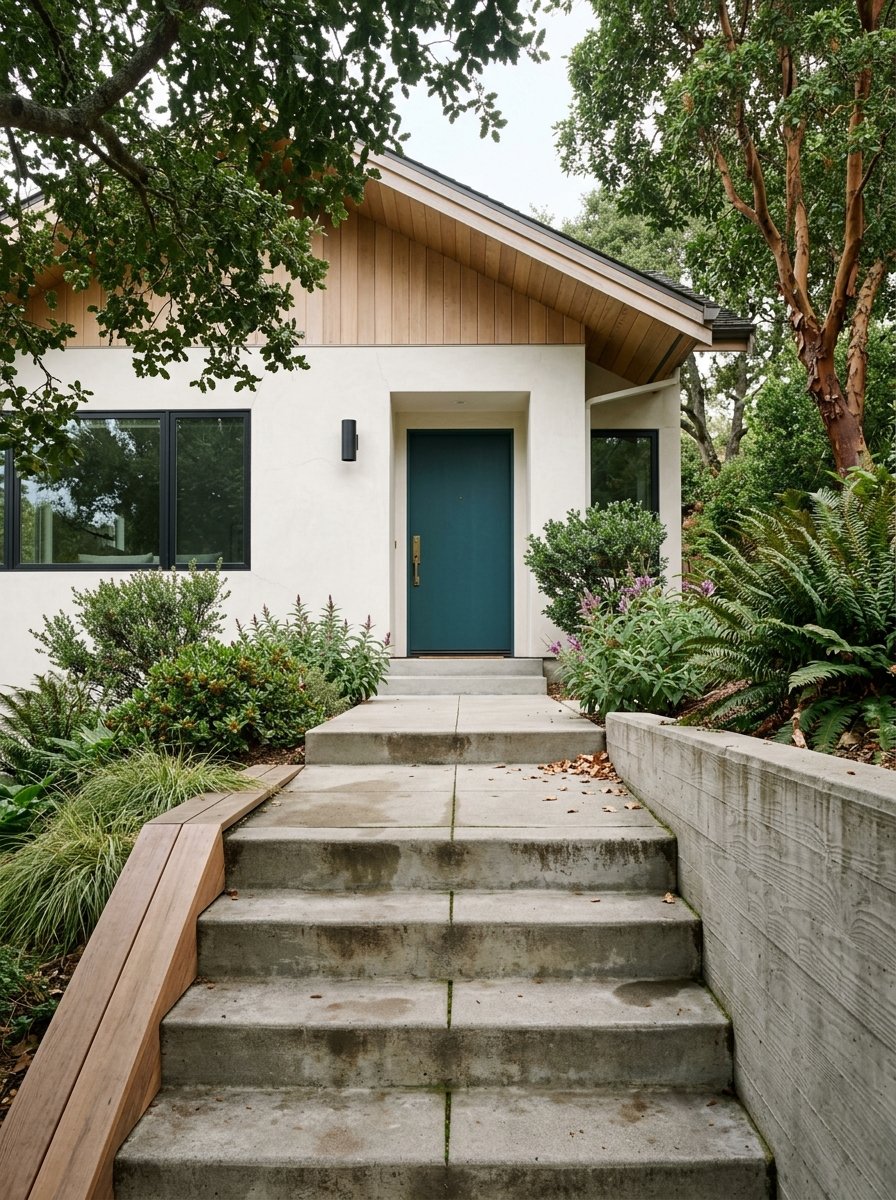
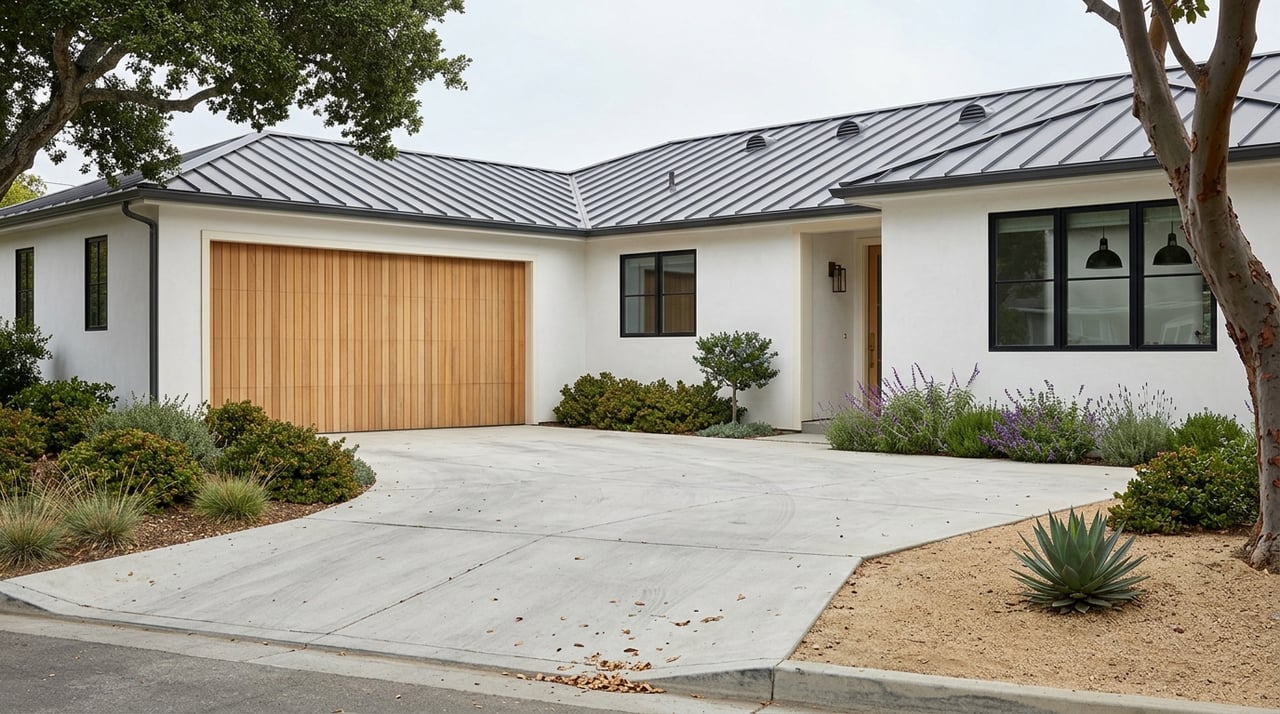
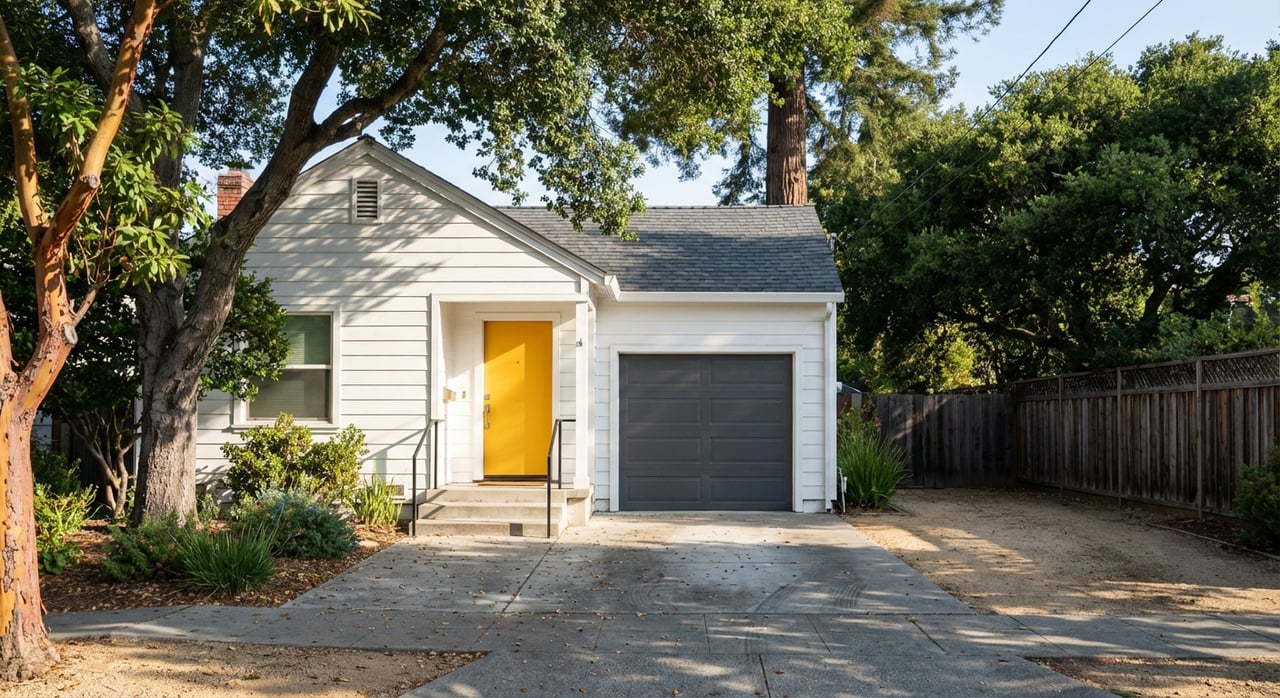
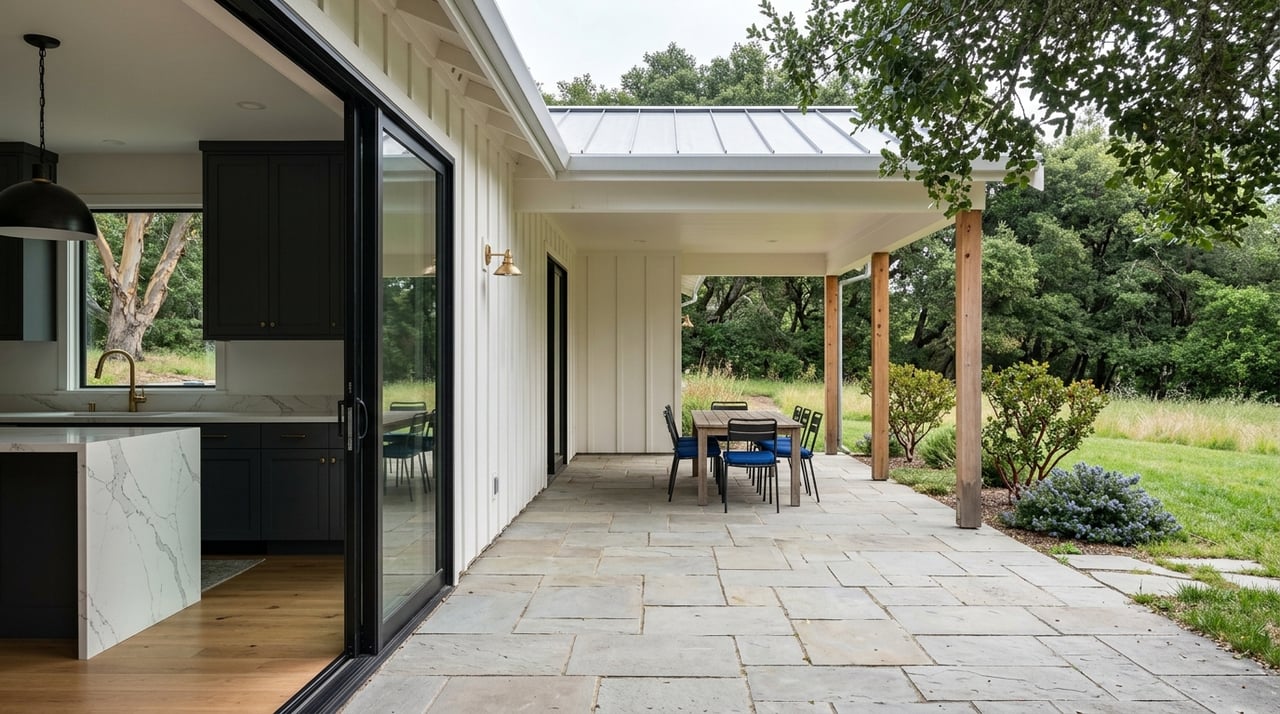
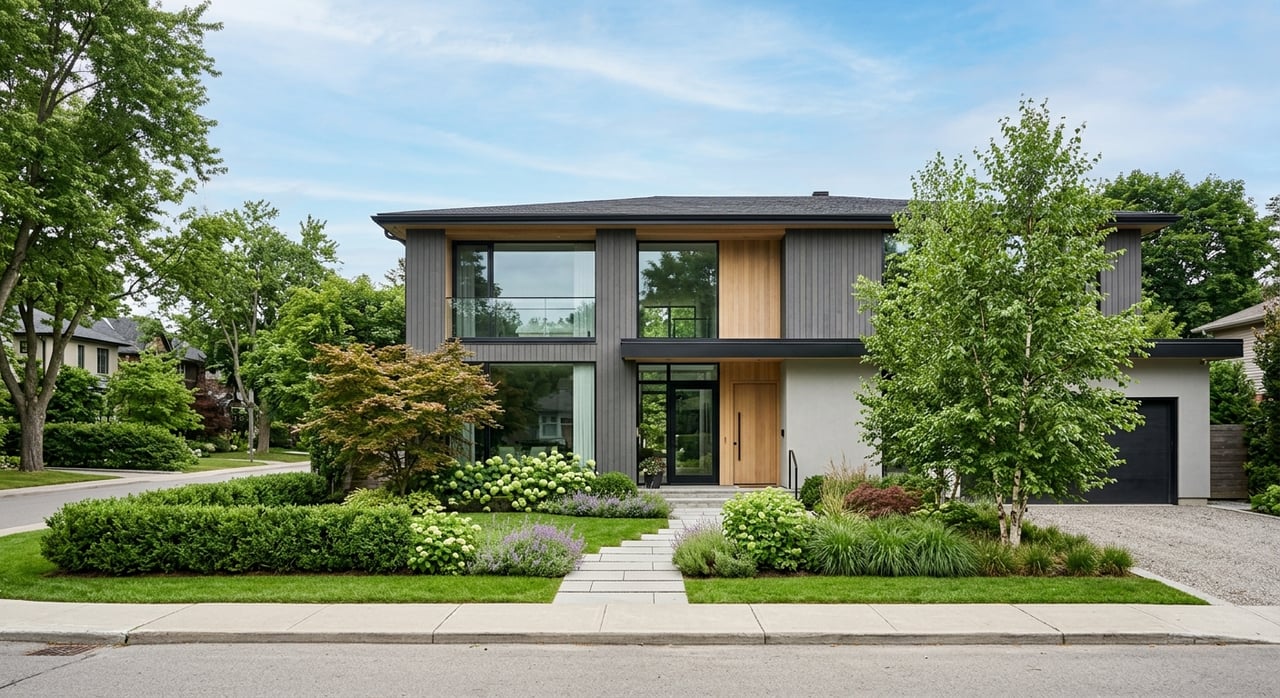
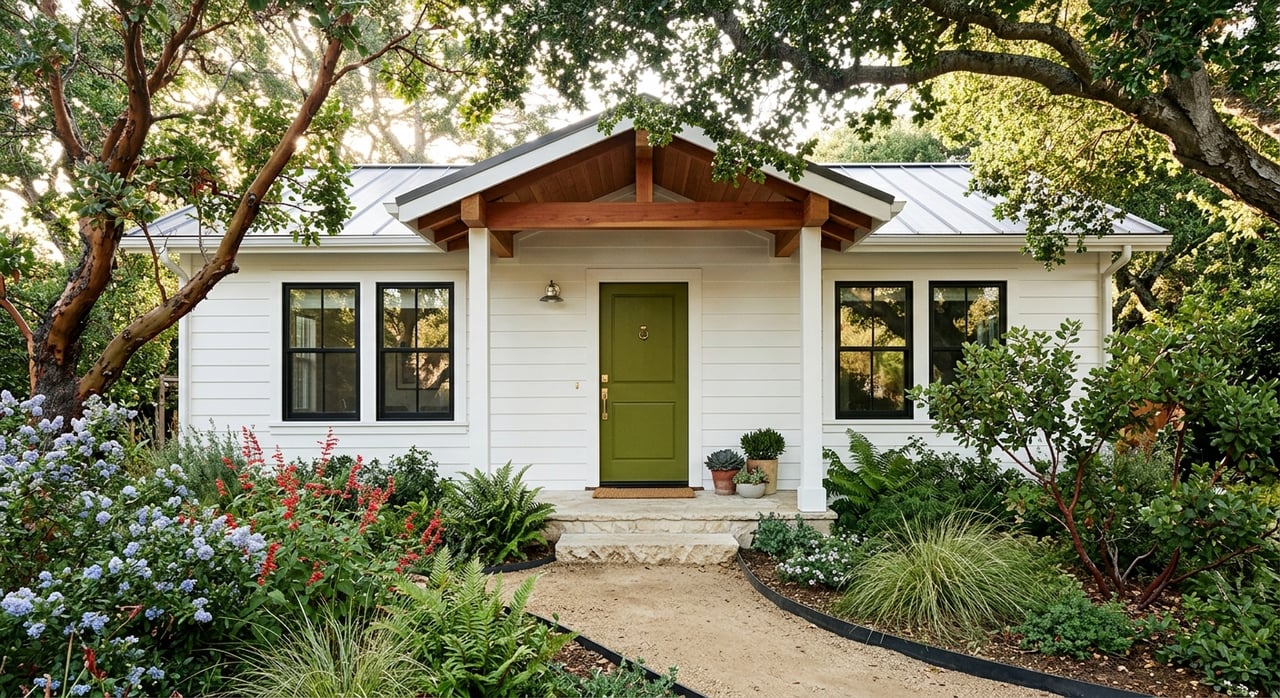
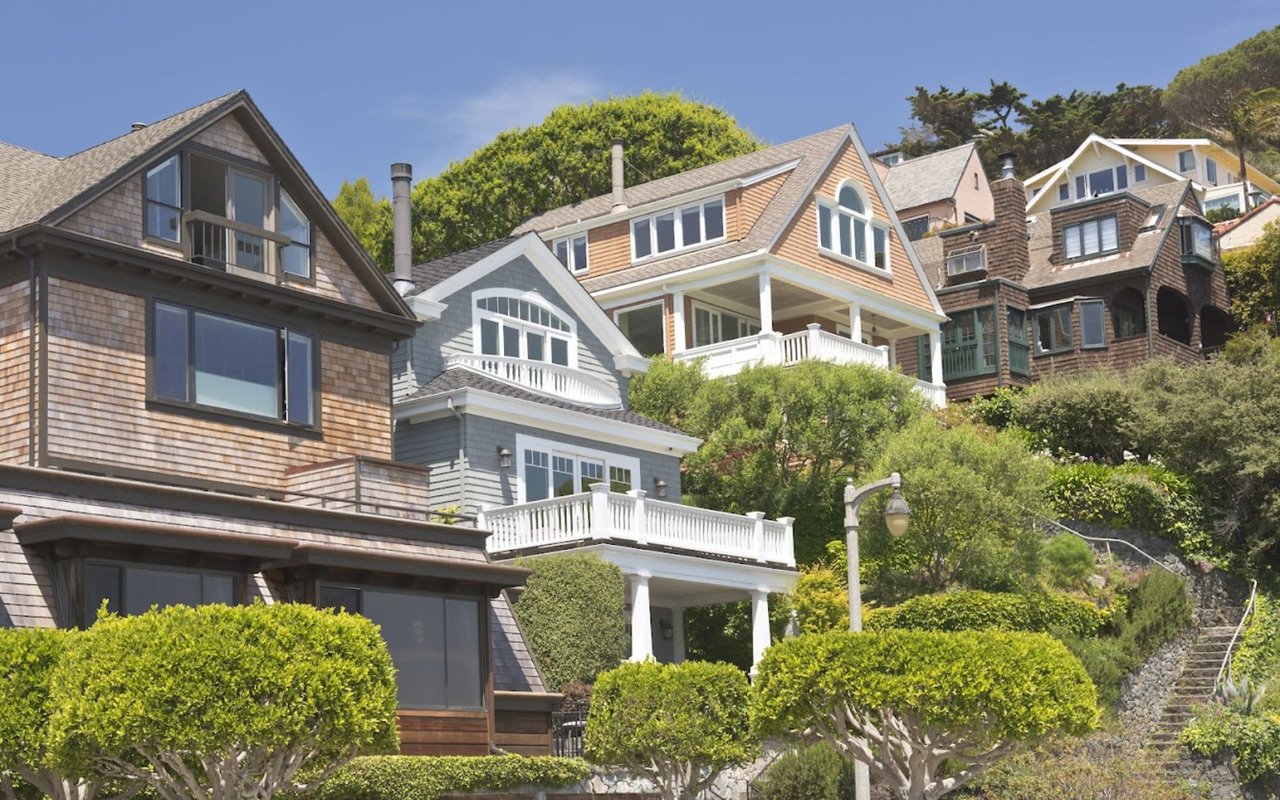
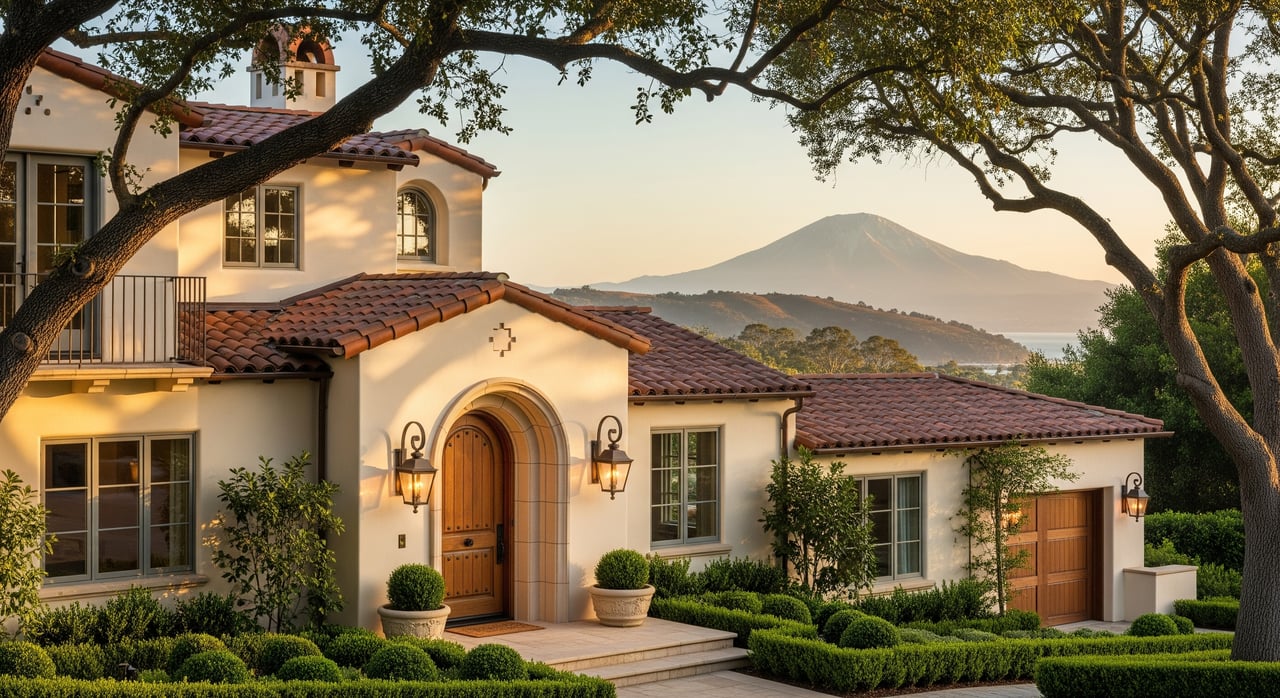
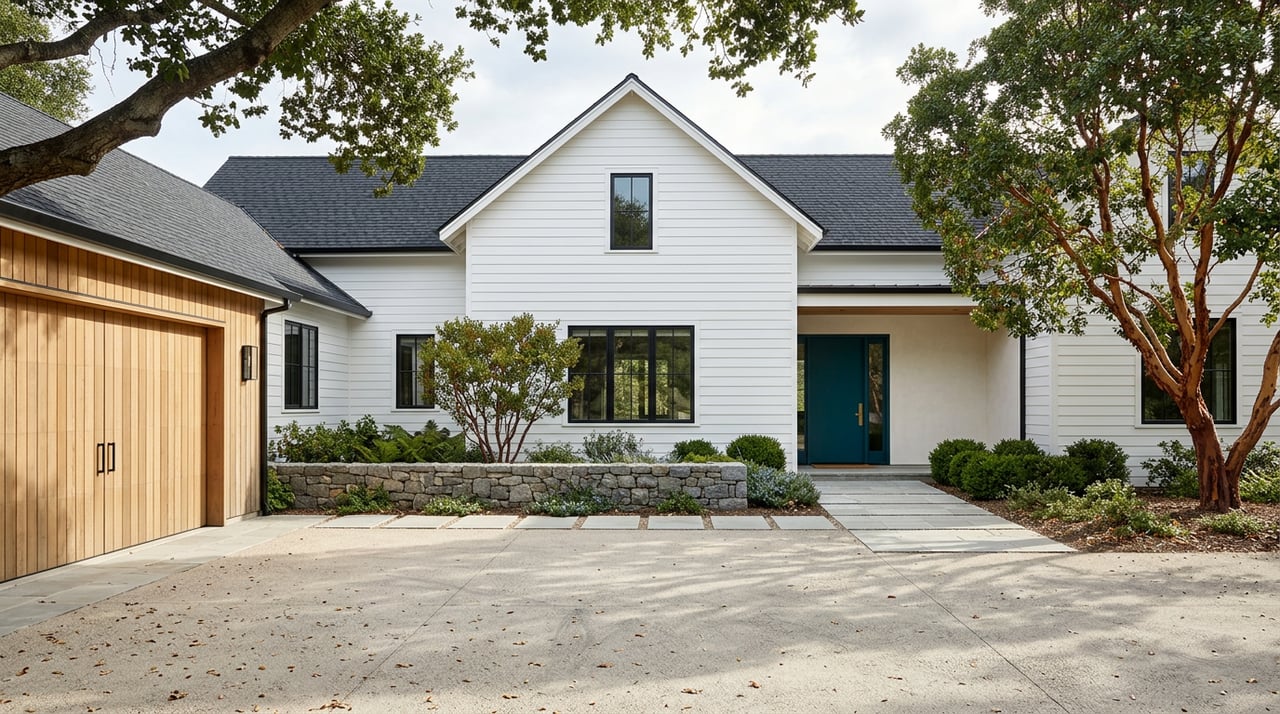
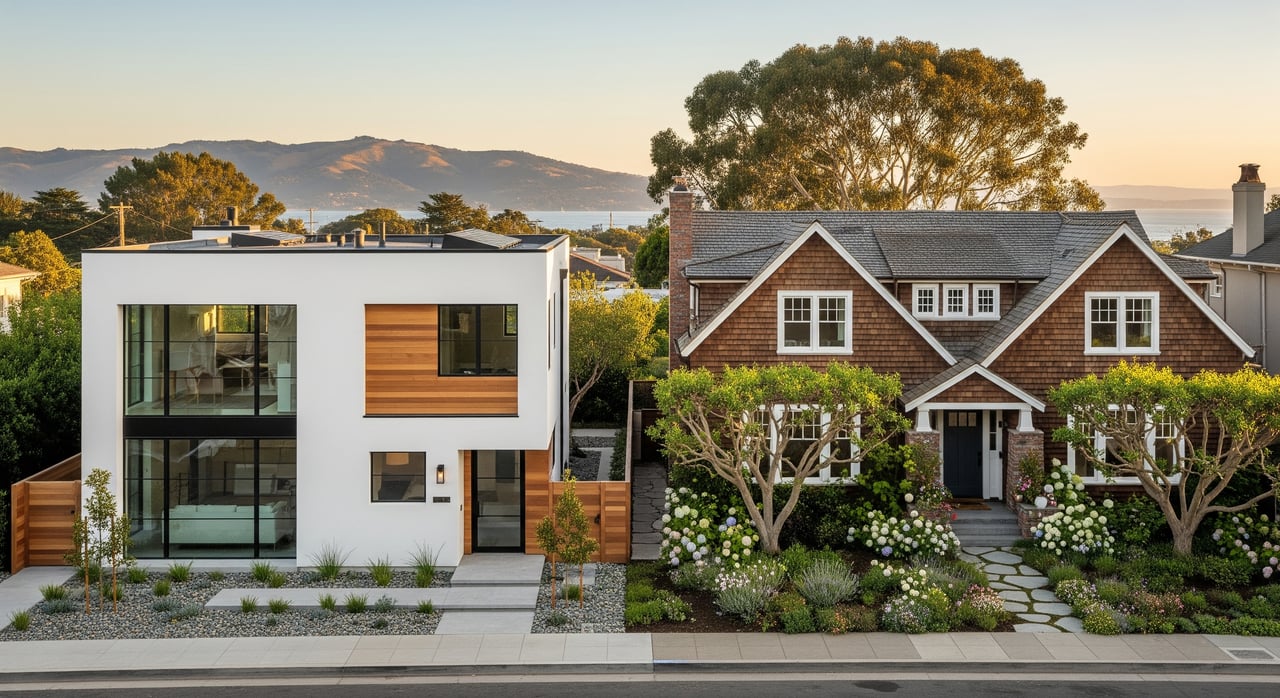
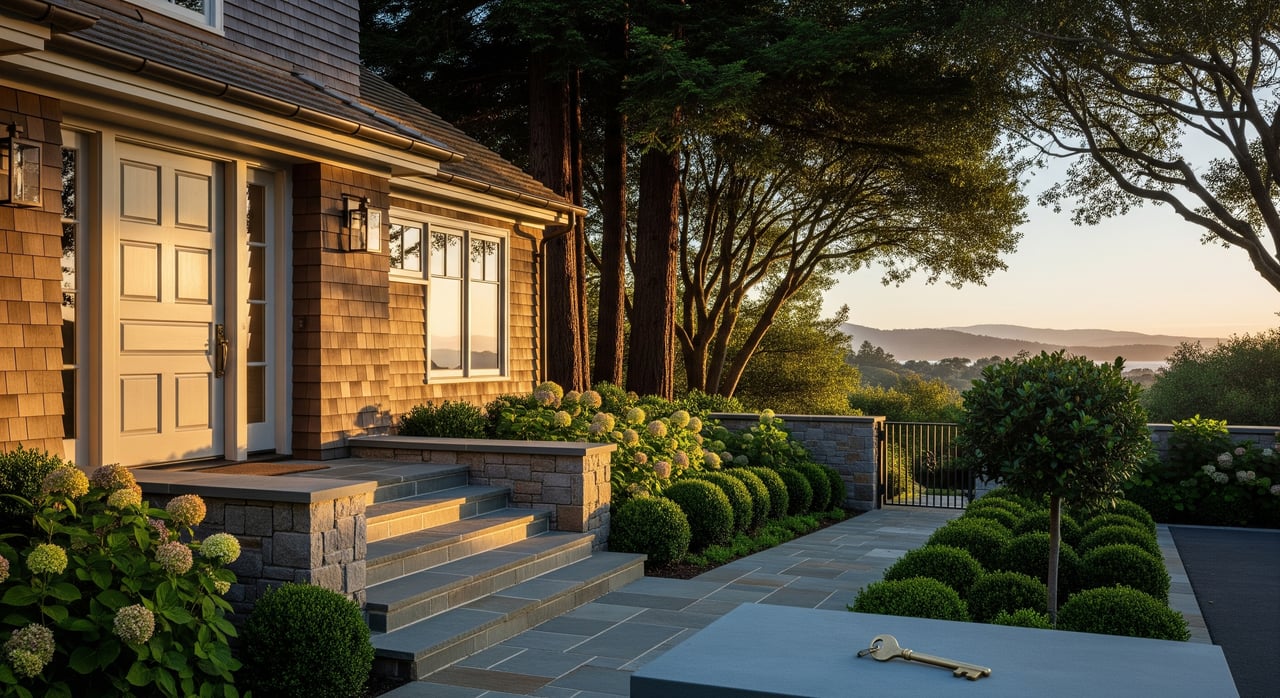
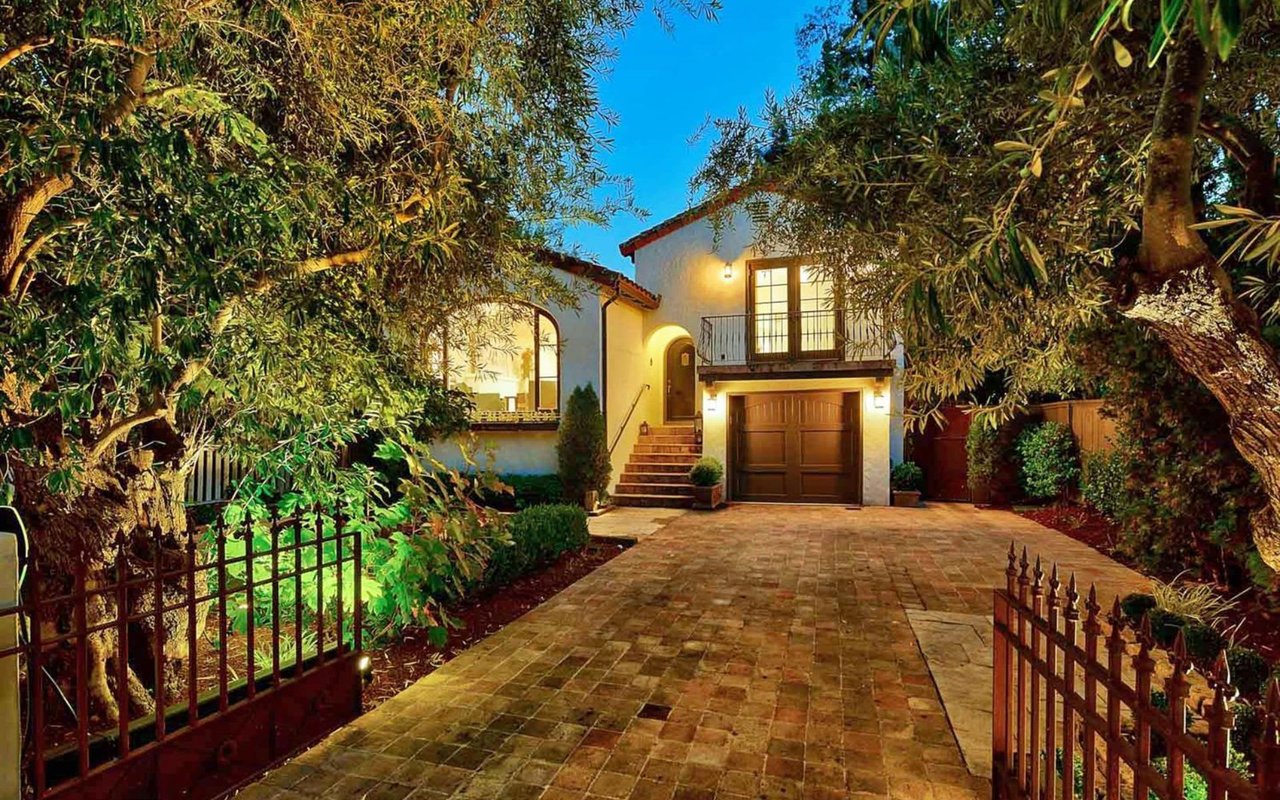
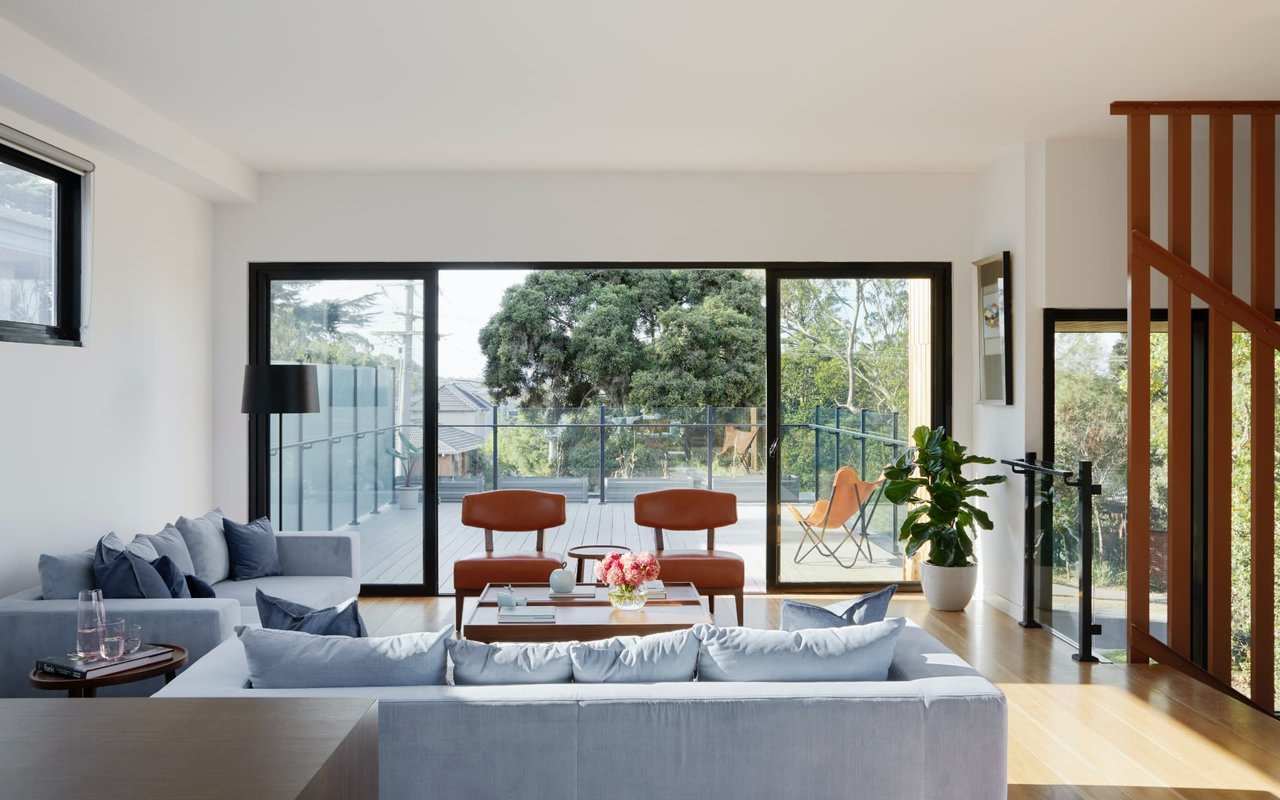
Many canyon homes began life as early 20th-century summer cottages or Craftsman bungalows. Over time, midcentury cabins and contemporary hillside rebuilds added glass, decks, and view-forward design. You will see shingle exteriors, warm wood interiors, and modern renovations that bring in light while preserving privacy.
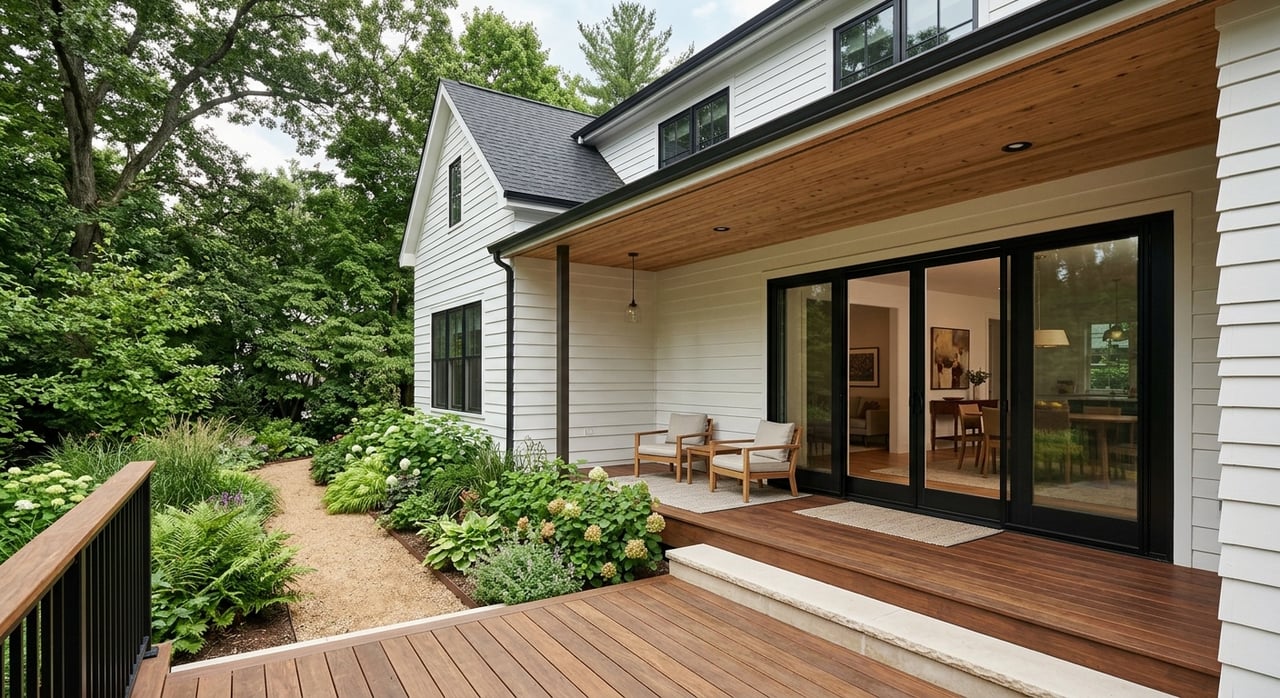
Canyon living also brings practical upkeep. Shaded lots hold moisture, and slope requires thoughtful structures and drainage. A Mill Valley renovation story in SFGATE illustrates how architects address light, material choice, and durability in this environment. For inspiration on moisture management and design choices, see how one Mill Valley home was reworked in this SFGATE feature.
Maintenance checklist for buyers
- Moisture management: Roofing, flashing, gutters, foundation drainage, and ventilation need regular attention due to shade and fog influence. Materials that resist rot and corrosion are common upgrades.
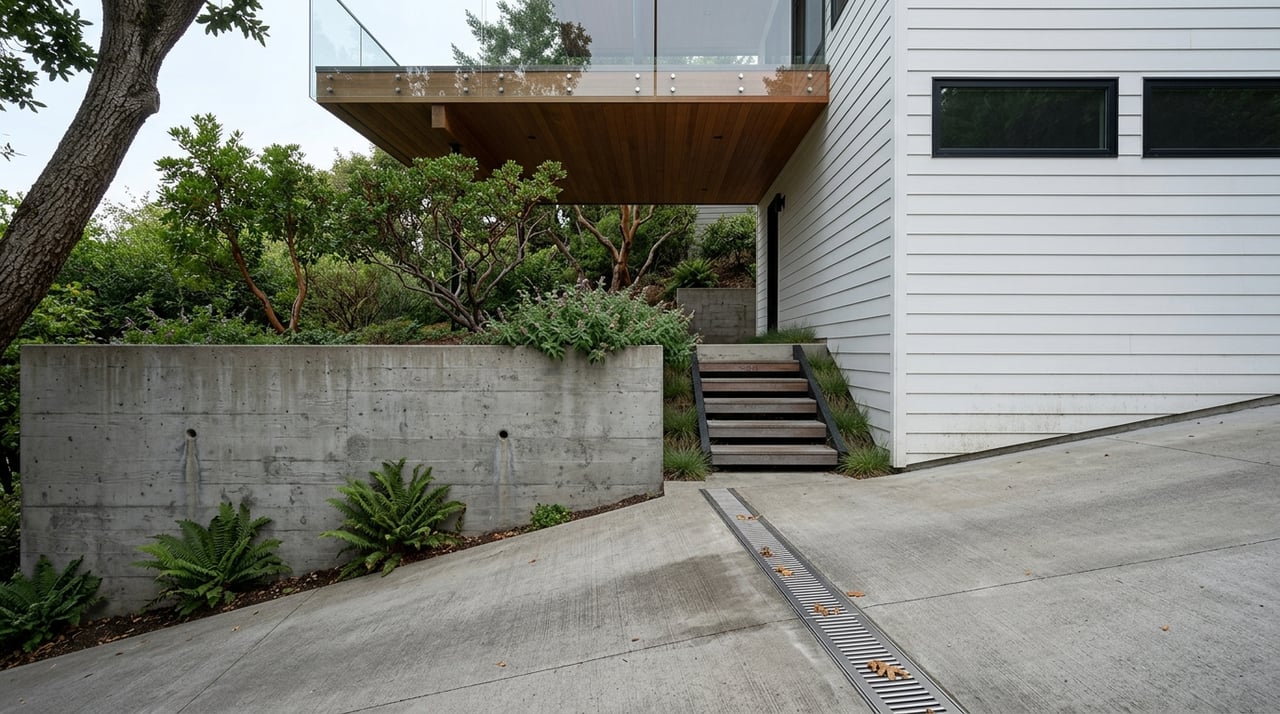
- Decks and retaining walls: Many hillside homes rely on extensive decks and engineered retaining structures. Budget for inspections, permitting needs, and periodic renewal.
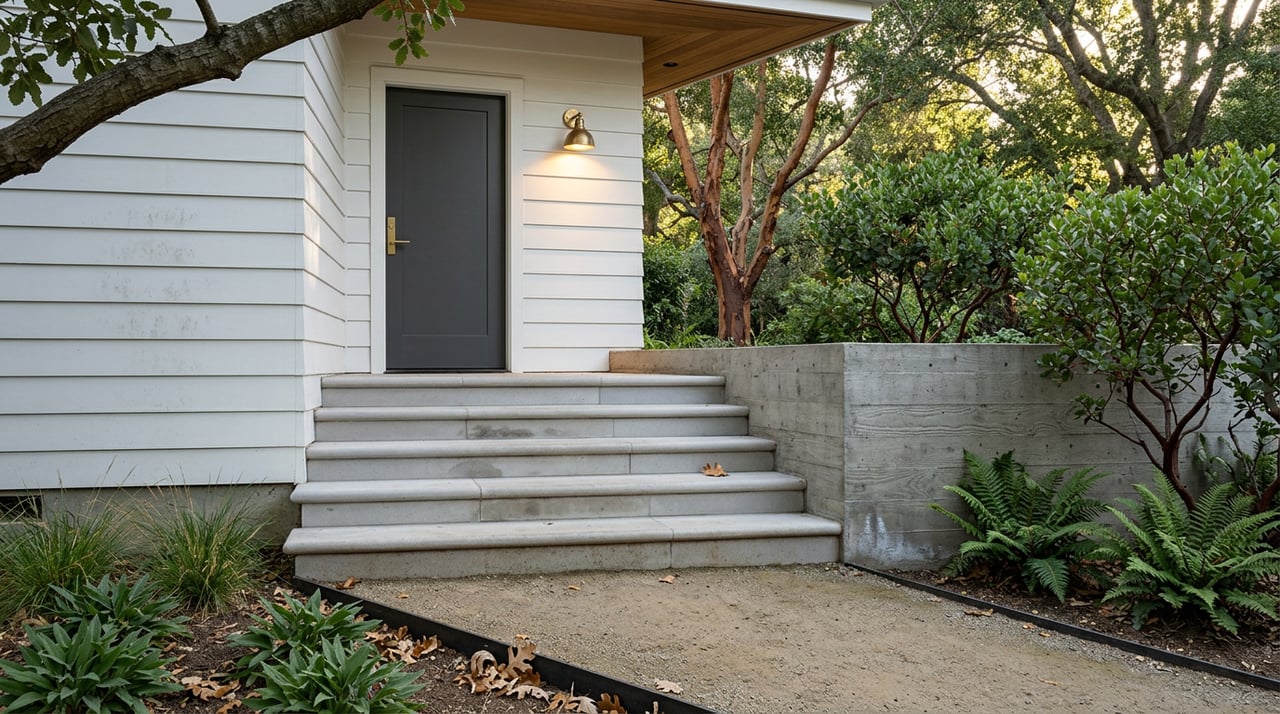
- Access and parking: Narrow roads and steep driveways affect deliveries, contractor logistics, and guest parking. Confirm your turning radius and garage usability during showings.
- Landscaping and defensible space: Mature trees are part of the appeal. Work with arborists on health and clearance, and plan vegetation management that aligns with local fire guidance.
- Light and solar gain: Understand seasonal sun paths for comfort and energy planning. South and east exposures may reduce heating needs compared to deep-shade sites.
How canyon living compares
If you prize privacy, nature immersion, and walking onto a trail in minutes, the canyons deliver that daily. You accept steeper access, more shade, and a maintenance plan that respects moisture and slope. If your top priorities are driveway ease, early morning sun, and a quick jump to 101 or the ferry, try Tam Valley, Strawberry, or Scott Valley on the same tour for a balanced view.
Who the canyons tend to fit
- Outdoor-first lifestyles that value hiking, trail running, or mountain biking right from home.
- Buyers who enjoy a quiet, woodsy setting and do not mind stairs or sloped sites.
- Those who appreciate architectural variety, from restored cottages to custom hillside moderns.
- Remote and hybrid professionals who can time commutes around peak traffic when needed.
Smart next steps
- Tour at different times: Visit a candidate home in the morning and late afternoon to judge light and temperature. Return on a weekend to feel trailhead activity.
- Test the commute: Drive your door-to-door route at your exact work hours. If considering transit, ride a Golden Gate Transit commuter bus or try the Larkspur ferry connection.
- Walk the neighborhood: Explore Old Mill Park and the Cascade Falls path to understand nearby traffic, parking, and weekend rhythms. A quick scan of Mill Valley’s visitor highlights can help you map short outings.
- Inspect for slope and moisture: Go deeper on drainage, retaining walls, deck condition, and ventilation during due diligence. Use specialists familiar with hillside construction.
When you want nuanced guidance on value, microclimates, off-market options, and how to position your home for premium results, connect with Eric Schmitt. Request a confidential home valuation and a clear plan tailored to your priorities.
FAQs
What makes Mill Valley’s redwood canyon neighborhoods unique?
- They combine a quiet, woodsy setting of redwoods and creeks with fast access to downtown and regional parks, including Muir Woods and Mount Tam.
How does fog and redwood microclimate affect daily life in the canyons?
- Expect cooler, moister conditions on canyon floors and west slopes, with more shade and greenery, while south and east ridges enjoy earlier sun and drier afternoons.
What are the main commute options from Mill Valley to San Francisco?
- Drive via US‑101 and the Golden Gate Bridge, take Golden Gate Transit commuter buses, or use Golden Gate Ferry from Larkspur, sometimes paired with SMART rail.
What should buyers prioritize in a canyon home inspection?
- Drainage and moisture control, deck and retaining wall integrity, hillside foundations, driveway access, and vegetation management near structures.
How do the canyons compare with Tam Valley or Strawberry for errands and access?
- Canyons deliver privacy and trails with steeper access and more shade, while Tam Valley and Strawberry trade deeper woods for flatter streets, more sun, and faster connections to 101 and ferry routes.