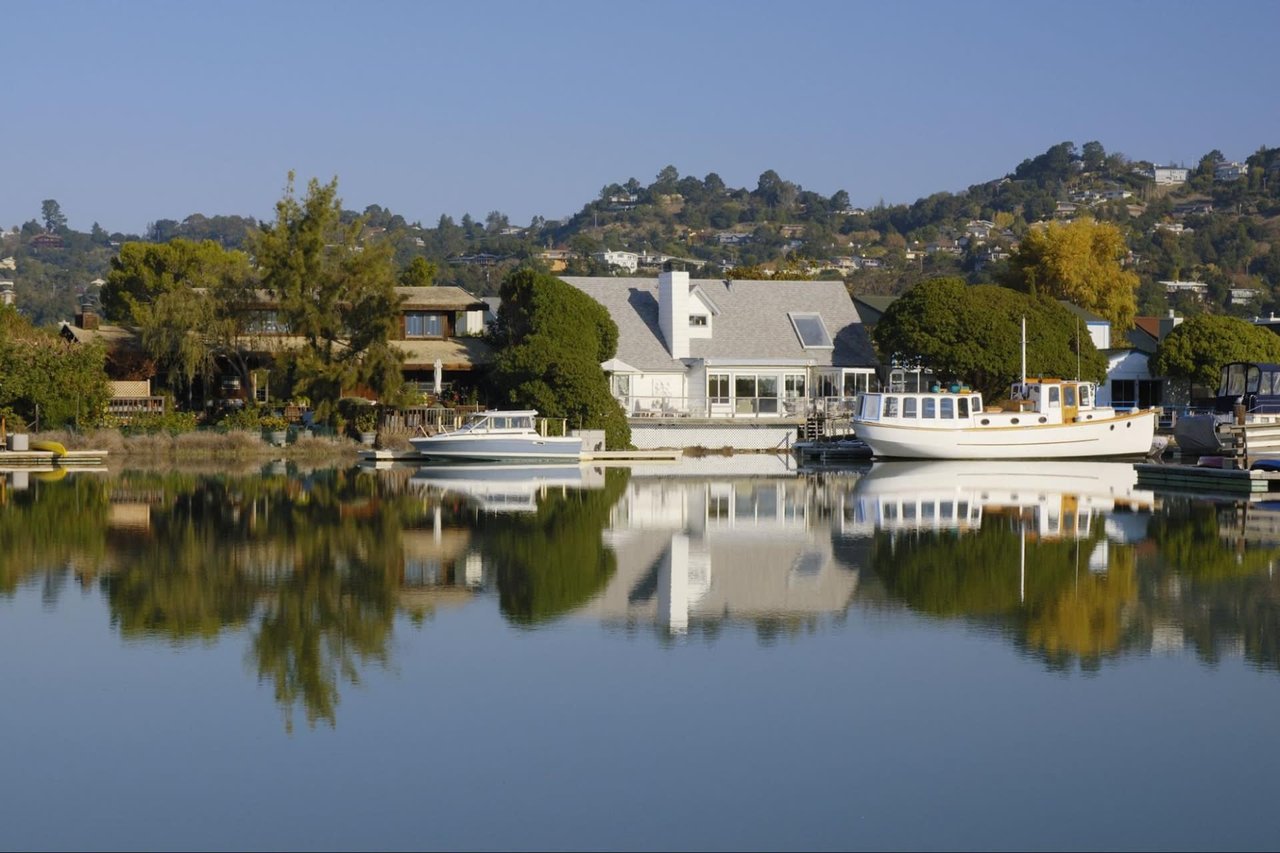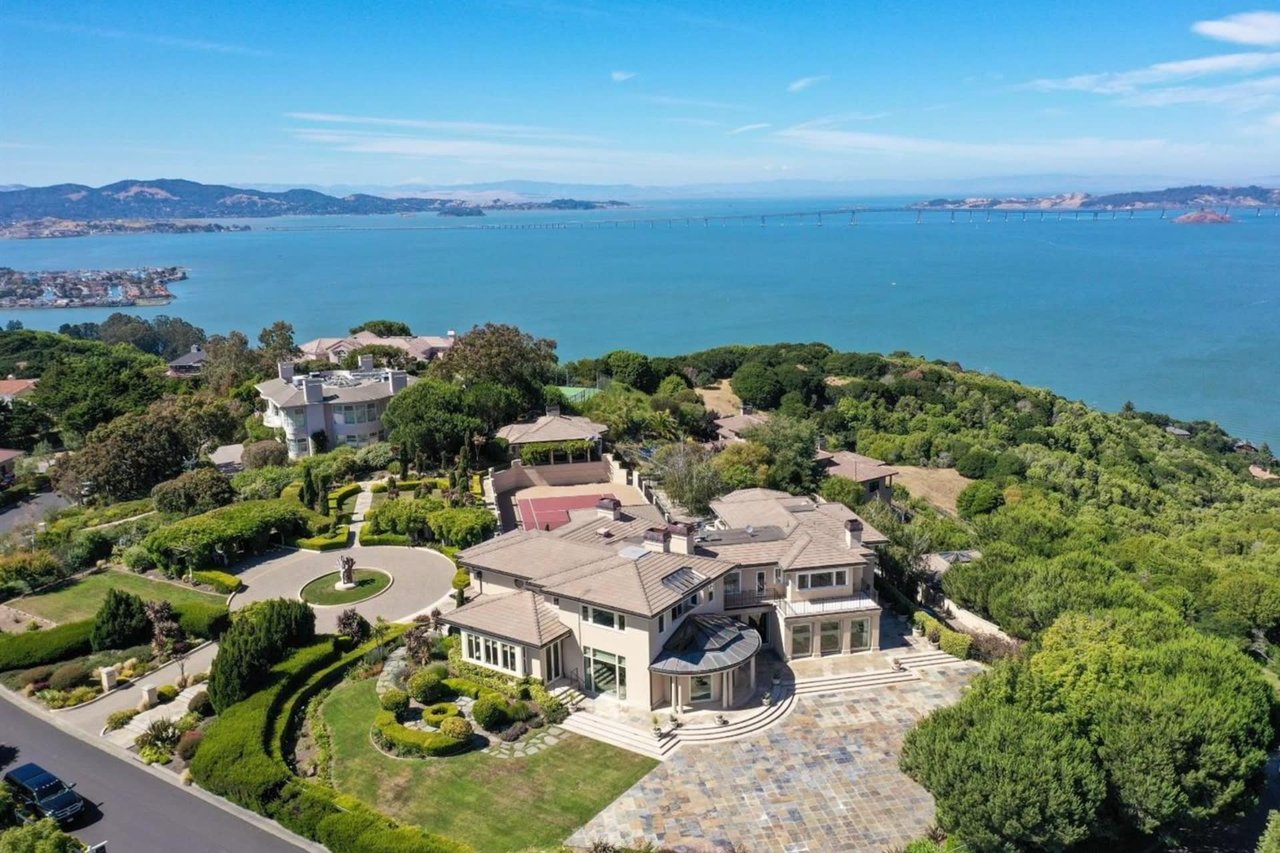
If you have ever looked across Richardson Bay and wondered what it would actually be like to live there, you are not alone. Waterfront living in Sausalito can feel equal parts dreamscape and practical lifestyle choice, especially if you want daily connection to the Bay, walkable routines, and a home with a strong sense of place. The key is understanding how this market really works, from floating-home ownership and berth fees to tides, weather, and long-term shoreline planning. Let’s dive in.
Sausalito’s waterfront is a full living system
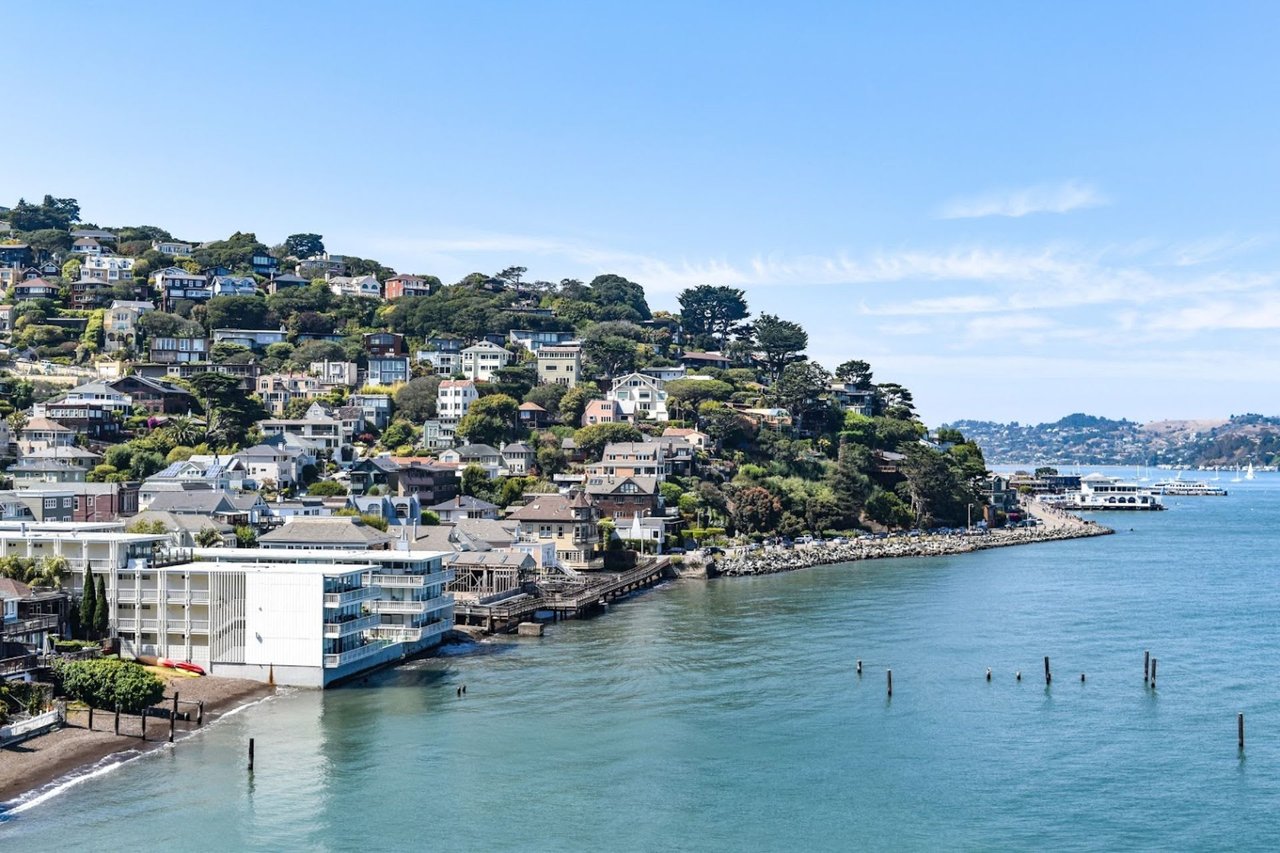
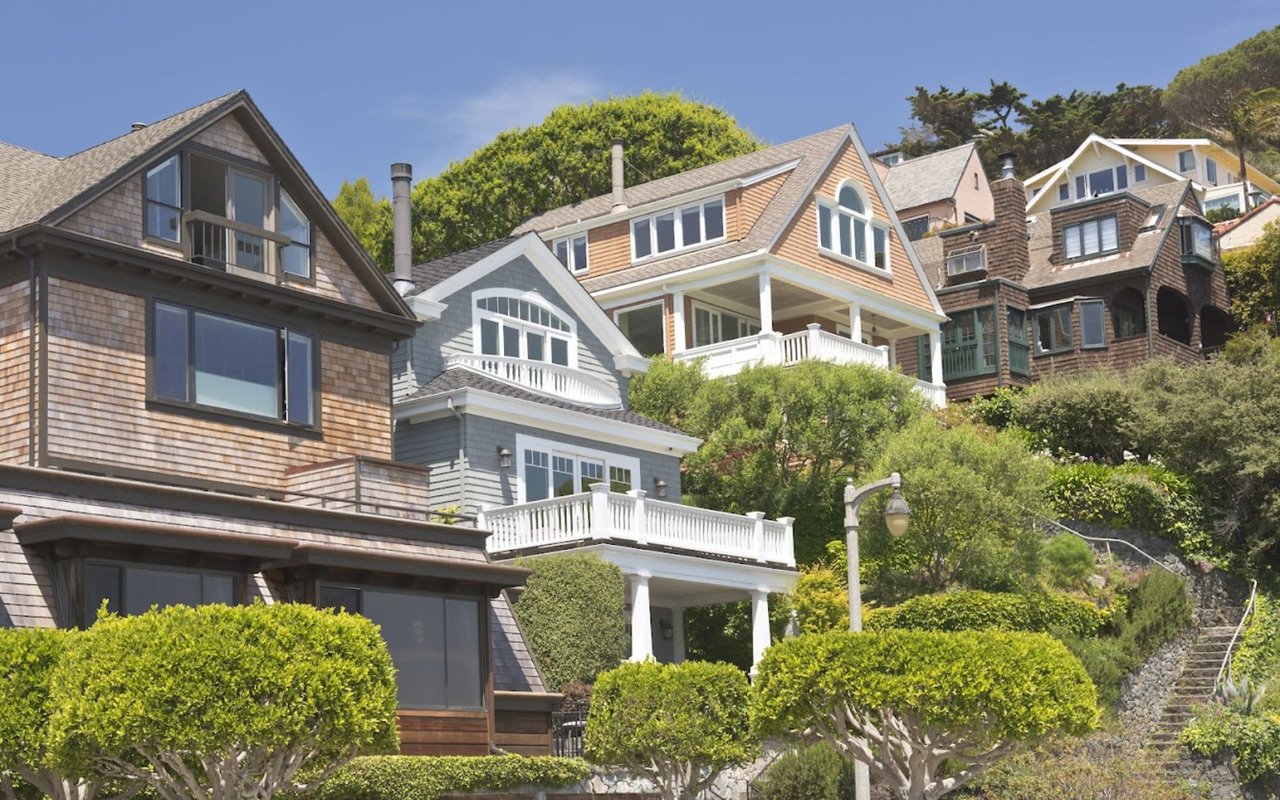
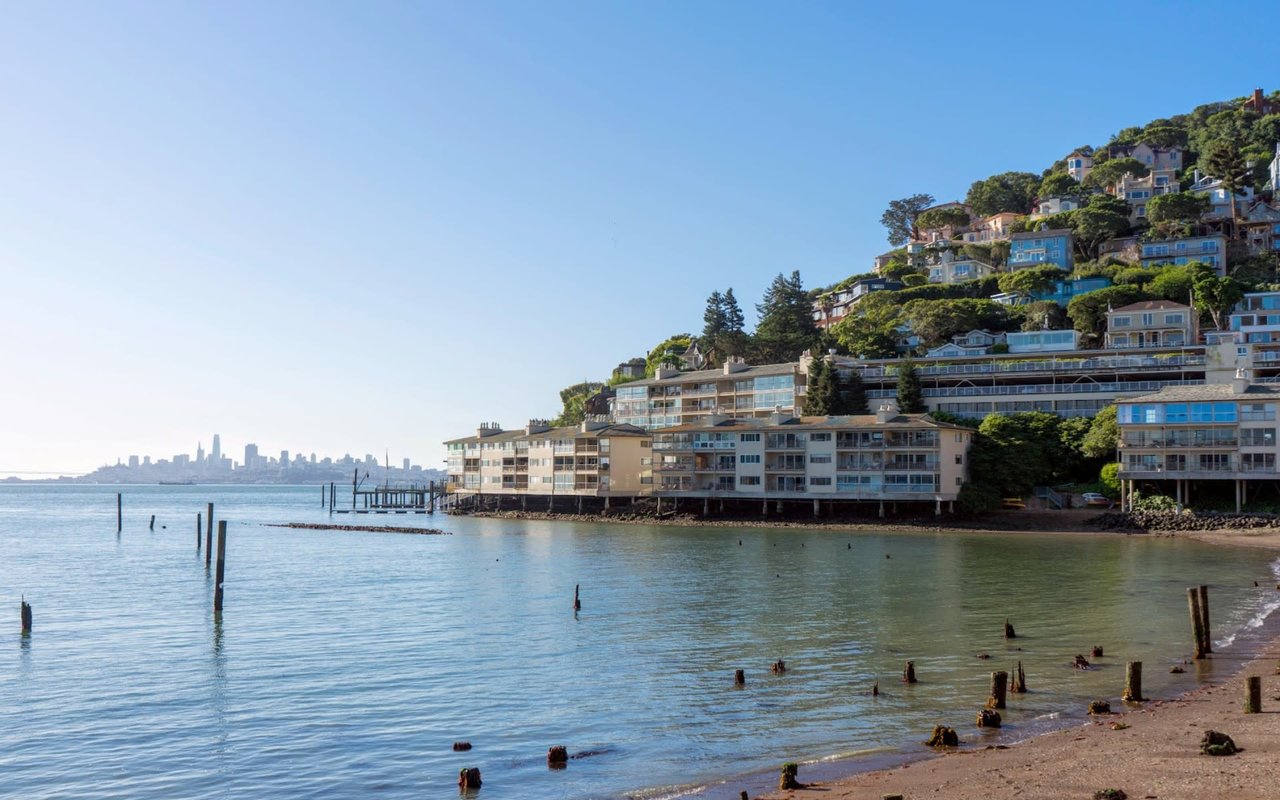
Sausalito is not just a scenic town by the water. The city describes itself as a unique waterfront community, and that framing matters if you are thinking about buying here. In a city of just 2.257 square miles, the waterfront, hillside homes, ferry access, marinas, and harbor services are closely connected.
The local harbor network includes marinas, yacht clubs, the Bay Model Visitor Center, the Sausalito Community Boating Center, Galilee Harbor, the Arques School of Traditional Wooden Boatbuilding, and the public Turney Street Boat Ramp. In other words, the waterfront is not a narrow strip at the edge of town. It is part of how daily life works.
That interconnected layout also shapes how the city plans for the future. Sausalito’s sea-level-rise guidance treats houseboats, waterfront streets, and hillside areas as part of one shared system because roads, utilities, and evacuation routes link them together. If you are considering living on the water, it helps to think beyond the home itself and look at the broader shoreline infrastructure too.
Floating-home ownership works differently
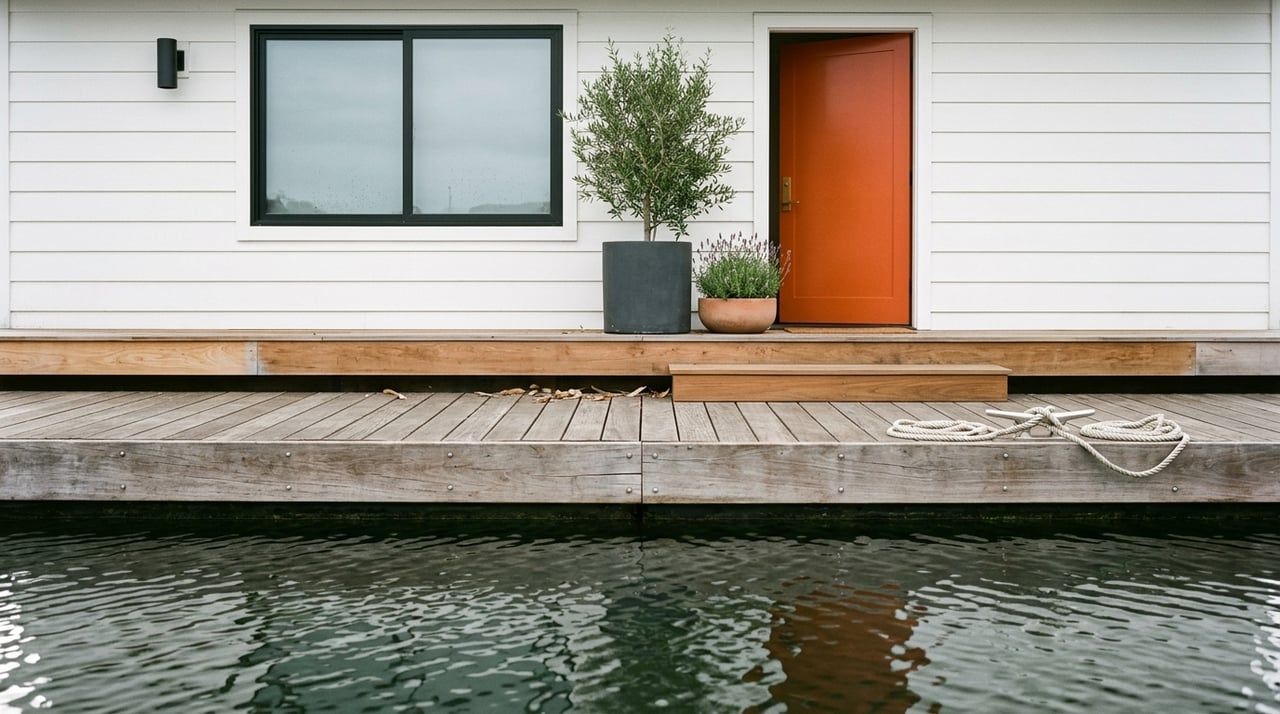
One of the biggest surprises for buyers is that living on the water in Sausalito usually does not follow the same ownership model as a traditional single-family home. In most floating-home communities, you own the home itself, but the marina or harbor owns the berth infrastructure, docks, utility lines, parking areas, and common spaces. The berth is typically leased.
The Floating Homes Association compares this setup to a mobile-home park structure. That does not make it informal or unusual for the area. It simply means your due diligence needs to cover both the home and the berth agreement.
This housing type is not a tiny niche in Sausalito. The Floating Homes Association represents more than 400 homes across five floating-home marinas, which shows that floating-home living is an established part of the local housing landscape.
Waterfront communities have different personalities
Not every waterfront property in Sausalito offers the same experience. Some settings feel more private and residential, while others have a stronger cooperative or maritime culture. That variation is part of what makes the market interesting.
Waldo Point Harbor is one of the best-known examples. It is a privately owned 282-berth floating-home marina at the north end of Richardson Bay, where residents own their homes and lease their berths. Its postwar history helps explain why the area has such a distinct identity today.
Galilee Harbor reflects a different model. It is a member-run cooperative made up of artists and maritime workers, which gives it a character that may feel very different from a more conventional residential setting. For buyers, that is a reminder to look closely at governance, community structure, and day-to-day expectations before making assumptions.
Floating homes are sold as real estate
Another important point is that legal floating homes in Sausalito are not treated like ordinary boats. Marin County says a floating home is a full-time home on the water with no motor, permanent shore-side sewage connection, and dependence on shore utilities. The county treats floating homes as real property for tax purposes.
That distinction matters for both valuation and the transaction process. In many cases, floating homes are sold through standard brokerage channels rather than through a marina office. Waldo Point Harbor, for example, states that its office does not maintain a for-sale list and that homes are normally sold through traditional real estate firms.
For buyers and sellers, this creates a more familiar path than many expect. At the same time, the details of the berth lease, transfer rules, and marina policies can be just as important as the pricing and condition of the home.
Daily life follows the tides
Living on the water in Sausalito comes with rhythms that land-based housing does not have. The most obvious is the tide cycle. According to the Floating Homes Association, the Bay rises and falls twice a day by roughly 2 to 8 feet.
That movement is not just a scenic detail. Some homes float at high tide and sit on the mud flats when the water drops. For many residents, this becomes part of the everyday experience, but it is something you should understand clearly before you buy.
The upside is that the lifestyle can feel immersive and calming in a way few neighborhoods can match. The tradeoff is that the environment is always active, and your home responds to it.
Utilities and maintenance are more specialized
Waterfront living also changes the practical side of homeownership. Floating homes use shore-connected systems for utilities and waste handling, and each home has a holding tank and pump connected to the dock and shore. Nothing is allowed to go over the side.
That rule is reinforced at the bay level. Richardson Bay Regional Agency treats the bay as a no-discharge zone and states that trash or sewer dumping is strictly prohibited. For buyers, this means maintenance and operations are not casual matters. They are part of a regulated waterfront environment.
This is one reason why experienced local guidance matters. A beautiful home on the water may still require a deeper review of utility systems, dock conditions, and marina responsibilities than a typical home on land.
Weather is part of the lifestyle
The views may be serene, but the conditions can be dynamic. Richardson Bay Regional Agency reports that summer afternoon winds often reach 20 to 30 knots from the west, with the Sausalito hillside amplifying wind effects. In winter, storms can bring gale-force winds.
That does not mean waterfront living is inherently difficult. It means the setting asks more of the home, its systems, and your expectations. Buyers who love the water often see that as part of the appeal, but it is still wise to approach it with open eyes.
If you are comparing a floating home with a hillside or inland property in Southern Marin, weather exposure is one of the clearest day-to-day differences. It is not better or worse by default. It is simply a distinct lifestyle choice.
Walkability and ferry access add real convenience
One reason many buyers are drawn to Sausalito’s waterfront is that the lifestyle is not only scenic. It can also be efficient. The Floating Homes Association notes that floating-home living often uses space efficiently and supports walkable or bike-friendly daily routines.
That can mean easier trips to shops, the library, or groceries without relying on a long drive. For some buyers, especially those moving from larger estates or more car-dependent neighborhoods, this compact pattern is a major benefit.
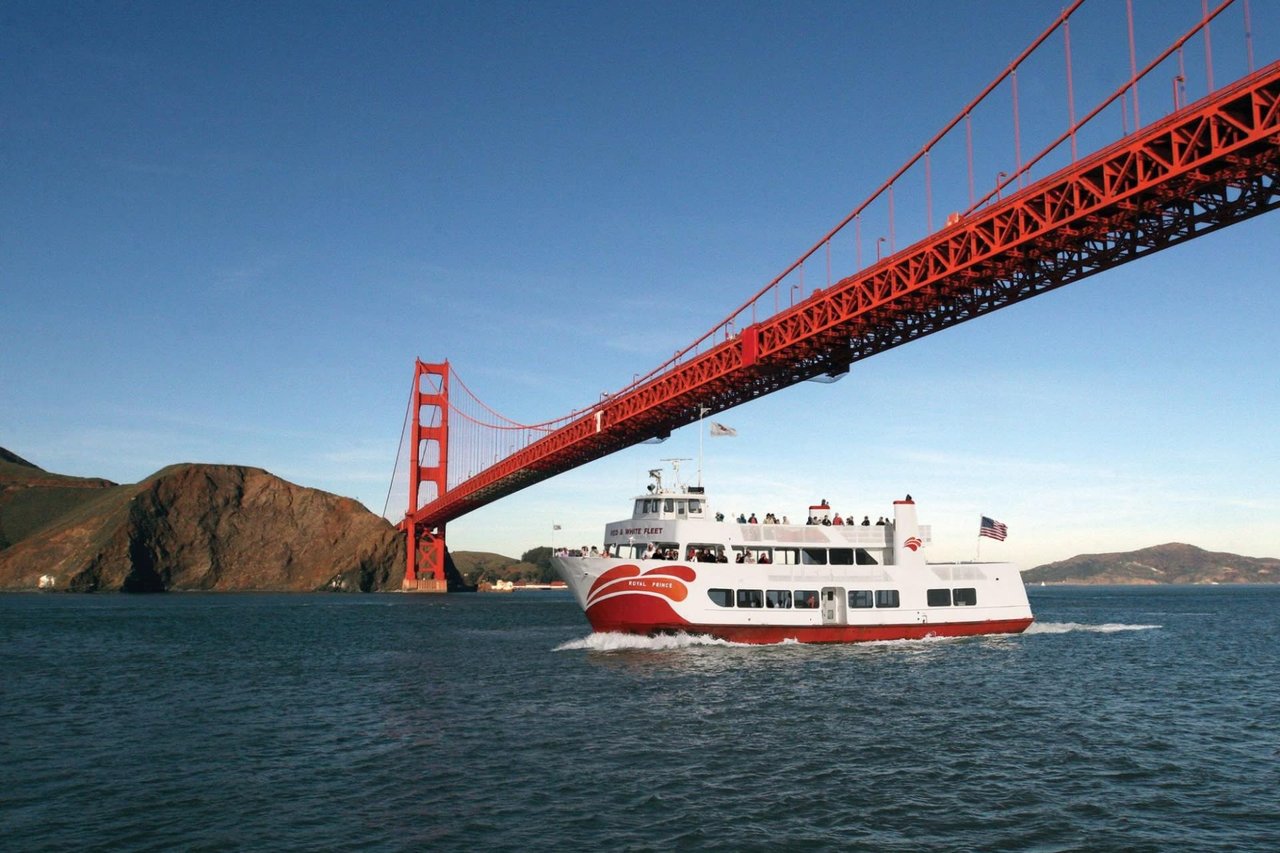
Ferry access also plays an important role. Golden Gate Ferry operates daily service between Sausalito and San Francisco, with schedules that vary by time of day, day of week, and season. The district is also improving the Sausalito terminal boarding system to function better in all tide conditions, which speaks to how central waterfront mobility is here.
Fees, rules, and governance matter
If you are serious about buying a floating home, the legal and financial structure deserves careful attention. California’s Floating Home Residency Law gives residents important protections related to access, common-area use, meetings with management, and notice requirements for rent increases. It also limits certain fees and caps security deposits at two months’ rent.
For Marin buyers, local rent regulation is especially relevant. Official 2025 bill text for AB 754 extends Marin-specific floating-home rent protections through January 1, 2038 and adds rules affecting certain in-place transfers and marina fees.
The practical takeaway is simple: berth fees, lease terms, transfer conditions, and marina governance can shape ownership almost as much as the home’s design and location. The Floating Homes Association says berth fees can vary based on berth size, home size, and distance from shore, and many fees include water, garbage, sewage, parking, and common-area maintenance.
Do not confuse floating homes with anchoring
This is an area where buyers should be especially careful. Legal floating-home living in Sausalito is very different from informal anchoring in Richardson Bay. The two are not interchangeable.
Richardson Bay Regional Agency states that the bay is a 72-hour anchorage, not a storage yard or marina. It also notes that there is no anchoring in the eelgrass protection zone and that longer stays require a permit.
If you are shopping for a true residential waterfront property, you should focus on legally recognized floating homes and marina-based communities. That is the framework that supports financing, taxation, utility service, and predictable residential use.
The lifestyle has deep local roots
Part of Sausalito’s appeal is that waterfront living here is not manufactured from scratch. It grew out of a postwar mix of maritime reuse, artists, writers, boatbuilders, and working waterfront culture. Waldo Point Harbor’s history reflects that evolution, and the Floating Homes Association has long advocated for homeowner rights and environmental stewardship.
That identity still shows up in local institutions and events. Galilee Harbor highlights Maritime Day with boatbuilding demonstrations, open boats, live music, and bay rides, while the city’s waterfront network reflects an unusually dense concentration of boating, harbor, and maritime organizations.
For buyers, this cultural layer can be a meaningful part of value. You are not only buying a water view. You are buying into a waterfront setting with established traditions, routines, and community ties.
Sea level rise is part of smart due diligence
No serious conversation about living on the water in Sausalito is complete without talking about shoreline resilience. The city’s sea-level-rise guidance makes an important distinction: floating homes themselves can function as an accommodation strategy, but the roads, utilities, sewer systems, stormwater systems, ferry parking, and shoreline parks that support daily life remain vulnerable.
That is a key point for buyers. The home may float, but the surrounding land-based infrastructure does not. Long-term value and livability depend in part on how the waterfront system adapts over time.
This should not be treated as a reason to avoid the market. It should be treated as a reason to evaluate it thoughtfully. In a place as supply-constrained and lifestyle-driven as Southern Marin, clear due diligence is often what turns a beautiful property into a confident purchase.
What buyers should focus on first
If you are considering living on the water in Sausalito, start with the practical questions before you fall in love with the view.
- Confirm whether the property is a legally recognized floating home
- Review the berth lease, transfer terms, and monthly fee structure
- Understand which utilities and services are included
- Ask about dock systems, holding tank setup, and maintenance responsibilities
- Evaluate weather exposure and access during varying tide conditions
- Look at the broader shoreline infrastructure, not just the home itself
- Compare the community culture and governance of each marina or harbor
For many buyers, the right waterfront home is a highly personal choice. The details matter, and so does matching the property to the lifestyle you actually want.
If you are weighing a waterfront purchase in Sausalito or comparing it with other high-end options across Southern Marin, working with an advisor who understands both the lifestyle and the transaction structure can help you avoid expensive assumptions. If you want discreet, informed guidance on waterfront opportunities and the broader Marin market, Eric Schmitt can help you evaluate the fit with clarity and confidence.
FAQs
What makes living on the water in Sausalito different from owning a house on land?
- In many Sausalito floating-home communities, you own the home but lease the berth, while the marina owns the docks, utility lines, parking, and common areas.
How are Sausalito floating homes taxed in Marin County?
- Marin County treats qualifying floating homes as real property for tax purposes rather than as vessels.
What daily lifestyle factors should buyers expect in Sausalito floating homes?
- Buyers should expect regular tidal movement, specialized utility and waste systems, weather exposure, and often a more walkable routine tied closely to the waterfront.
What rules and fees matter when buying a floating home in Sausalito?
- Berth fees, lease terms, transfer rules, marina governance, included utilities, and resident protections under California floating-home law are all important parts of due diligence.
Is anchoring in Richardson Bay the same as living in a Sausalito floating-home marina?
- No. Richardson Bay is a regulated 72-hour anchorage, while floating-home marinas are recognized residential communities with berth agreements and shore-based infrastructure.
Why should buyers consider sea level rise when looking at Sausalito waterfront homes?
- Even though floating homes can rise with the water, the roads, utilities, sewer systems, parking, and shoreline access that support daily life remain vulnerable and are part of the long-term ownership picture.