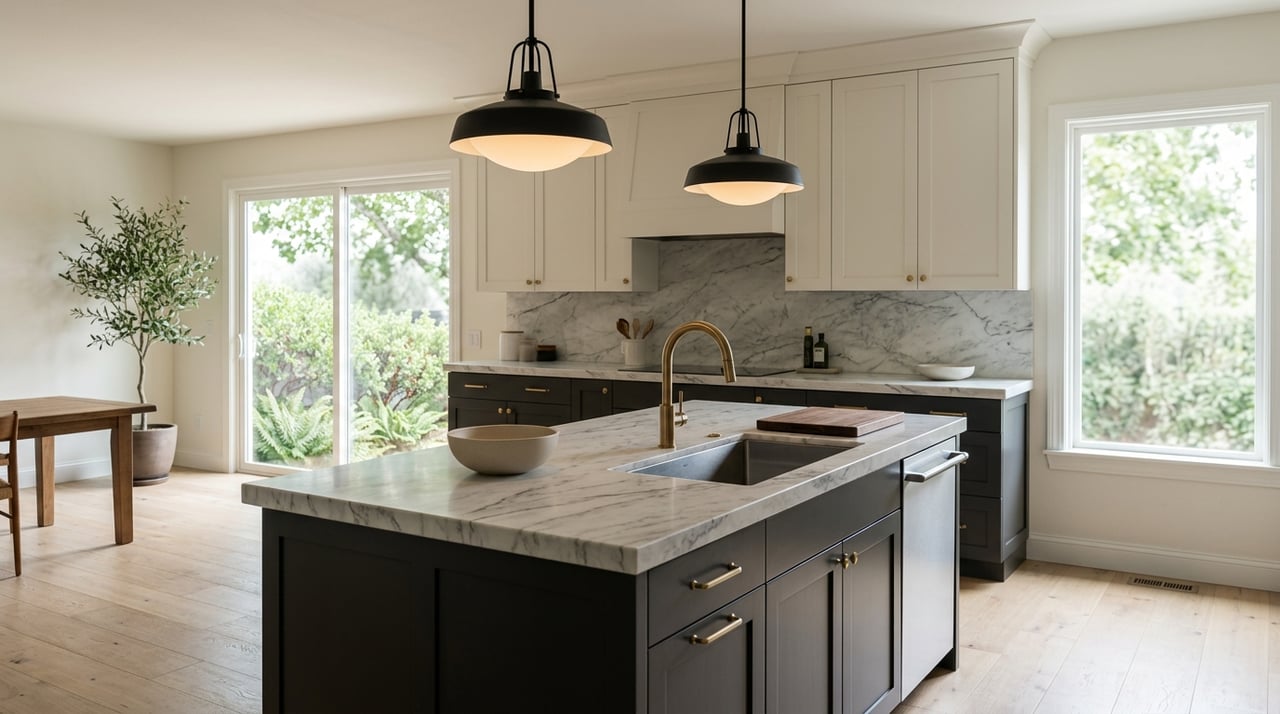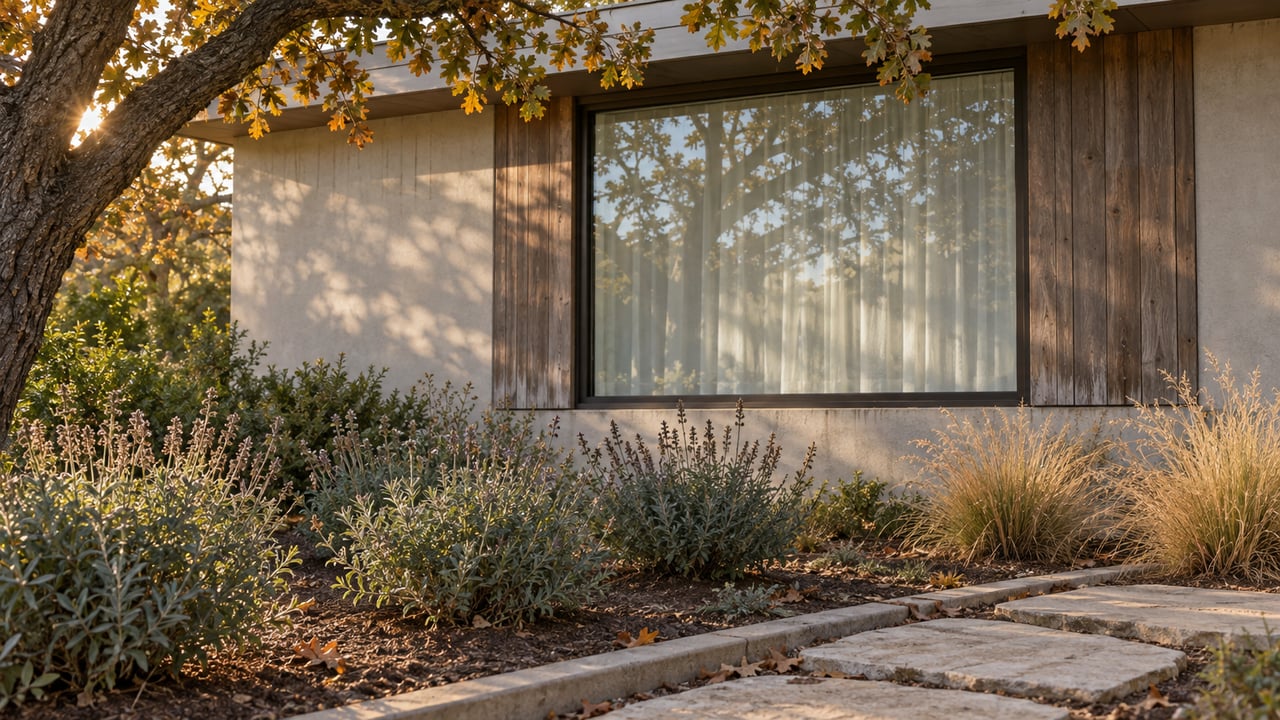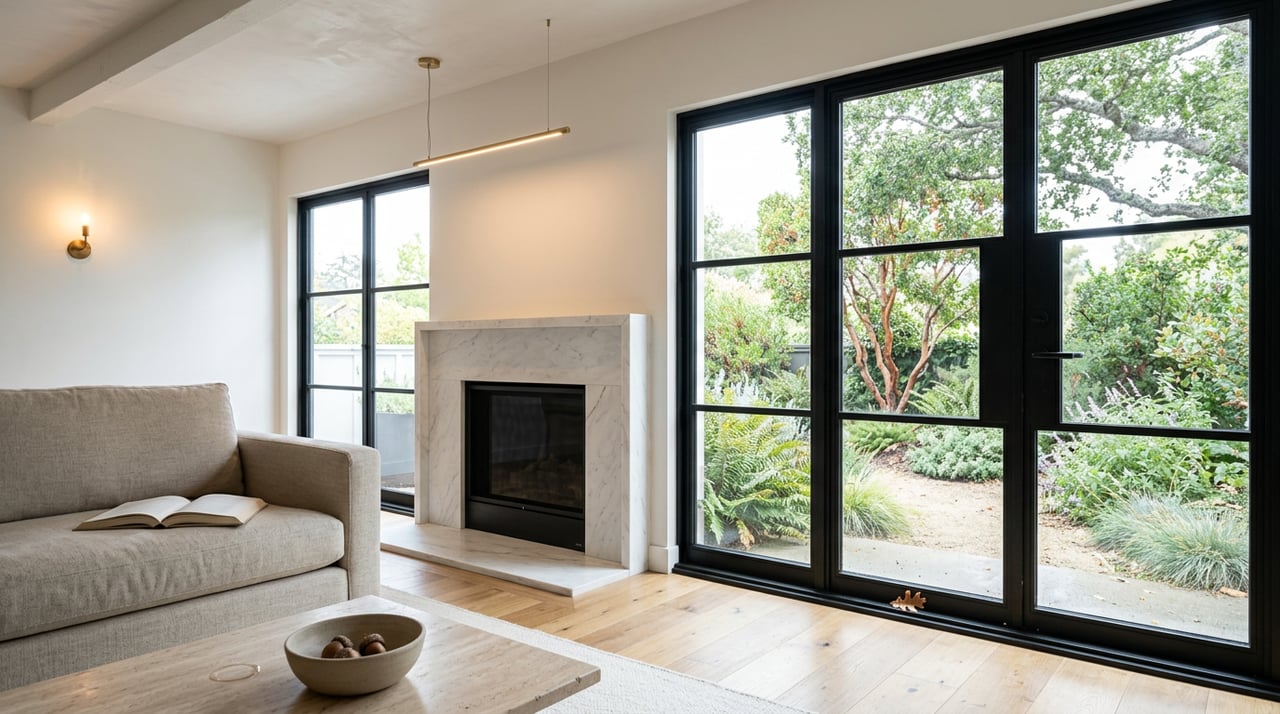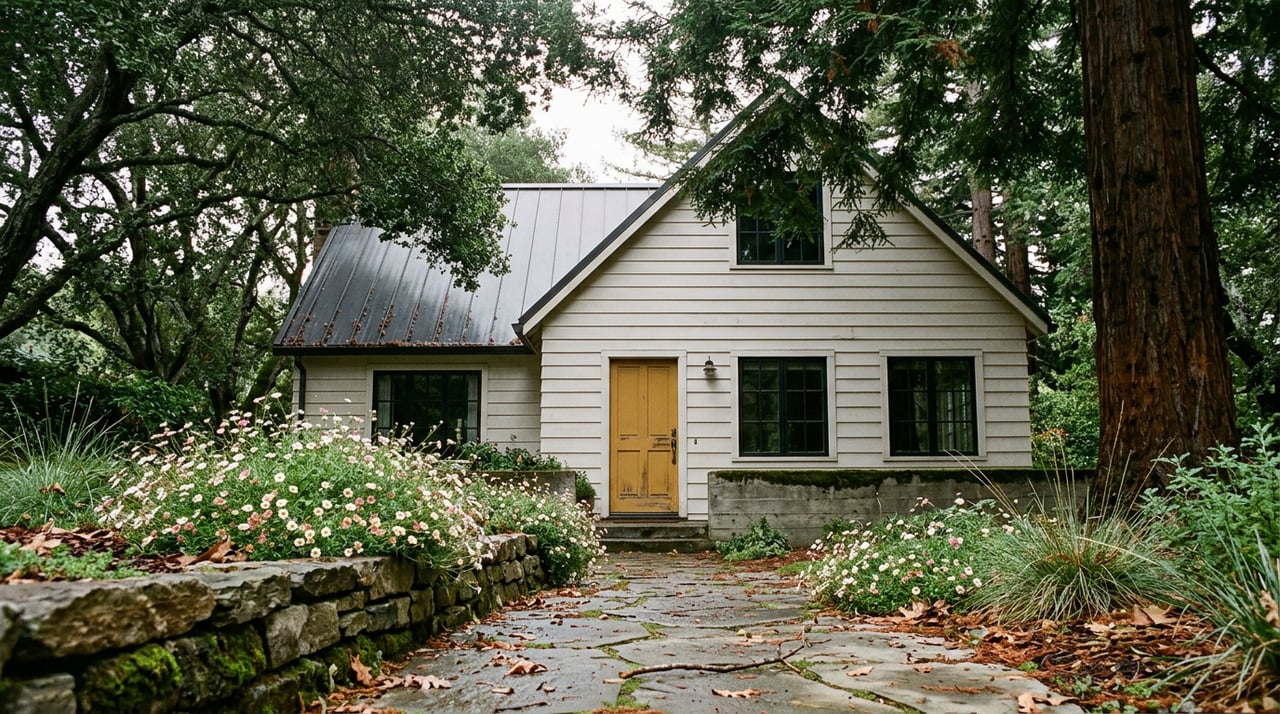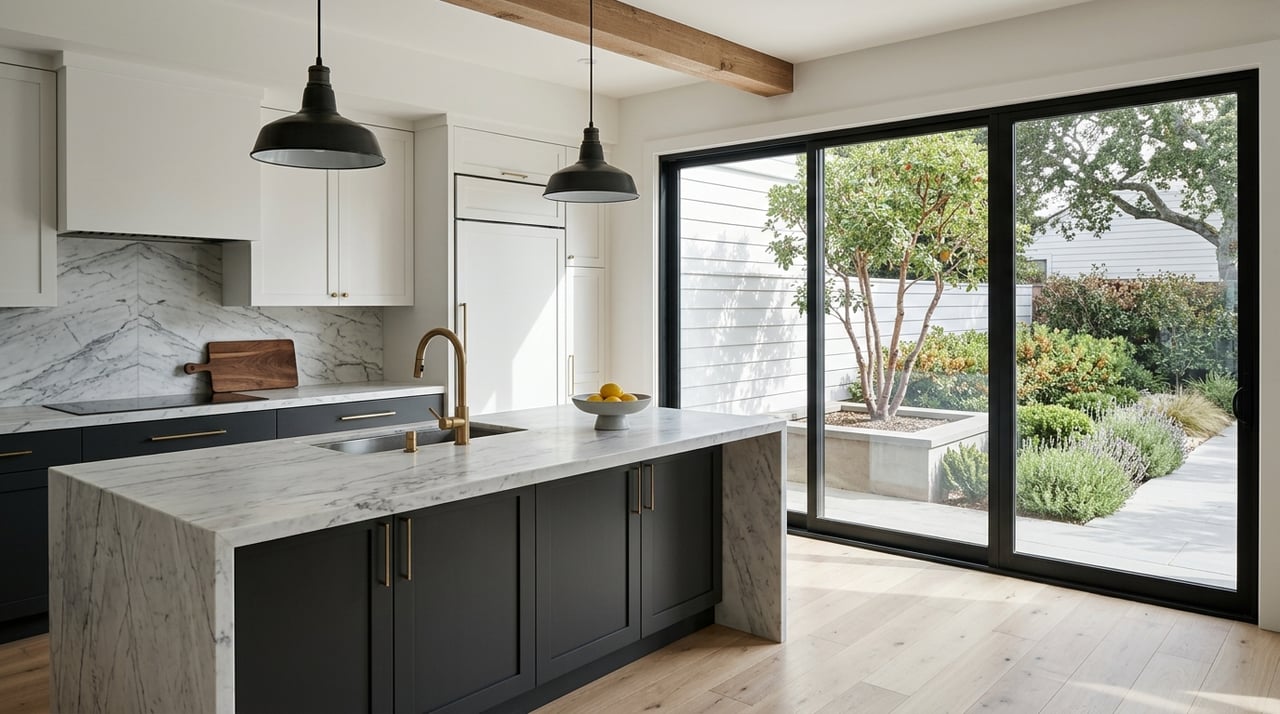
Thinking about selling a 1+ acre Ross estate and wondering where to price it? You are not alone. Estate-scale properties in 94957 live in a niche market where land, privacy, architecture and buyer preferences drive value more than broad medians. In this guide, you will see current pricing context, the exact factors high‑net‑worth buyers pay for, appraisal realities unique to Ross, and a step-by-step plan to position your property for a premium outcome. Let’s dive in.
Ross pricing today
Ross is a small, luxury market. Typical home values in town sit in the high‑single‑ to low‑multi‑million range, with the Zillow Home Value Index reporting roughly $3.7–$3.8 million through February 28, 2026. Redfin’s median sale price has hovered near $2.95–$3.0 million in recent months as of February 2026. These figures differ because each source uses its own methodology and a tiny number of monthly sales.
The small sample size matters. Data providers note that Ross sees only dozens of sales per year, which makes medians jumpy and sensitive to a few large closings. ATTOM’s market pages confirm the low transaction volume in 94957.
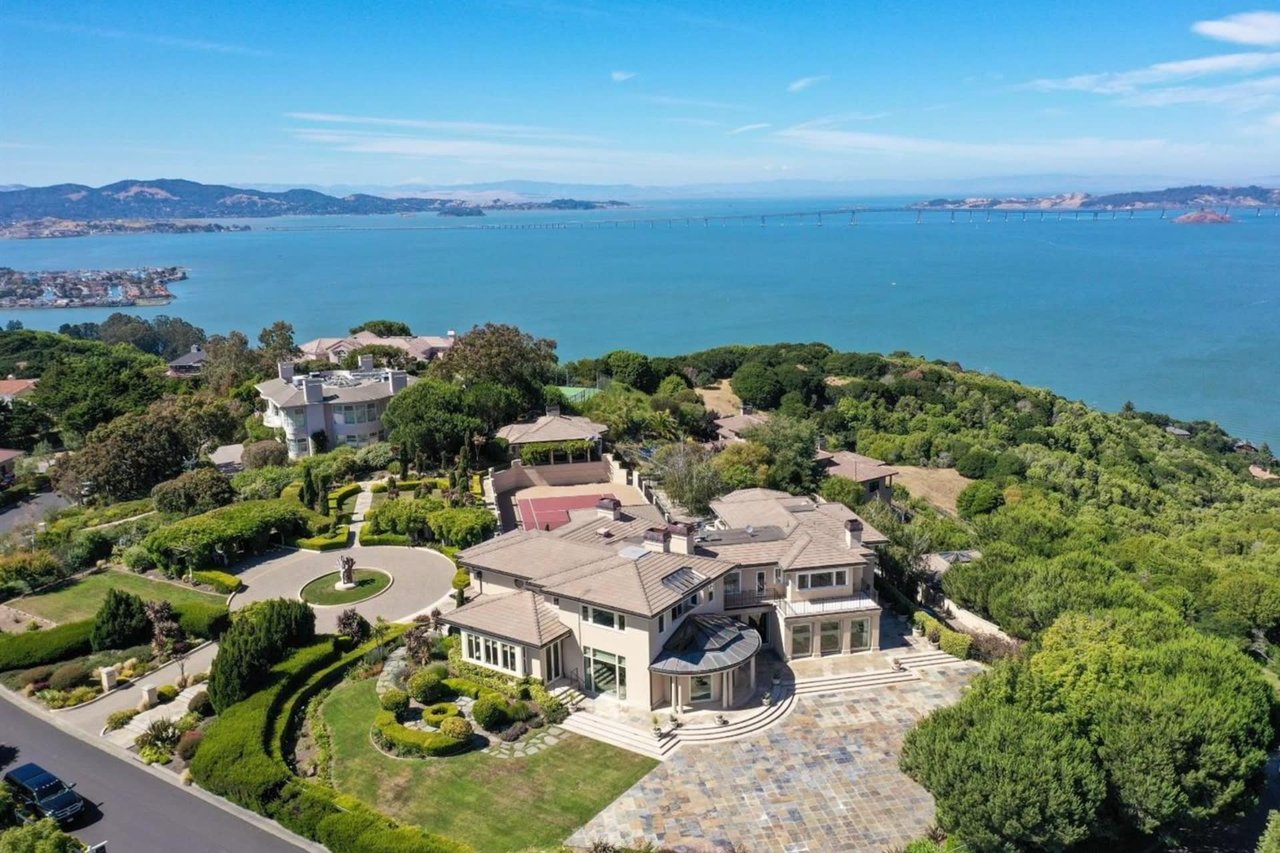
For estate‑scale parcels, practical pricing bands often start in the mid‑$3 millions and run into the $5–$12 million range depending on lot scale, architecture and condition. Exceptional legacy estates can reach above $10–$14 million. Recent 2024 sales in Ross included multiple closings between $9 million and $14 million. Use these as examples, not guarantees, and calibrate to your specific land, improvements and buyer pool.
What drives estate‑level value
Land and zoning
In Ross, land is not just acreage. Zoning districts, minimum lot sizes and hillside rules directly shape what is buildable, which supports premiums for larger, well‑situated parcels. The Town’s zoning summary details residential sub‑districts with minimum lot areas that rise into 1‑acre and 5‑acre bands. Hillside provisions also affect floor‑area calculations. If your parcel sits in a stricter band or on steeper terrain, allowable square footage and expansion options change, and so does land value.
How to use it: document your lot size, zoning, slope conditions and any prior approvals. If you have a recent survey or FAR analysis, include it in your property dossier.
Privacy and location
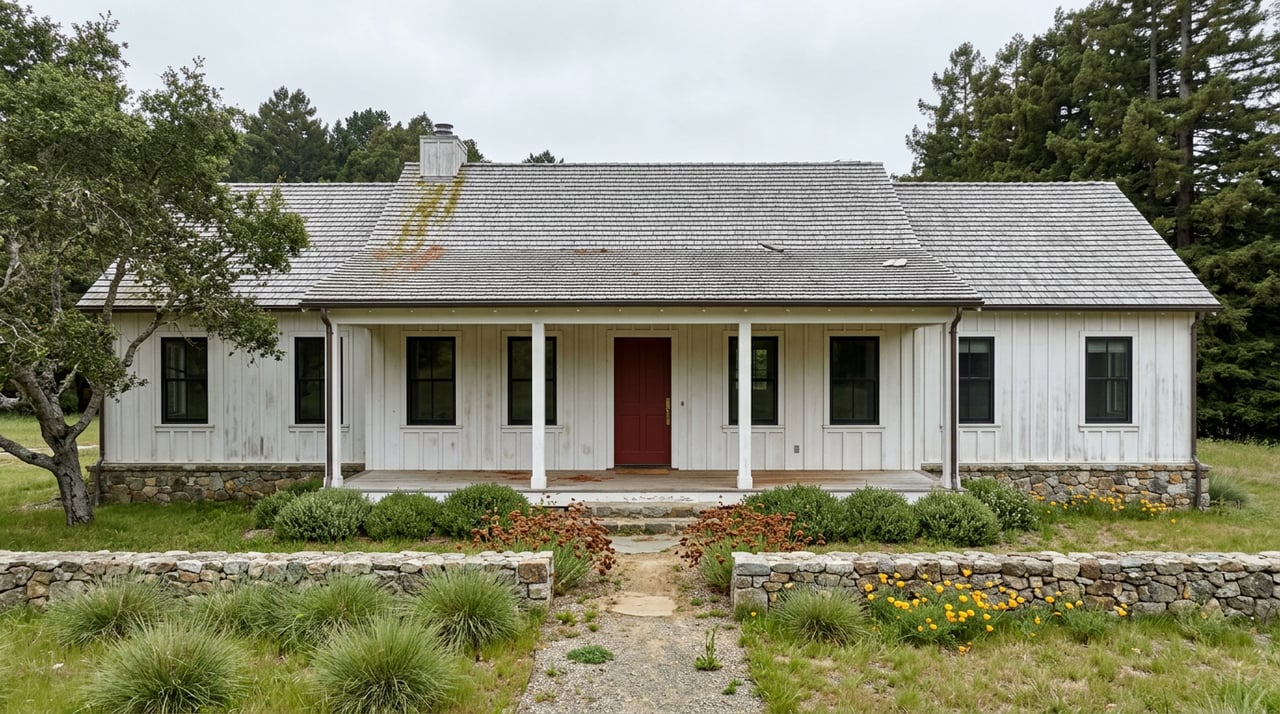
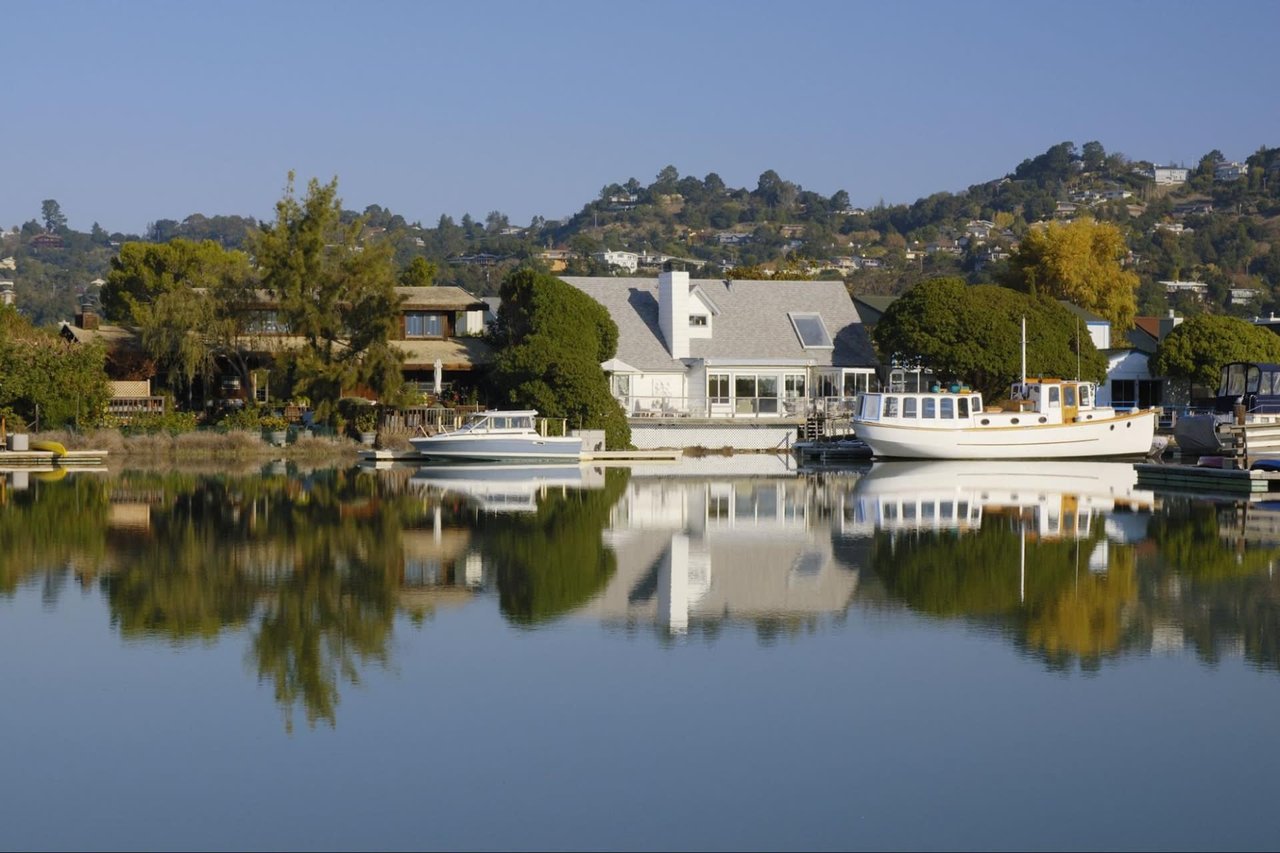
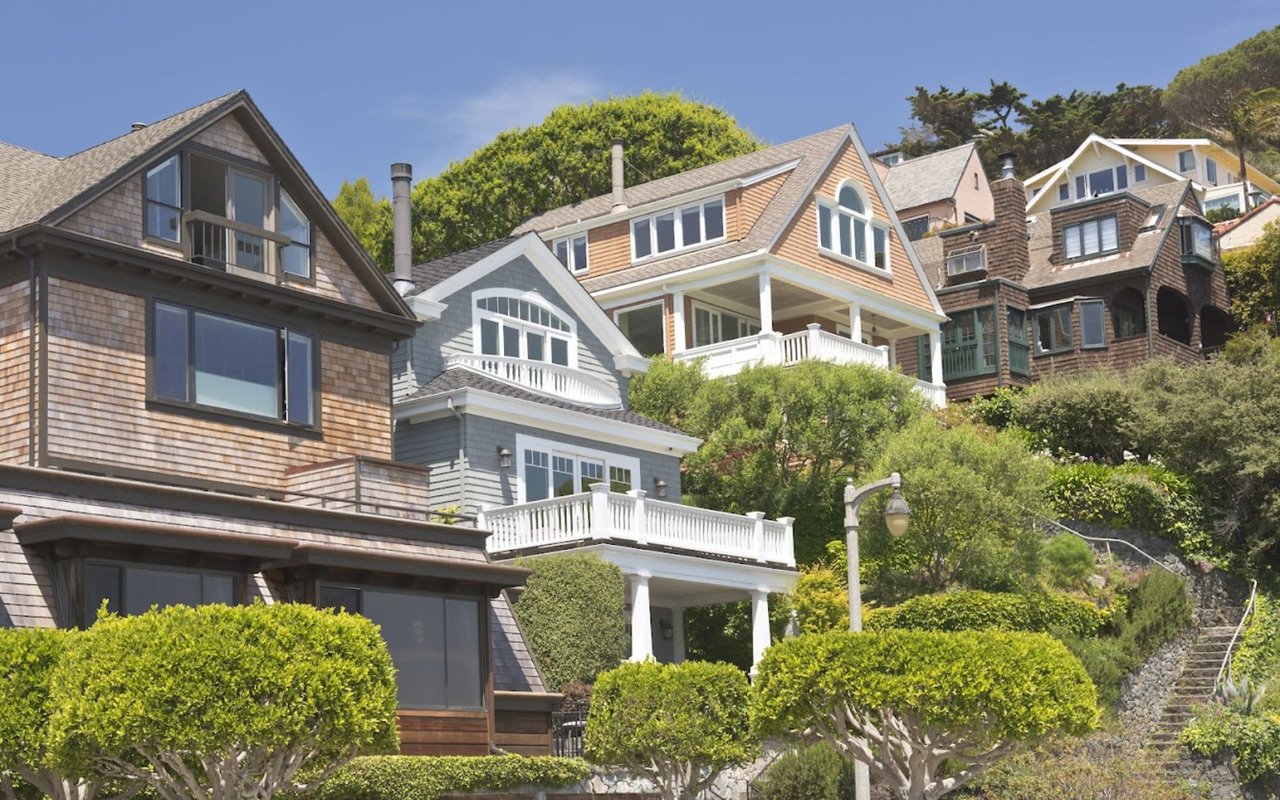
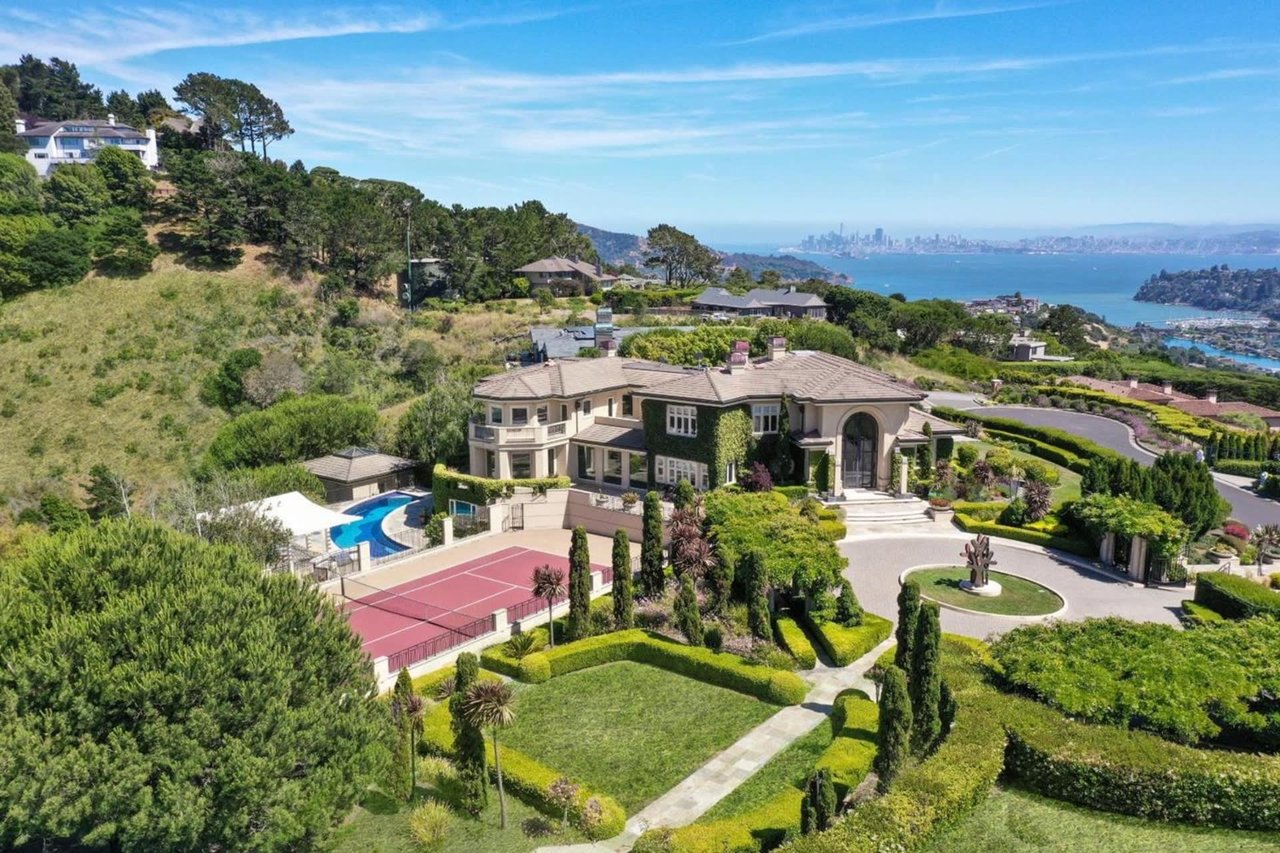
Buyers in this tier consistently value privacy, setback, tree canopy and immediate access to Ross amenities like Ross Common, nearby trails and open space. The small‑town valley setting with quick reach to greater Bay Area hubs is part of the premium calculus. The Town’s community resources page offers a snapshot of local institutions often considered in a buyer’s location choice.
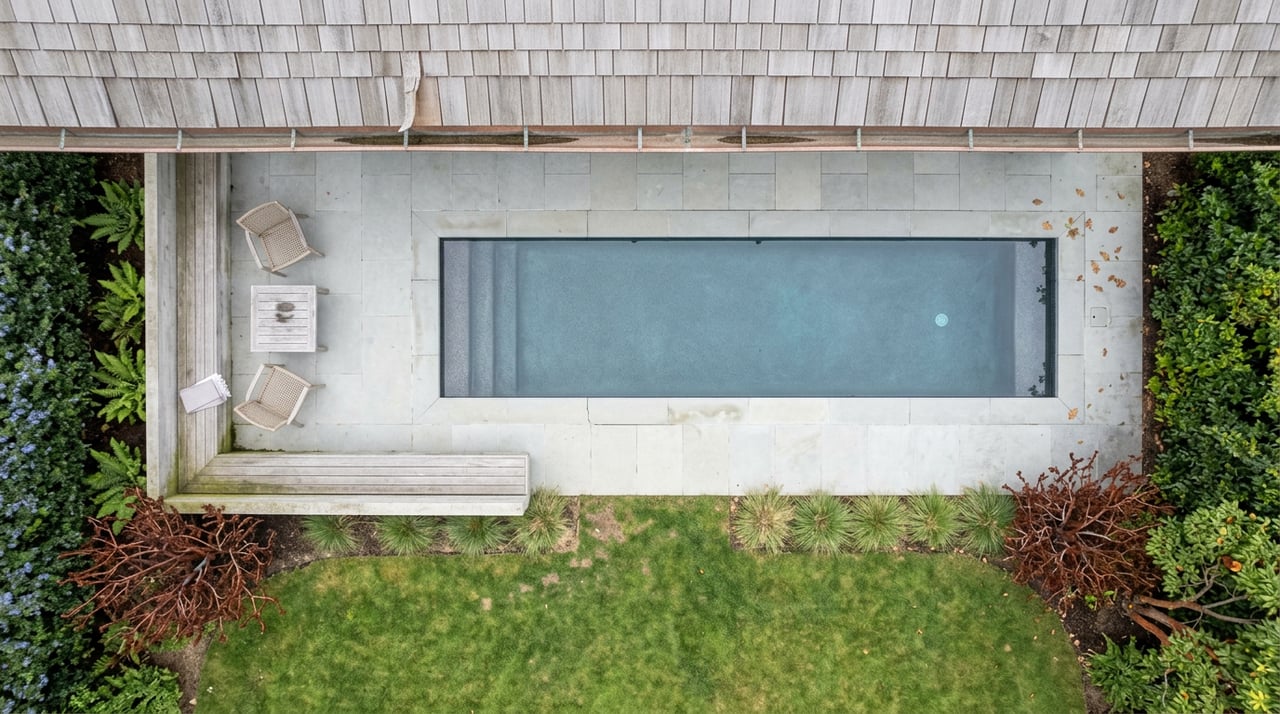
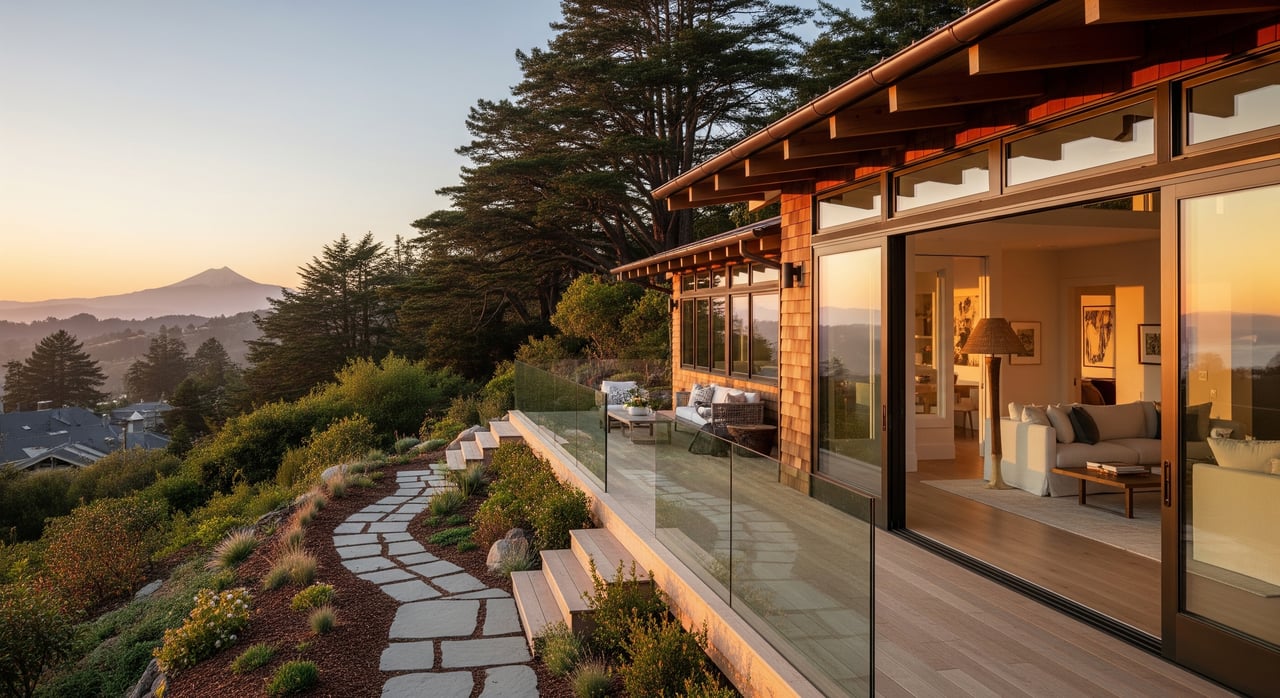
How to use it: highlight sightlines, screening, approach, and proximity to recreation in your marketing. Drone and architectural photography that shows separation from neighbors can add perceived value.
Architecture and provenance
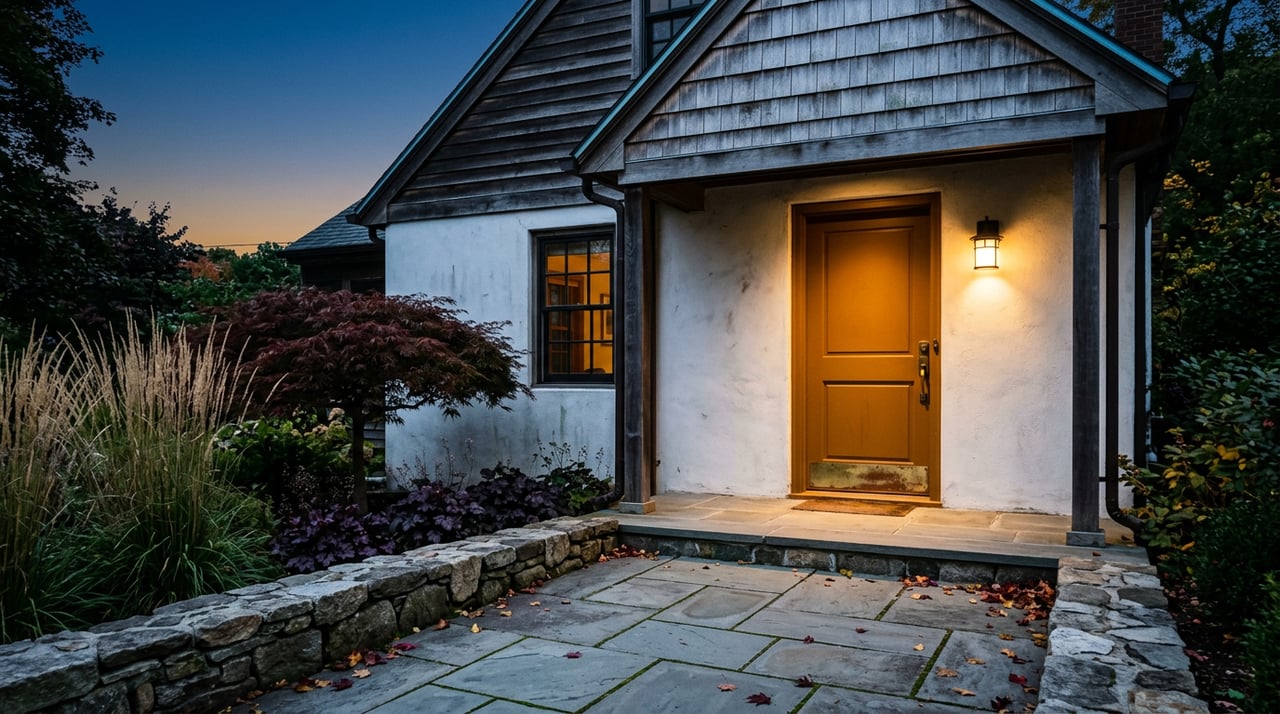
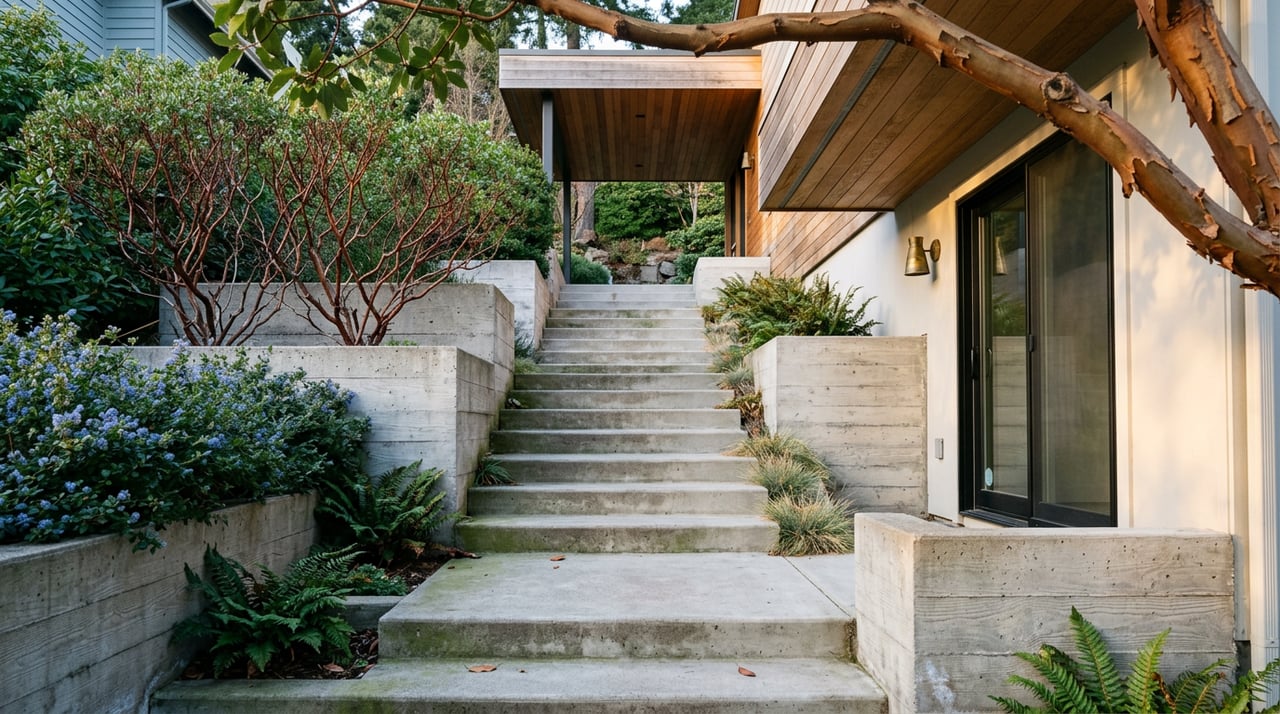
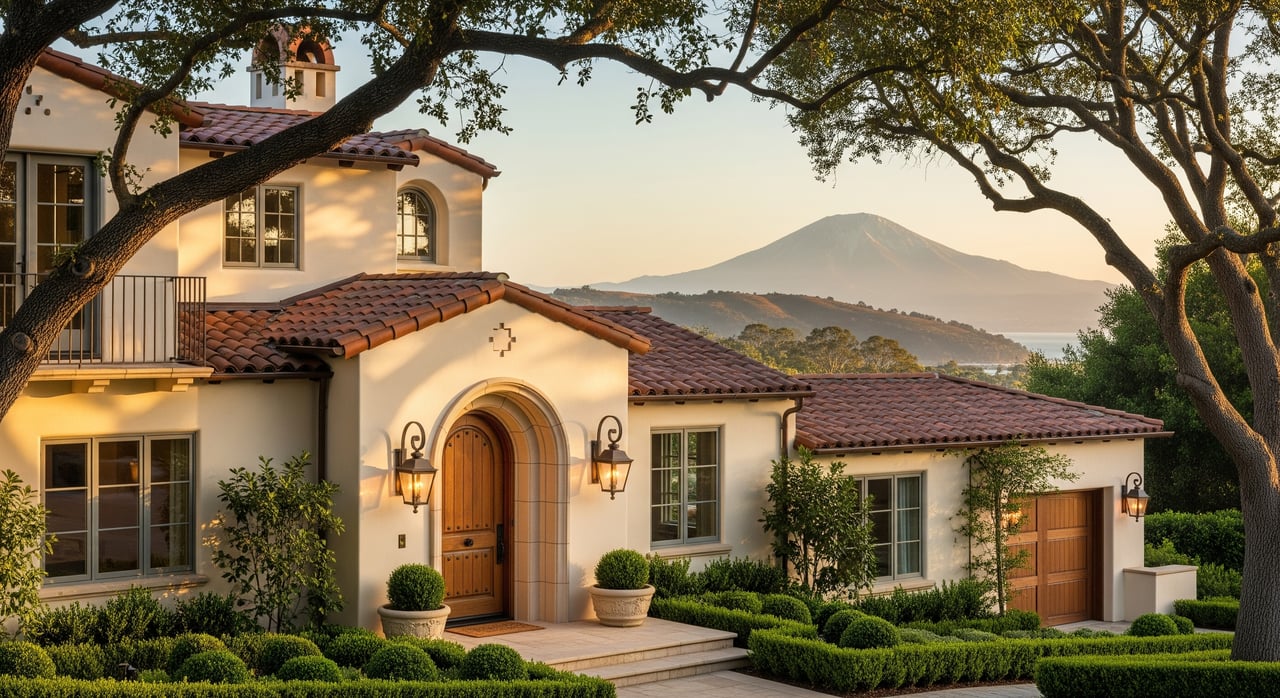
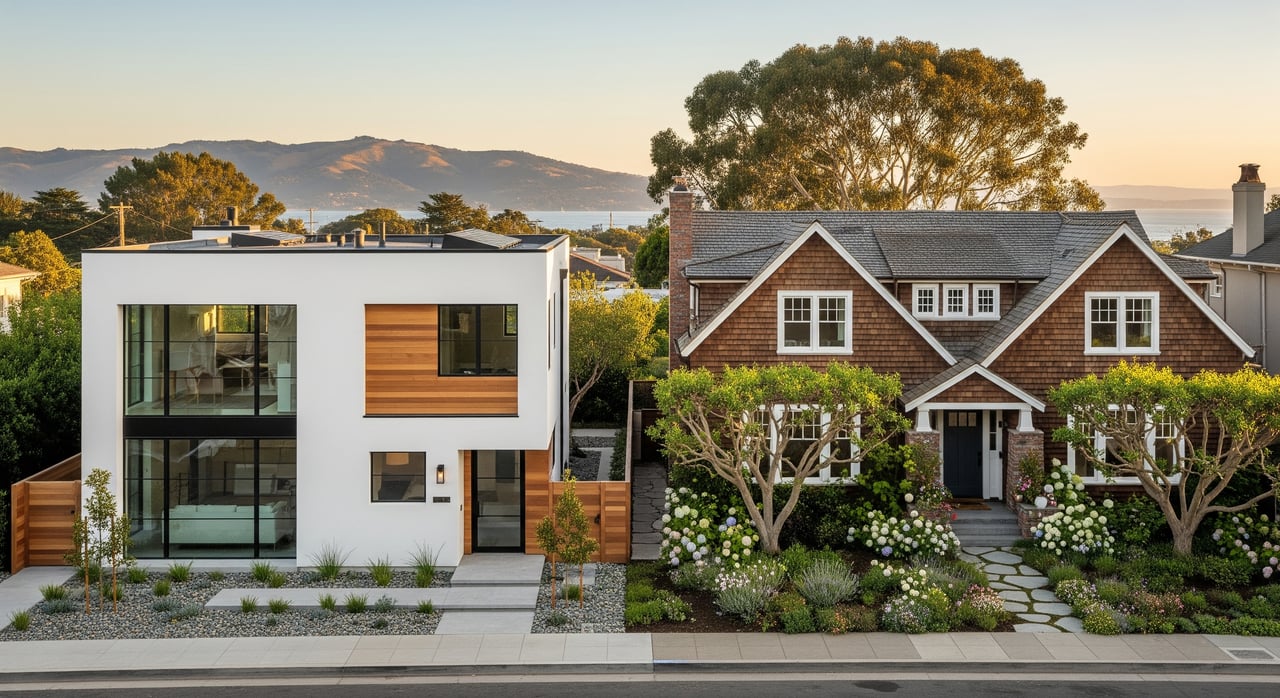
Architecturally significant estates, period‑correct restorations or homes by notable designers often command a premium because supply is scarce and the buyer pool is deep. Public luxury marketing examples, such as this designer estate release, show how bespoke narratives and presentation can justify pricing above generic comparables.
How to use it: curate a narrative around the architecture, materials, and any historic elements. Provide plans, permits and renovation invoices to help appraisers and buyers quantify quality.
Schools and education
Proximity to Ross School (K–8) and nearby private schools, including Branson, is a consistent selection factor for family buyers. While you cannot price a home by school alone, short commutes and local education options are repeatedly cited by buyers in this market. Reference the Town’s schools and organizations listing for context.
How to use it: present neutral, factual distance and commute information. Avoid subjective claims about quality; let buyers research independently.
Renovation and permits
Renovation potential is both an opportunity and a constraint in Ross. The Town requires building permits and plan checks, and many larger projects go through design review with possible Council involvement. Hillside rules and ADU pathways add complexity. Start with the Town’s building page to understand process and documentation.
How to use it: compile a clean permit history, previously approved plans, and any ADU feasibility studies. Clear documentation can raise buyer confidence and speed underwriting.
Wildfire and insurance
Parts of Ross lie within mapped High or Very High Fire Hazard Severity Zones, and insurance availability has tightened across many California high‑risk ZIP codes. The Town’s recent safety and housing element study notes wildfire mapping and mitigation as active planning items. Research from Resources for the Future outlines how wildfire exposure affects insurance availability and affordability in California.
How to use it: present a wildfire‑hardening summary with invoices and current insurance status. Buyers and lenders will ask, and being prepared reduces friction.
Appraisal reality for unique estates
Approaches appraisers use
When close comparables exist, appraisers prefer the Sales Comparison Approach. For unique or special‑design estates, the Cost Approach to estimate reproduction or replacement cost often supports or bounds value when comps are scarce. Industry literature on special‑purpose properties explains why cost‑based support rises as uniqueness increases; see this overview on valuing special‑purpose property. The Income Approach is rarely primary unless the parcel has a market‑based income stream.
Common friction points
- Scarce local comps force wider adjustments and sometimes older or geographically broader sales.
- Outbuildings and amenities, like guest houses or studios, require plans, permits and market support for adjustments.
- Lenders expect USPAP‑competent appraisers with experience in high‑value assignments. See the standards from The Appraisal Foundation.
Why a pre‑listing appraisal helps
For estate‑scale properties, a pre‑listing appraisal by a local, luxury‑experienced appraiser can reduce the risk of an appraisal gap later. It also identifies value‑dragging issues early, from deferred maintenance to title exceptions. Use it as a ceiling test and a tool to educate both buyers and their lenders.
Pricing strategy that works now
Calibrate to clear bands
- Land floor: anchor a conservative floor to land value, as‑is improvements and a lot premium tied to zoning and privacy.
- Turnkey midpoint: support a midpoint with recent Ross or nearby Marin estates of similar function, finish and acreage.
- Legacy ceiling: justify top‑of‑market pricing only when architecture, provenance, privacy and recent top sales align. 2024 produced several Ross closings in the $9–$14 million range, which serve as useful context for ceiling setting.
Choose exposure intentionally
High‑profile estates sometimes sell through controlled exposure, like office‑exclusive or NDA showings, to protect privacy. Others benefit from full MLS launch to maximize competition. Both are compliant when handled correctly under MLS rules. For a balanced view of pocket listings and clear‑cooperation considerations, see this guide to pocket listings and their trade‑offs.
Practical path many Ross sellers use:
- Quiet launch to a vetted broker network for price feedback.
- Adjust pricing or presentation based on early signals.
- Full launch if broader competition will strengthen your position.
Pair pricing with presentation
Luxury buyers respond to clarity and craft. Invest in architectural photography, a curated property narrative, and a secure digital data room with surveys, permits, plans, wildfire‑hardening documentation and major renovation invoices. This reduces buyer diligence time and strengthens appraisal support.
Prepare to sell: your checklist
Before you set a list price, build a tight dossier that removes friction and supports value. Start early so your timeline is your choice, not the buyer’s.
- Title and land: recorded deed, ALTA title report with exceptions, and recent survey/parcel map.
- Property history: permit folder, plans, inspection reports, and invoices for major renovations. Reference the Town’s building resources for permit records and process.
- Site specifics: septic/sewer records, arborist/tree survey, slope or drainage reports, and any easements.
- Wildfire and insurance: proof of home‑hardening work, defensible space, and current insurance status; see the Town’s safety study and statewide research on insurance constraints.
- Valuation support: commission a pre‑listing appraisal from a USPAP‑competent appraiser experienced with high‑value Marin properties. Bring plans and invoices to the appraisal meeting.
- Marketing assets: architectural photography, sitemaps, floor plans, and a virtual data room for qualified buyers.
- Outreach plan: targeted broker previews, and selective outreach through wealth managers, attorneys and family‑office channels. This aligns exposure with your privacy and price goals.
Work with a Ross specialist
Pricing an estate‑scale property in Ross is part data, part design, and part discretion. You want an advisor who can read tiny‑market signals, position your land and architecture correctly, and deliver a marketing‑first plan that reaches the right buyers without sacrificing privacy. If you are considering a sale in 94957, request a confidential home valuation with Eric Schmitt. Eric blends Marin‑native insight, Coldwell Banker Global Luxury reach and a boutique, hands‑on approach to help you set a defensible price and achieve a clean, premium result.
FAQs
How should I choose a list price for a 1+ acre Ross estate?
- Start with land and zoning constraints, calibrate to recent estate‑scale sales for function and privacy, then set a ceiling only if architecture and provenance support it. A pre‑listing appraisal can validate the range.
What makes appraisals tricky for Ross estates in 94957?
- Scarce comparables, unique amenities and wide adjustment ranges are common; experienced, USPAP‑competent appraisers often use both sales and cost approaches for support.
Does wildfire risk affect pricing and insurance for Ross properties?
- Yes. Portions of Ross fall in high fire‑hazard zones, which can affect insurance availability and buyer confidence; document mitigation and current coverage to reduce friction.
Should I sell my Ross estate off‑market for privacy?
- Controlled exposure can protect privacy but may limit competition; a staged approach that starts quietly and expands if needed lets you test price without overexposing the asset.
What documents should I assemble before listing a Ross estate?
- Deed and title exceptions, survey, permits and plans, renovation invoices, septic/sewer records, arborist reports, and wildfire‑hardening proof belong in a secure buyer data room.