Ever wonder what daily life feels like when your neighborhood sits between a lively small-town center and protected hillside open space? In Fairfax, that balance is a big part of the appeal. If you are considering a move to one of the town’s hillside areas, it helps to understand how the setting shapes everything from your morning coffee run to weekend trail plans. Let’s dive in.
Fairfax Hillside Living at a Glance
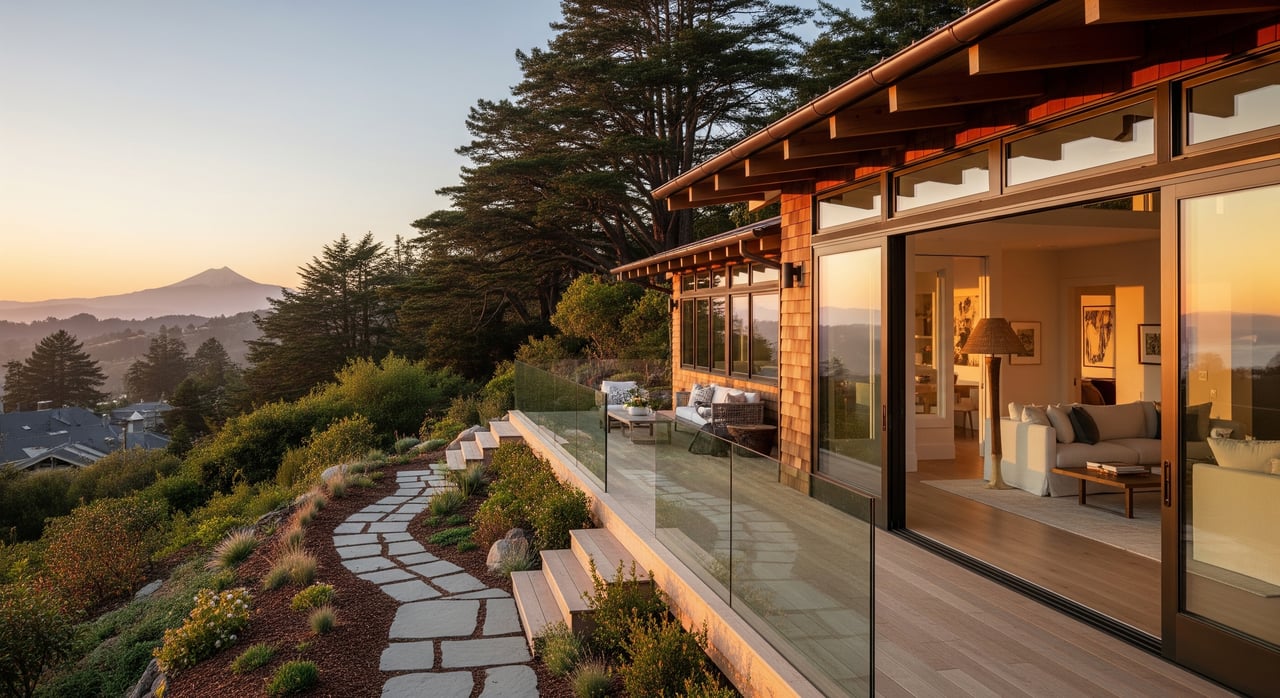
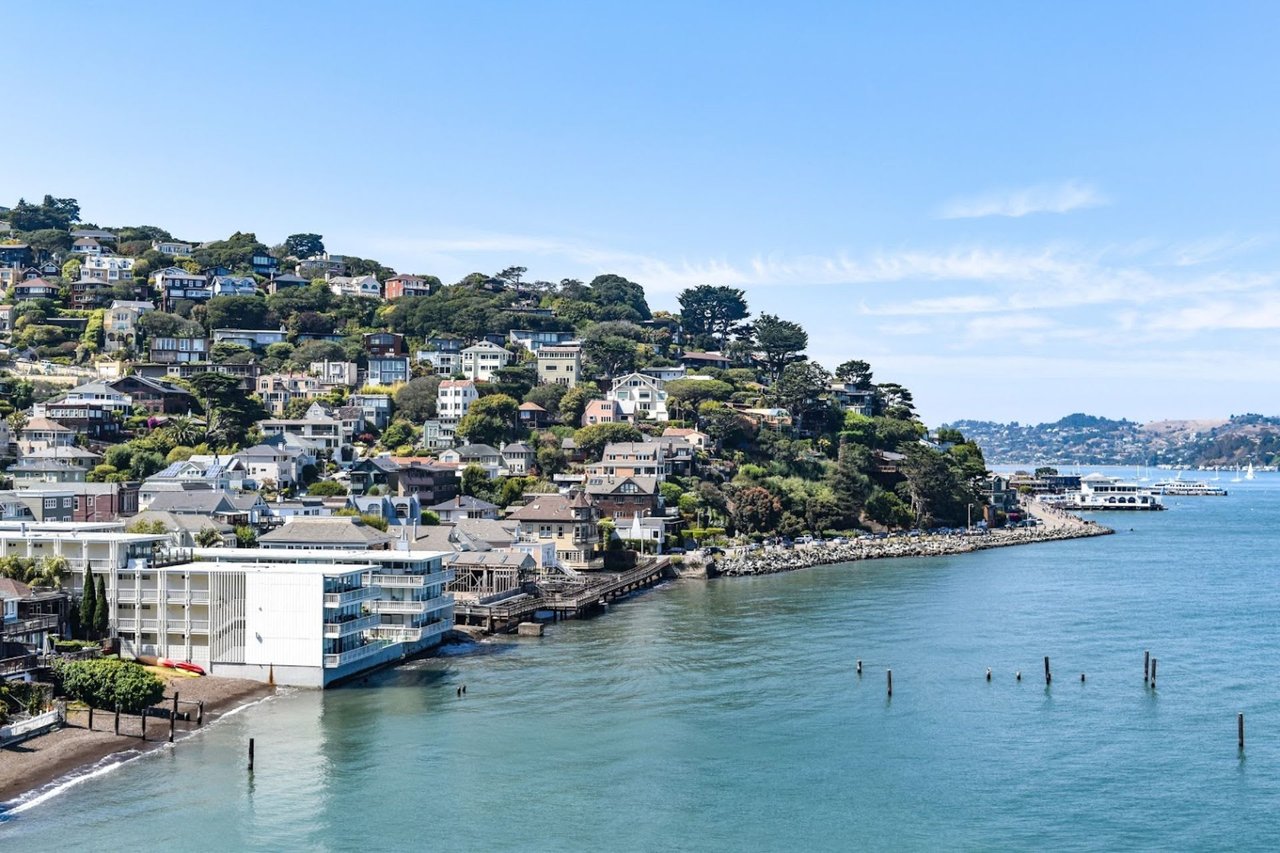
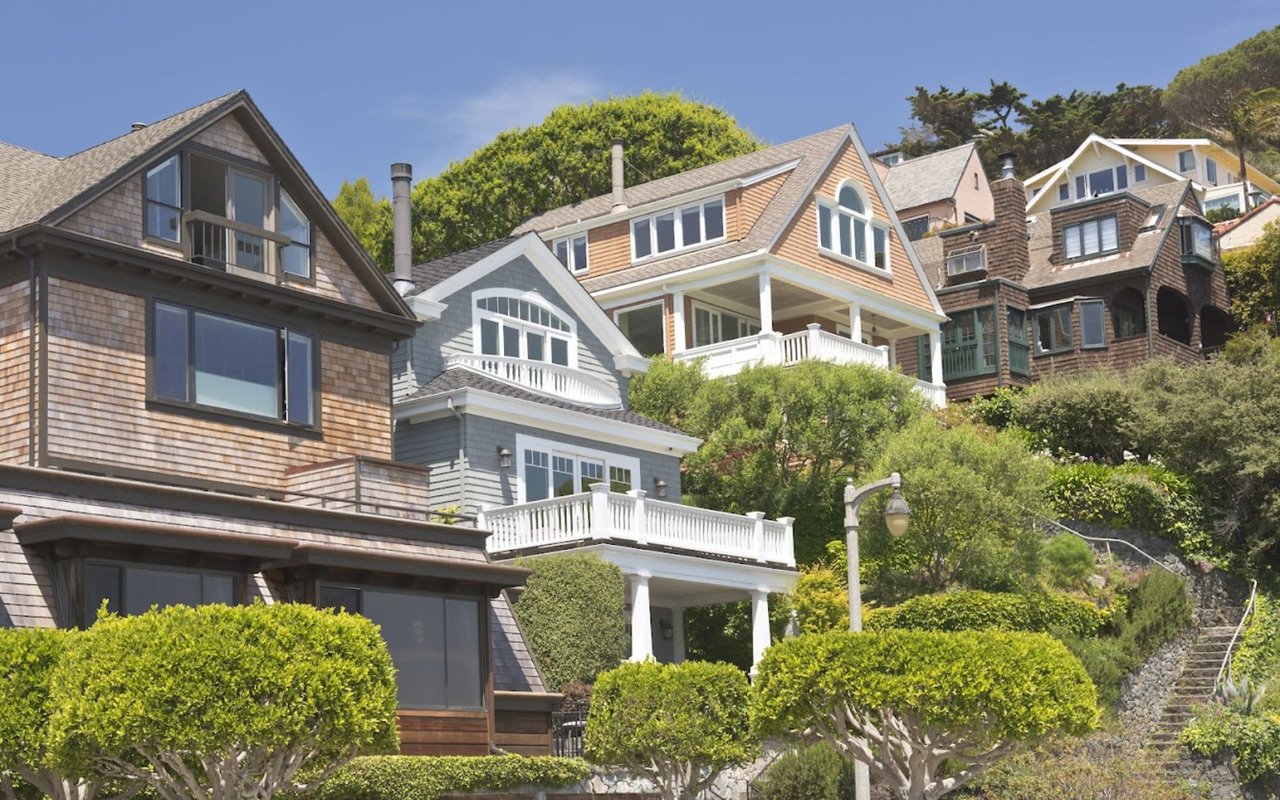
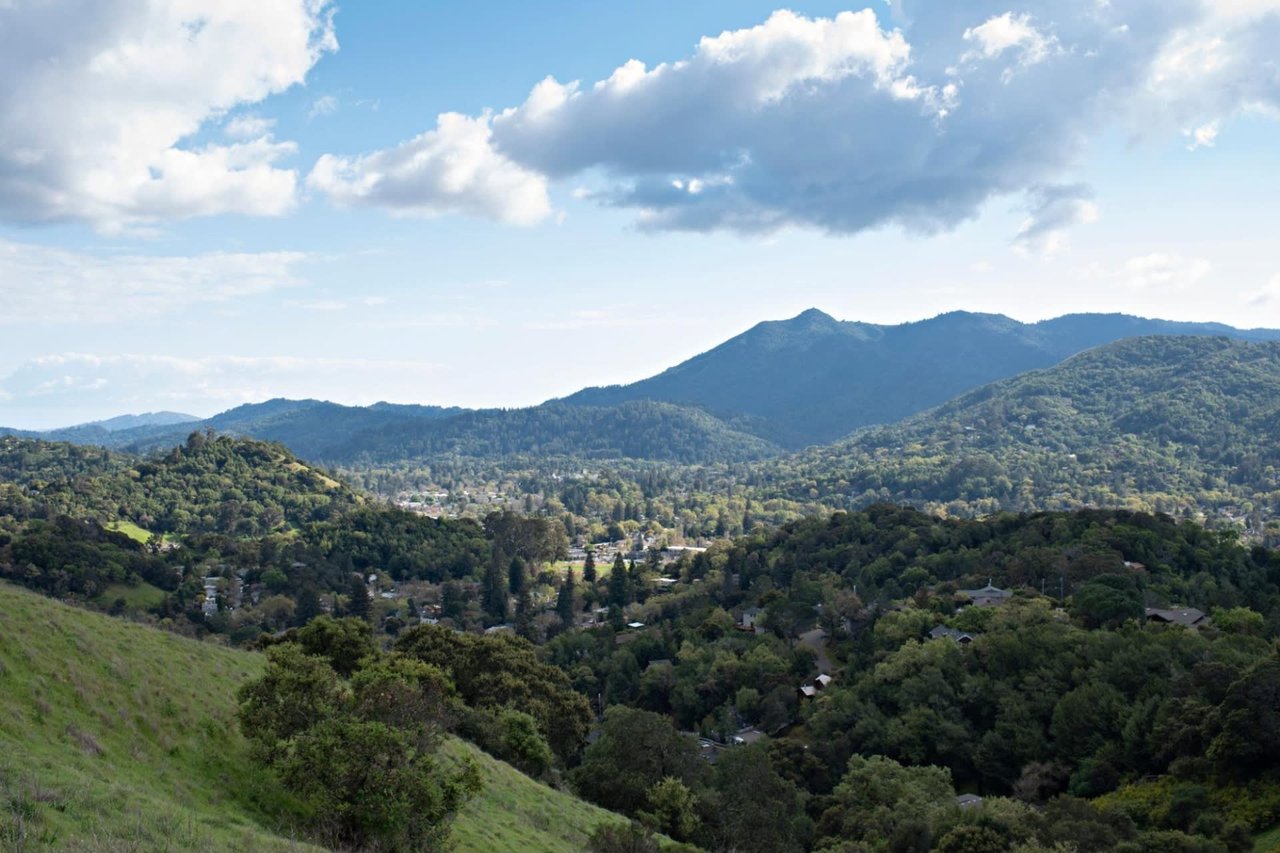
Fairfax has a village-like feel that comes from its distinct town center, where businesses and residences sit close together and many daily needs are within walking or bicycling distance. At the same time, oak-studded hills and forested slopes frame the town, giving many residential areas a tucked-away, nature-connected feel.
That combination is what makes the hillside neighborhoods stand out. You are not choosing between town life and outdoor access. In many parts of Fairfax, you get a little of both.
What a Typical Day Can Feel Like
In practical terms, everyday life often moves between the downtown core and the hills. You might start with a quick errand or coffee in town, then head back home to a quieter residential setting with more trees, slope, and separation from the center.
Fairfax also supports a car-light routine better than many small towns, at least in part. The core is walkable, and Marin Transit routes 23, 625, and 68 connect Fairfax with San Anselmo, San Rafael, Lagunitas, and West Marin.
That said, hillside living can still make a car useful for some routines. Depending on your exact location, steep streets, trail access logistics, and day-to-day scheduling may make driving the easier option some of the time.
Downtown Access Matters
One of the biggest lifestyle advantages in Fairfax is how much energy comes from the town center. The town describes its core as a blend of businesses and residences, with restaurants, clubs, and an Art Deco movie theater that help shape the evening scene.
For hillside residents, this means you may be able to enjoy a more private home setting without feeling cut off from activity. A quick trip down the hill can connect you to errands, dining, community events, and casual social routines.
That village-like layout also creates a rhythm that feels human-scaled. Instead of relying on long drives for every outing, many residents can weave downtown into normal weekly life.
Outdoor Access Is Part of the Routine
The hills around Fairfax are not just scenic. They are closely tied to a broader open-space system that the town has worked to preserve, including wooded hillside parcels and nearby natural areas.
For many residents, the Mt. Tam Watershed becomes part of normal life. Marin Water notes that the watershed includes about 150 miles of trails and roads for hiking, biking, horseback riding, picnicking, and fishing, with daily access from 7 a.m. to sunset.
Sky Oaks, off Fairfax-Bolinas Road, is one of the key access points. If trails are central to your lifestyle, it is worth knowing that parking passes are required there and access can be limited during Red Flag Warnings, construction, or extreme conditions.
Hillside Homes Have Character
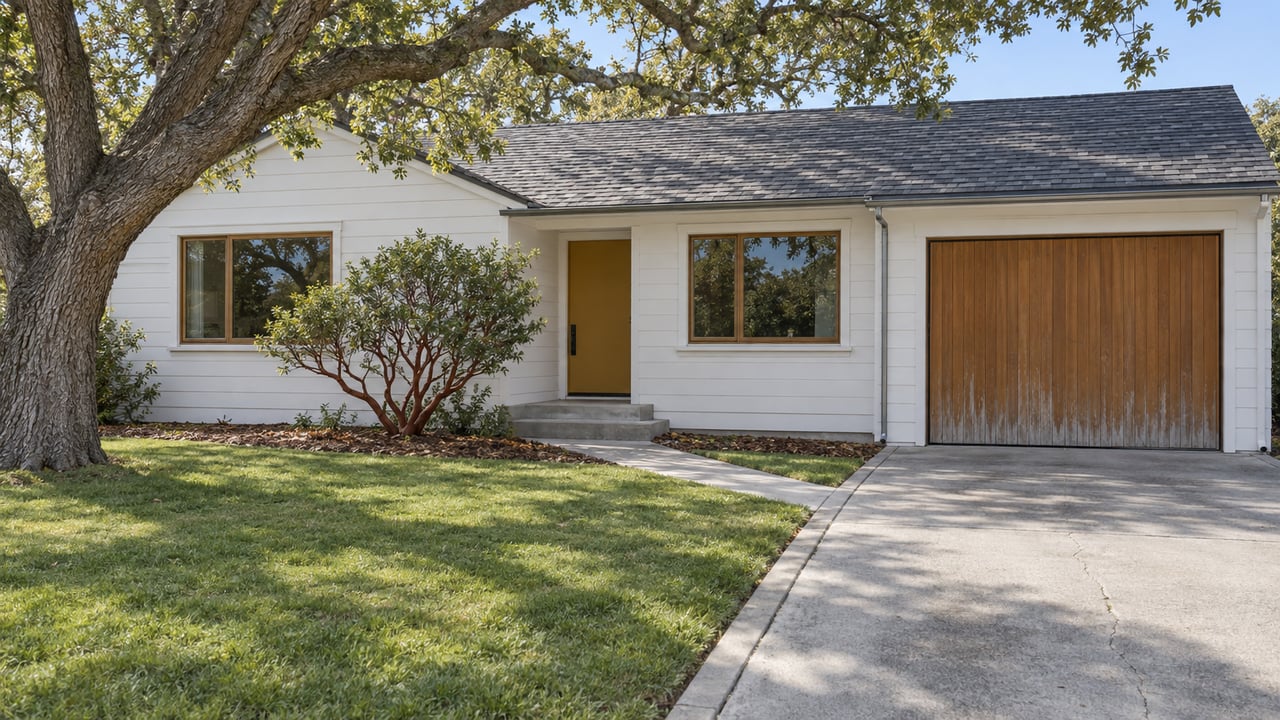
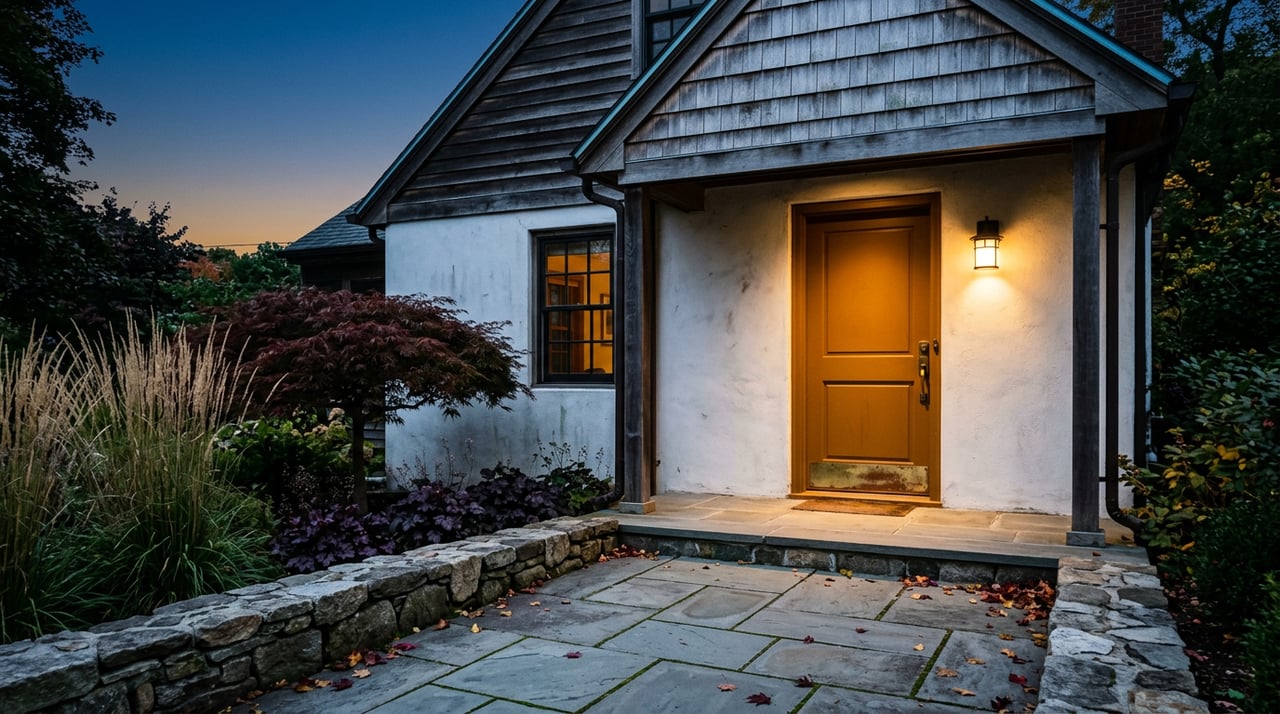
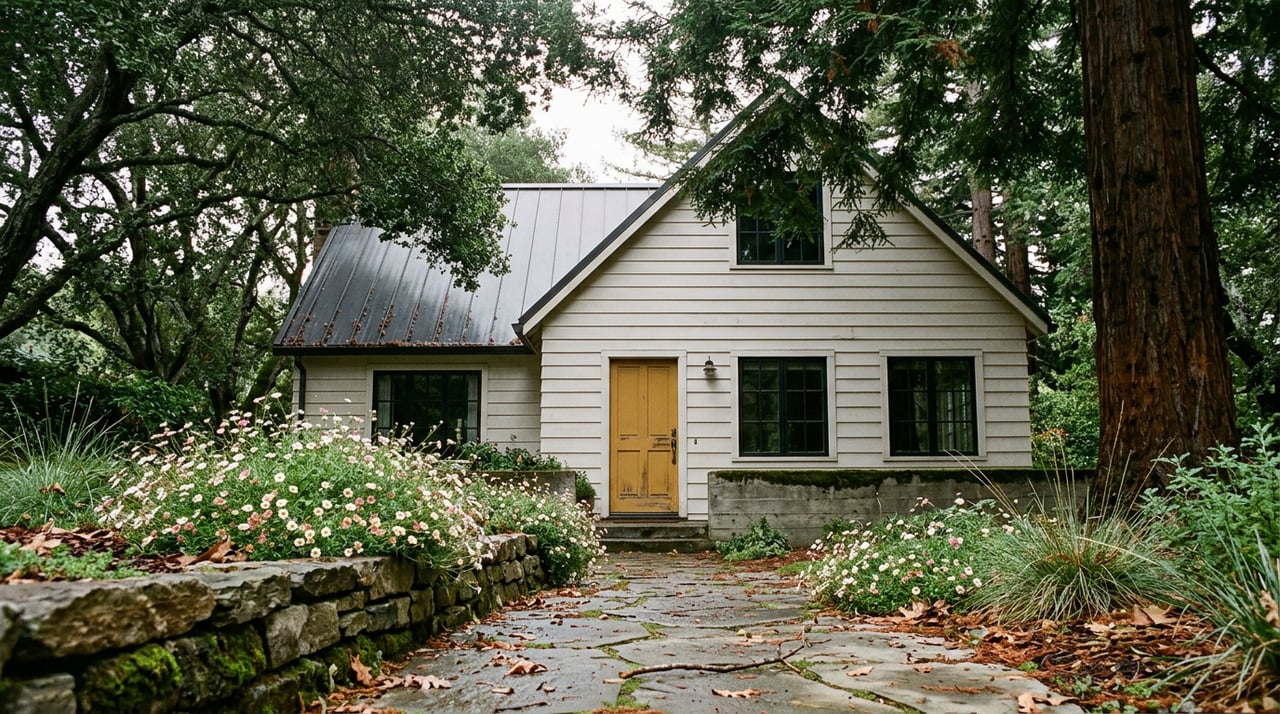
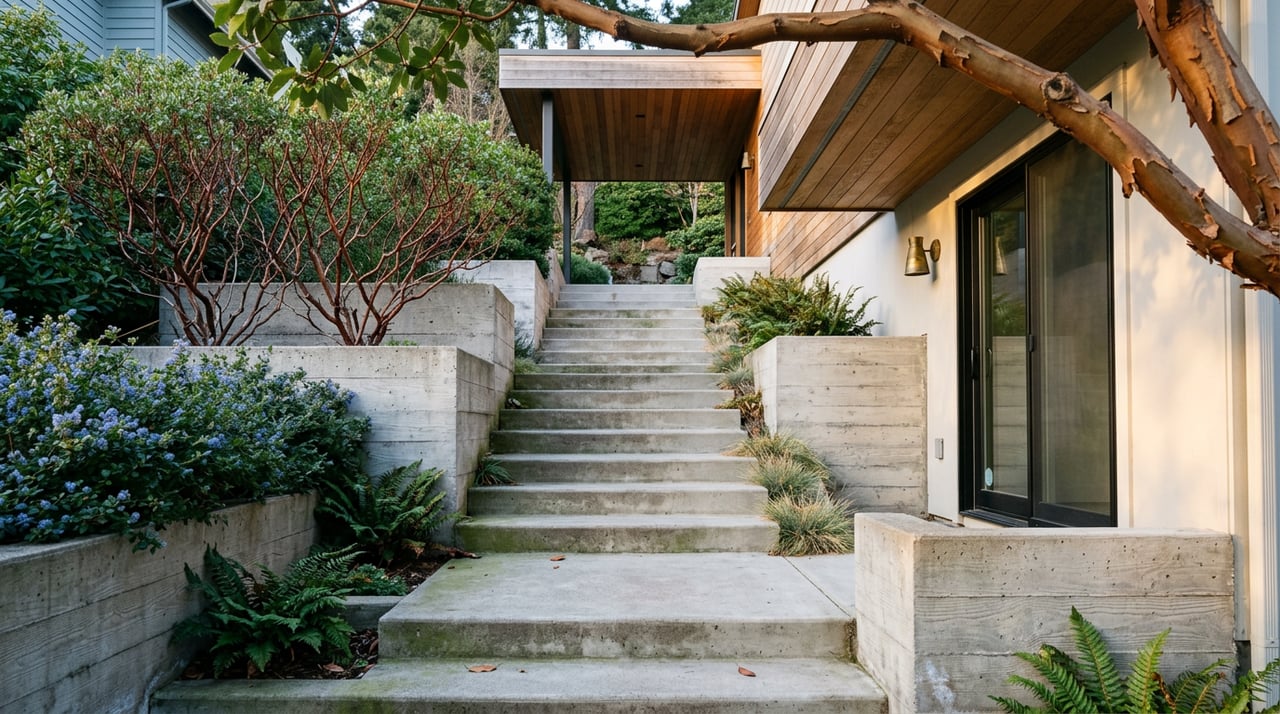
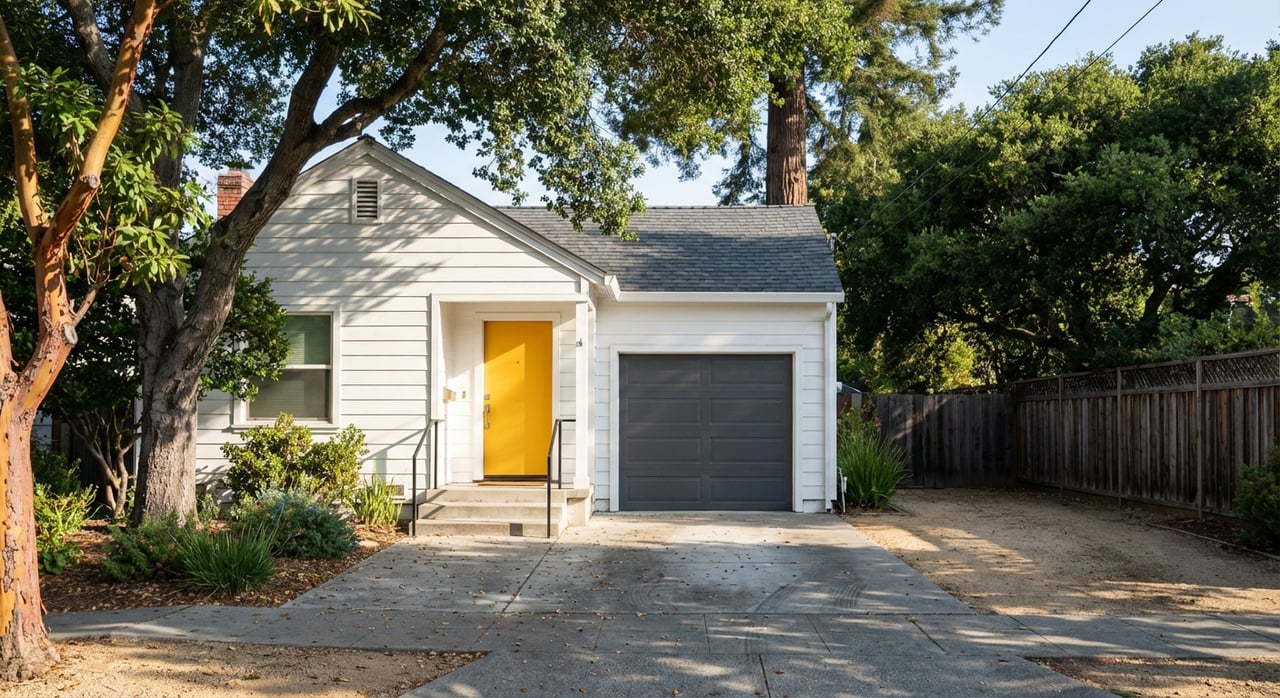
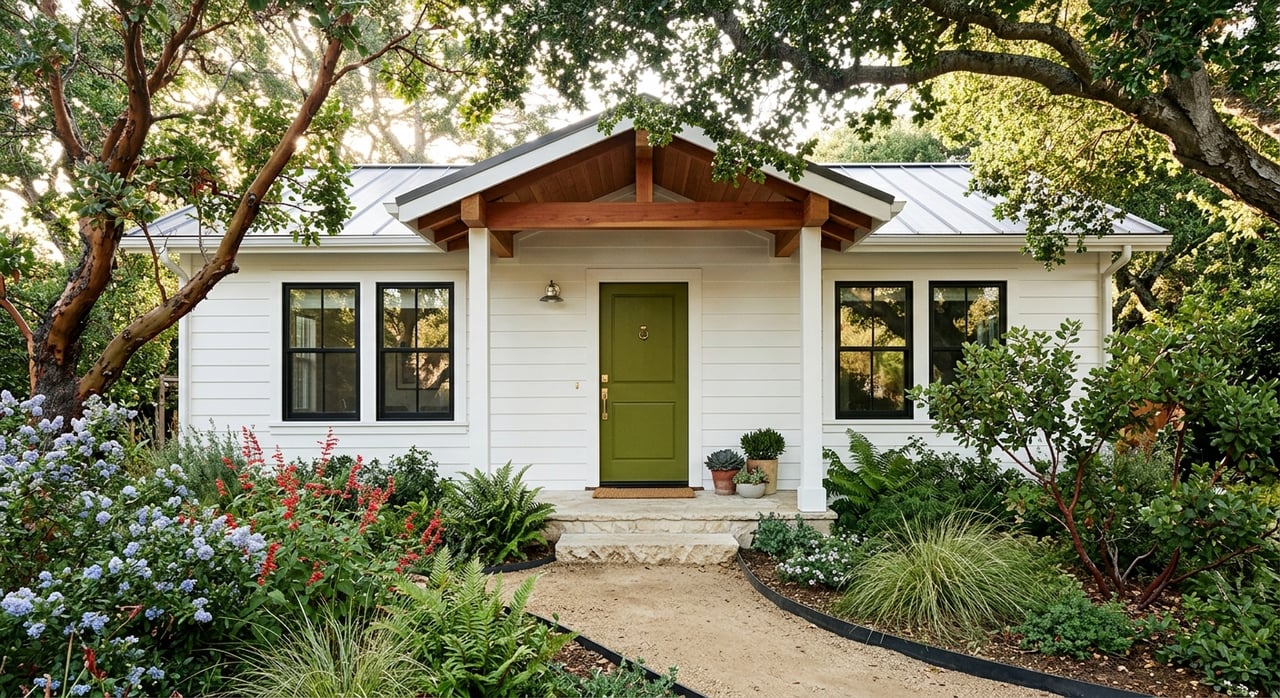
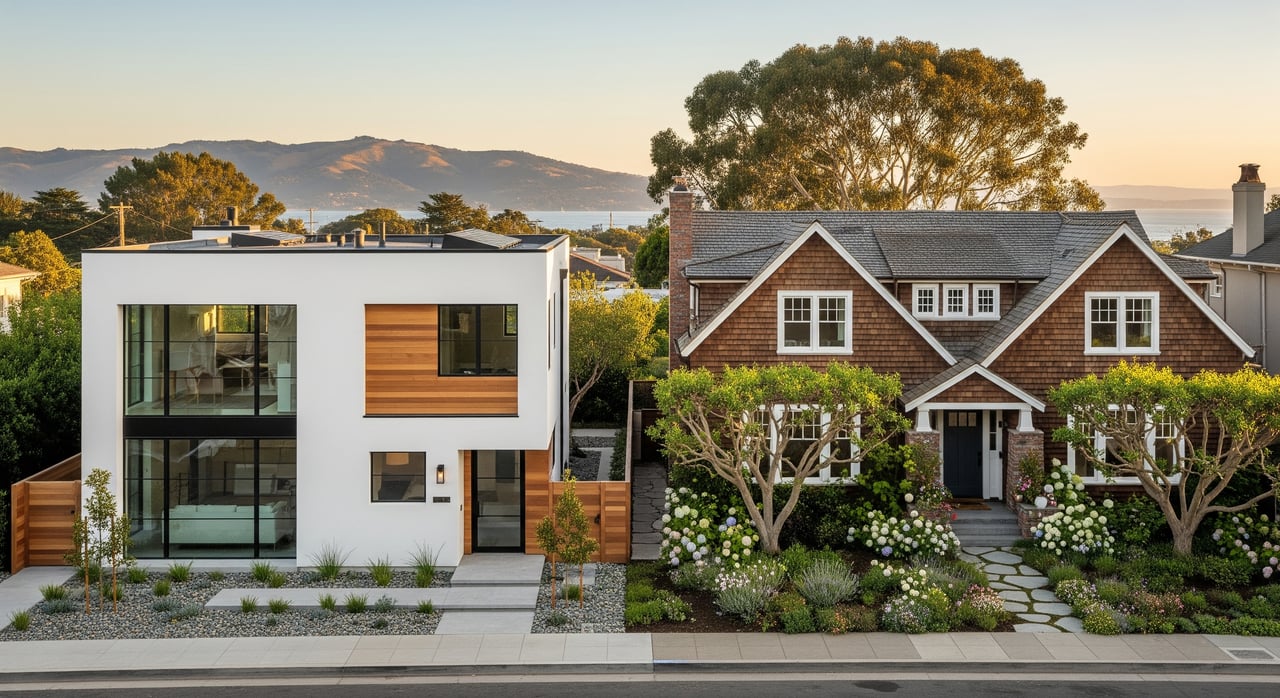
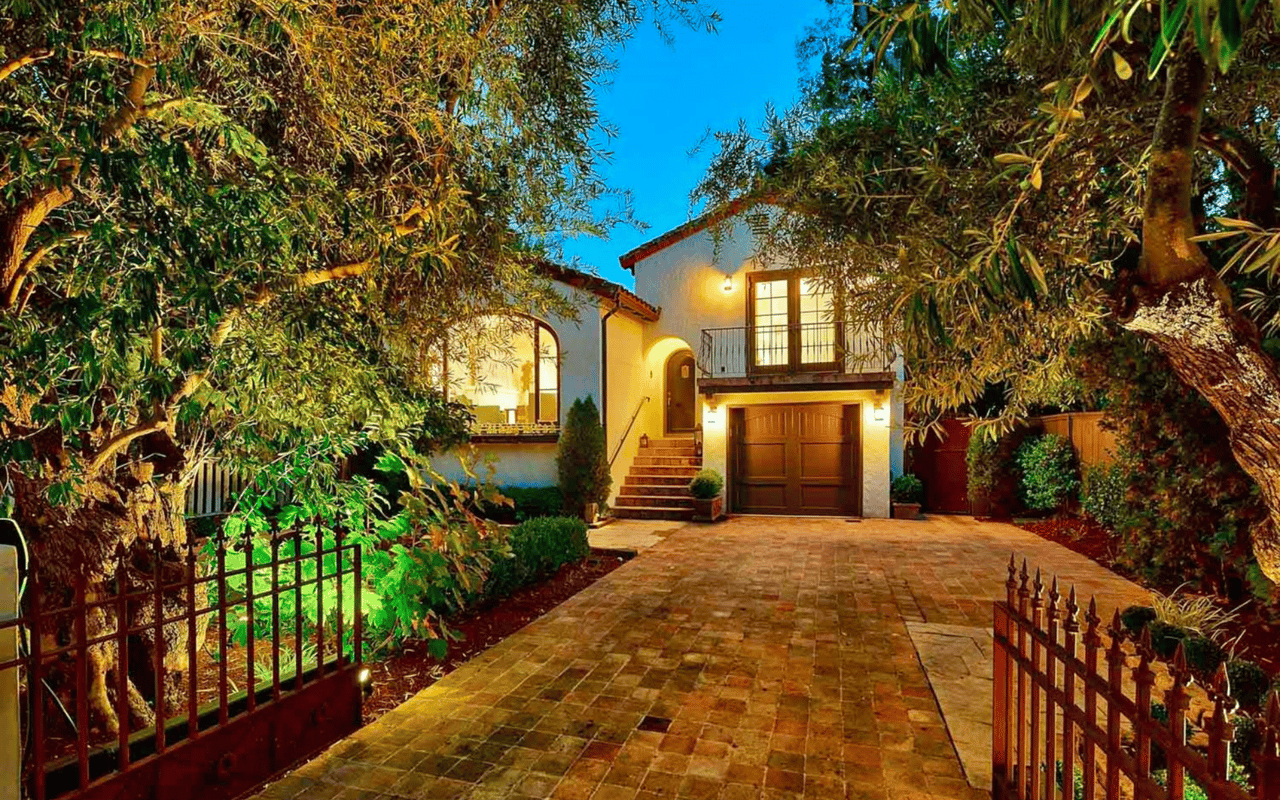
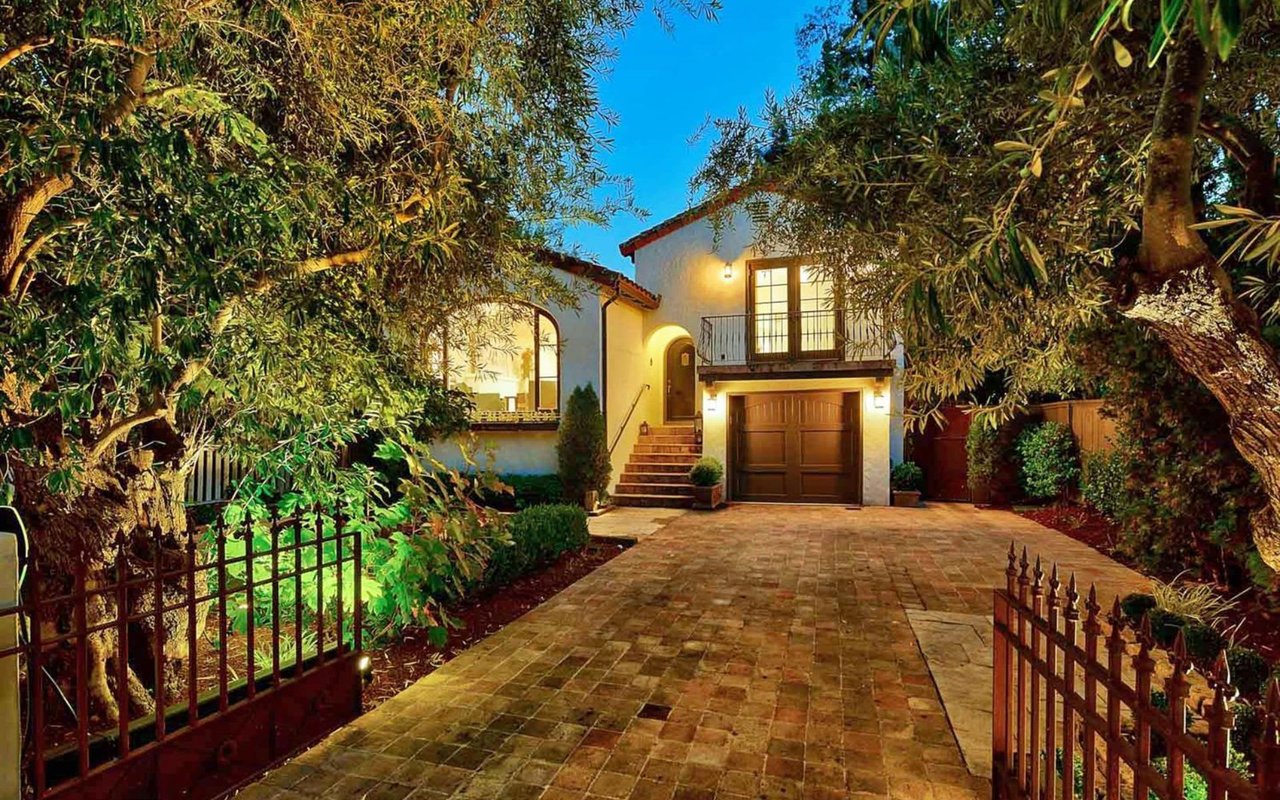
Fairfax does not read like a single master-planned hillside community. Its housing pattern grew over time, and local history points to early bungalow-era development, including building lots and homes marketed in Manor Heights.
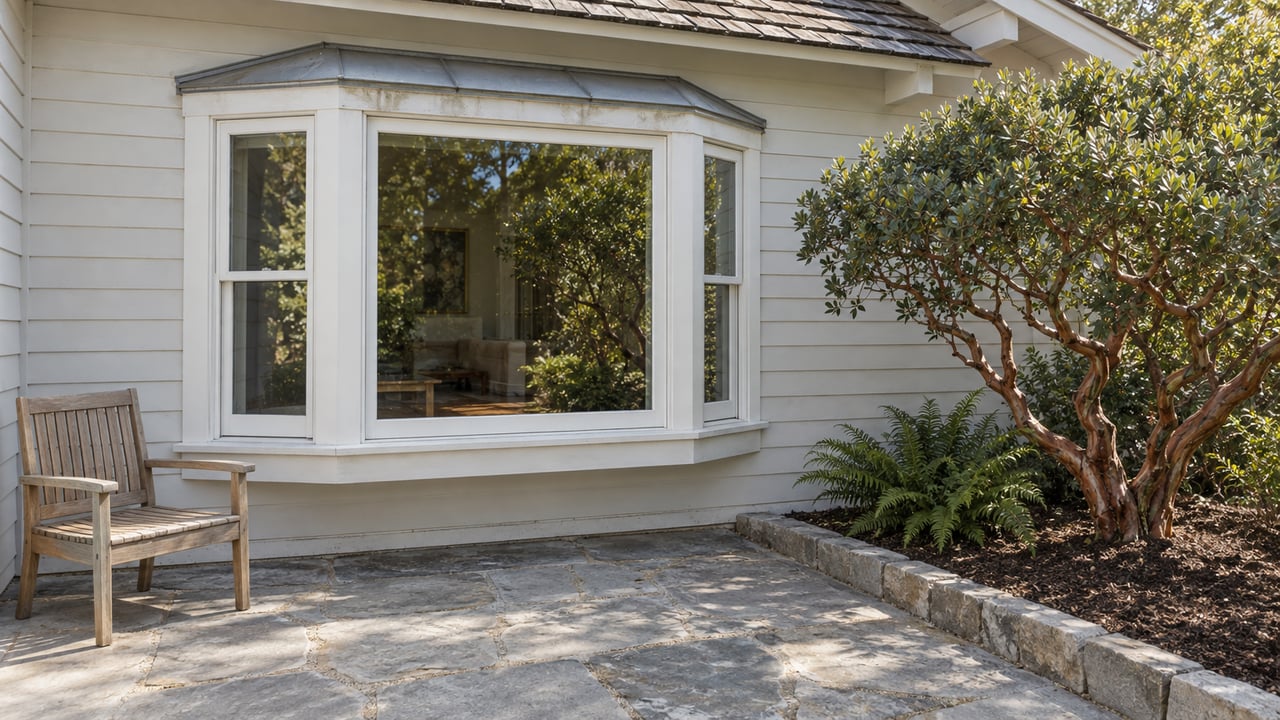
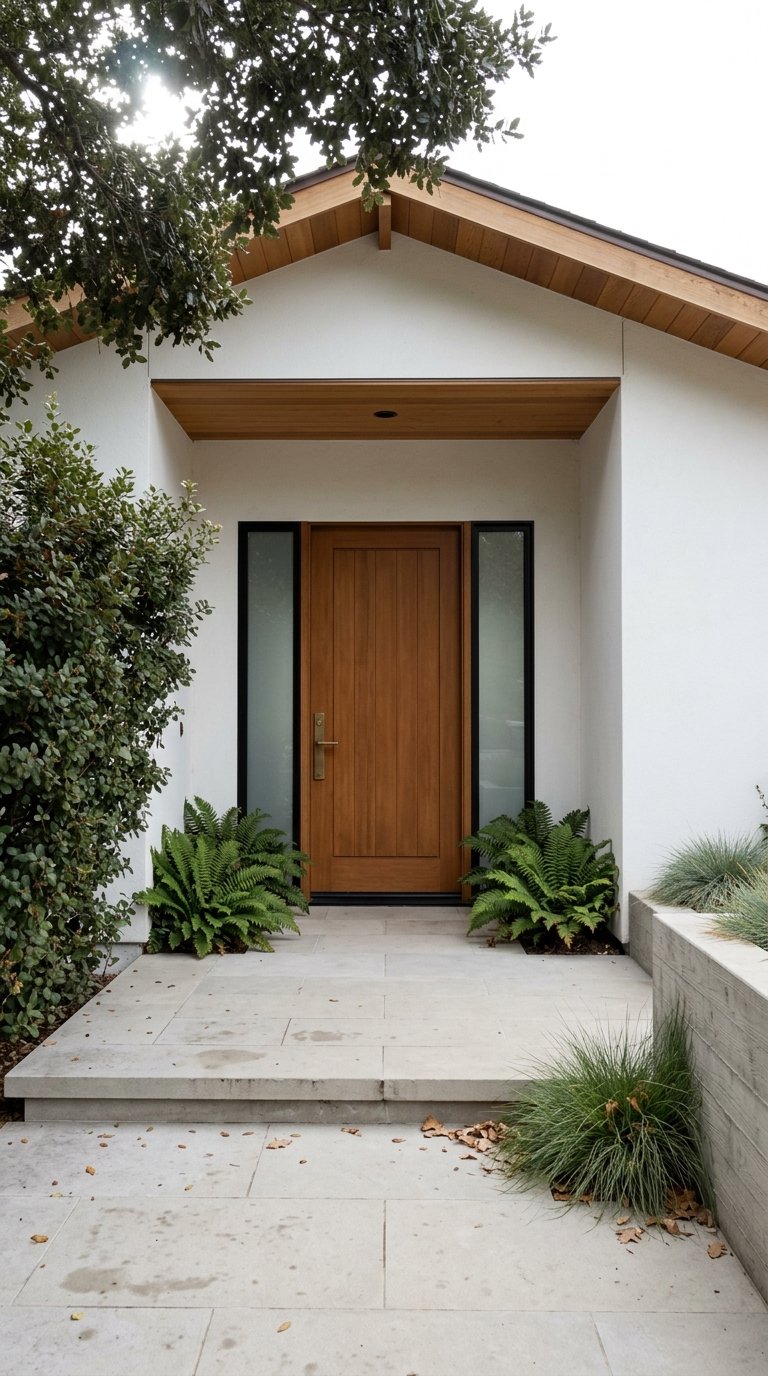
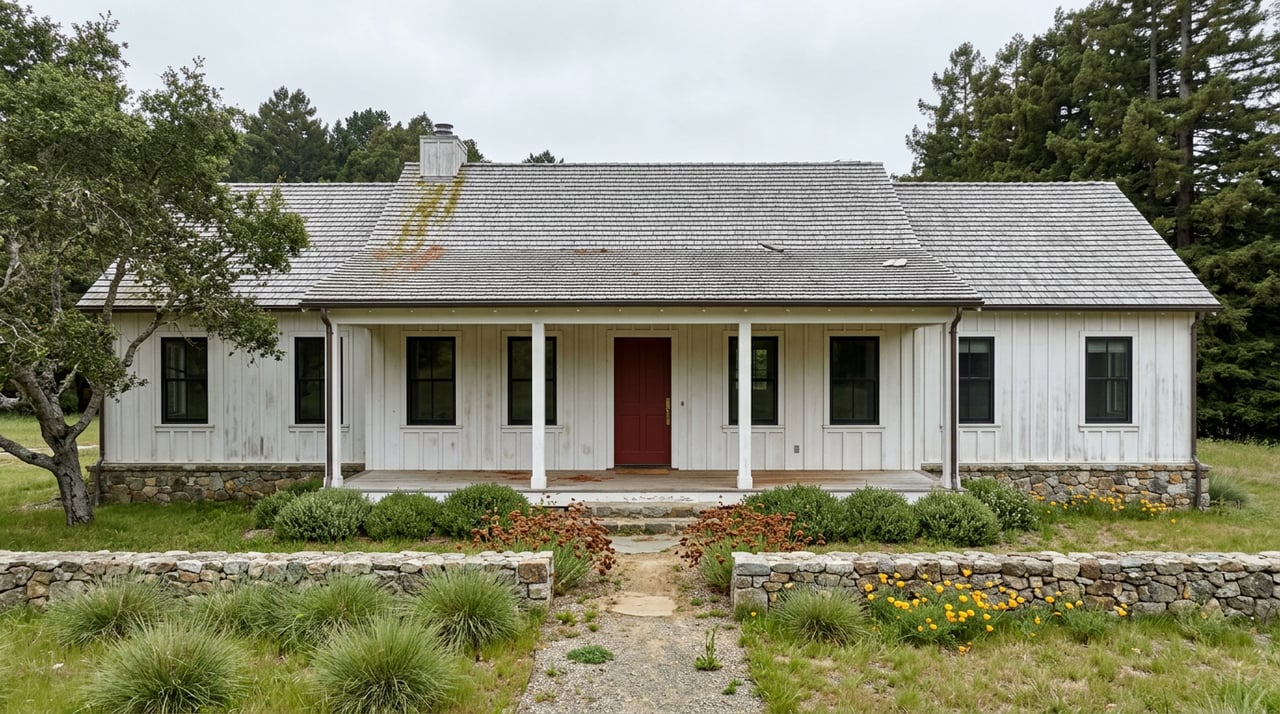
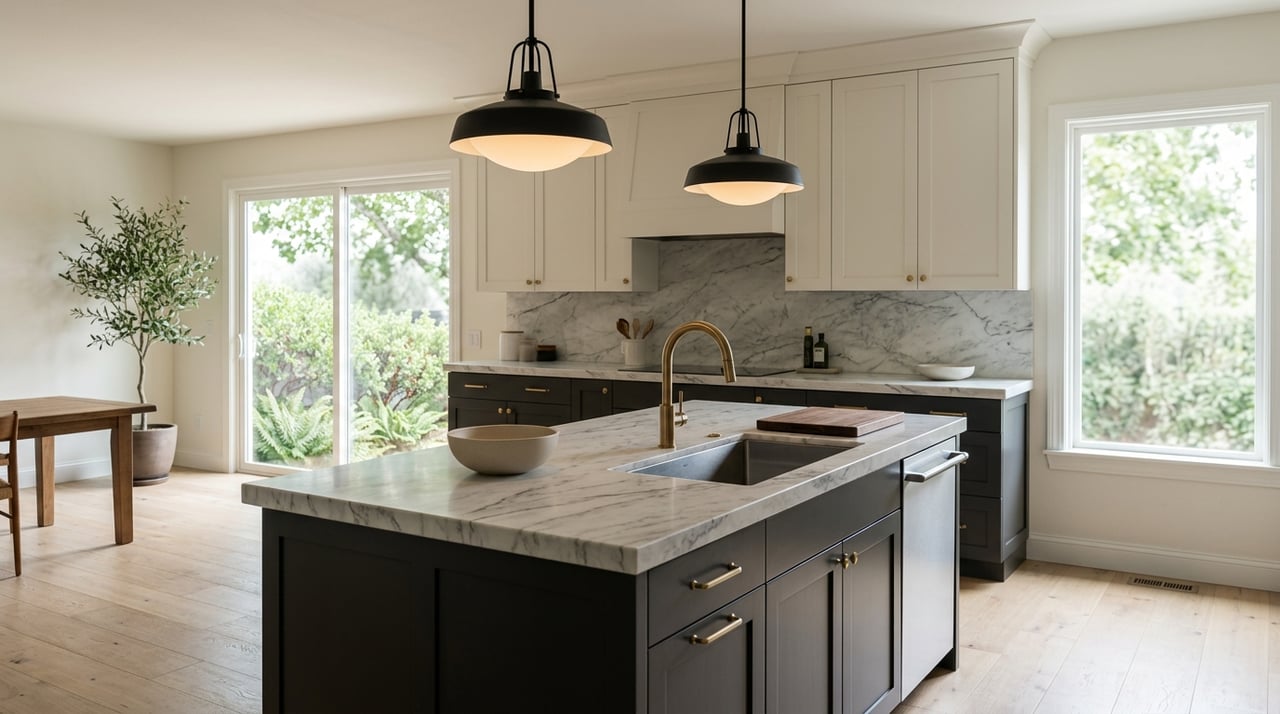
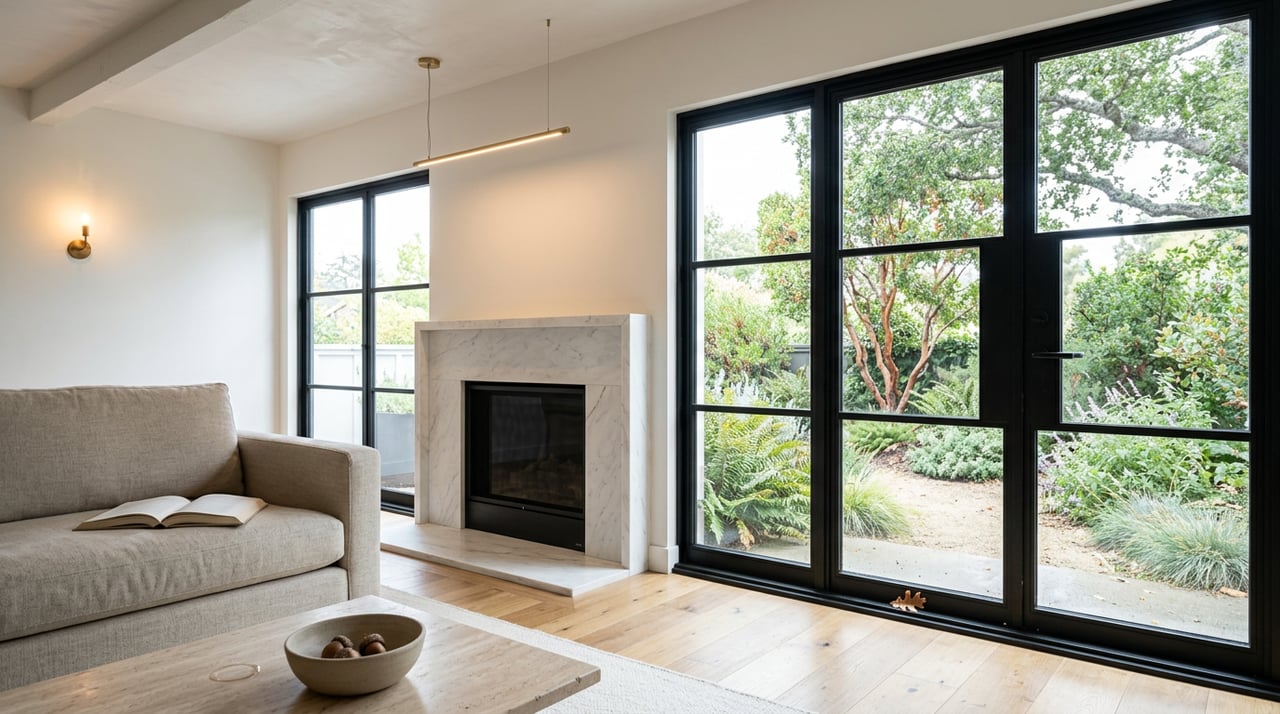
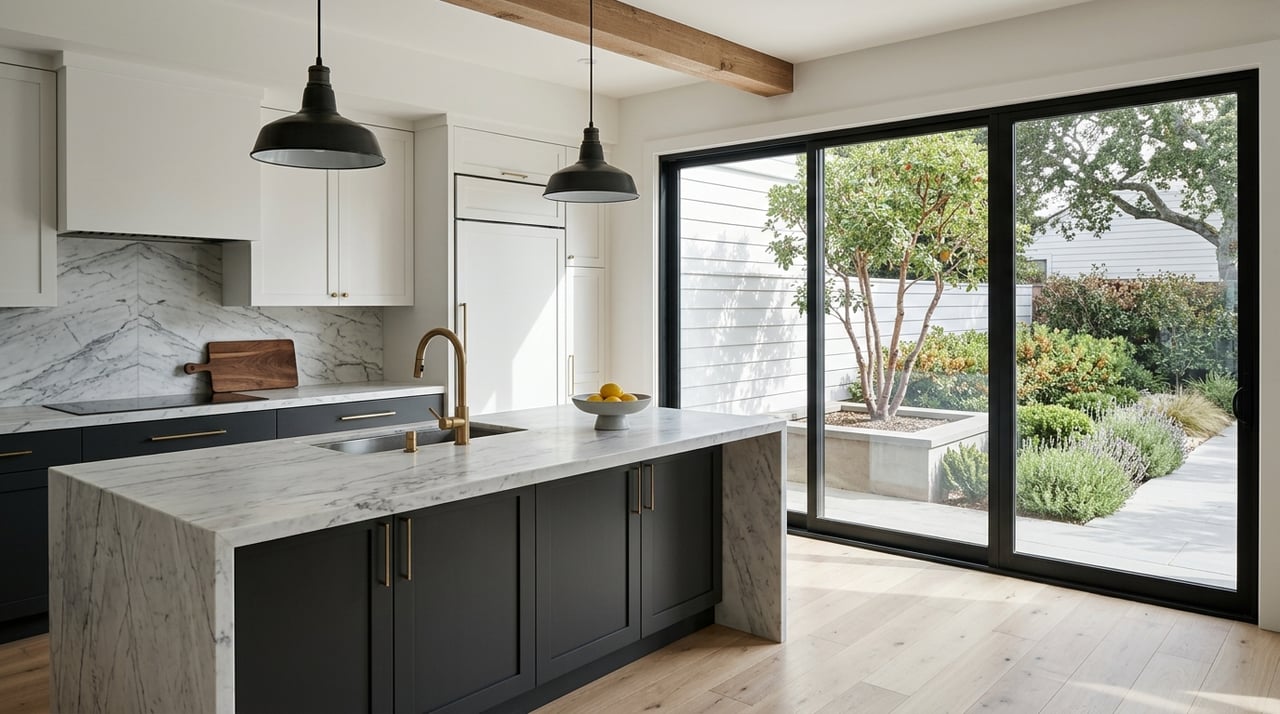
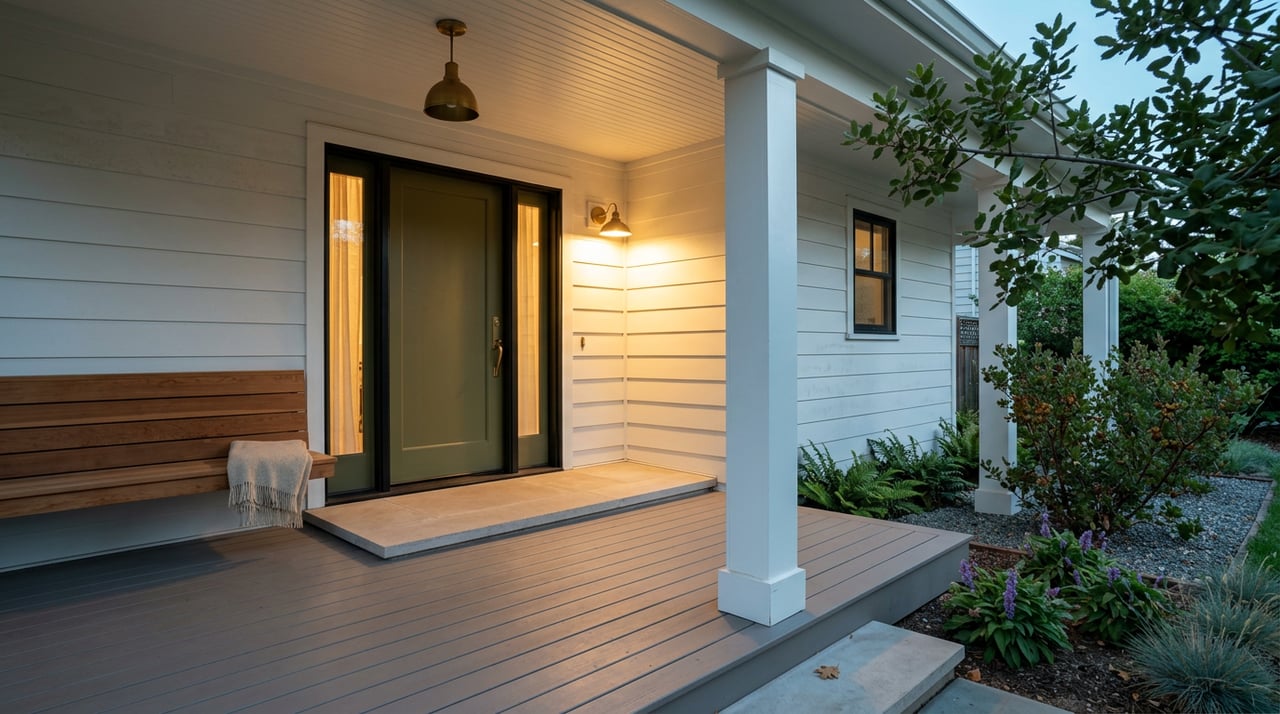
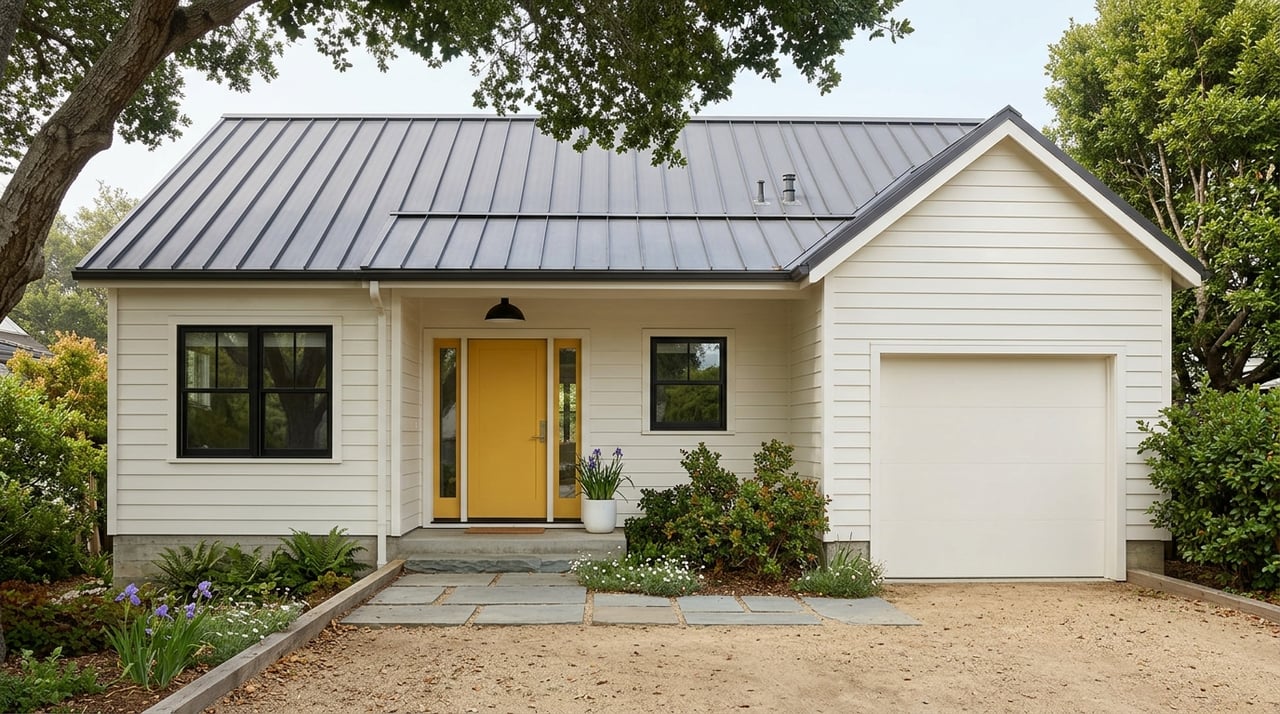
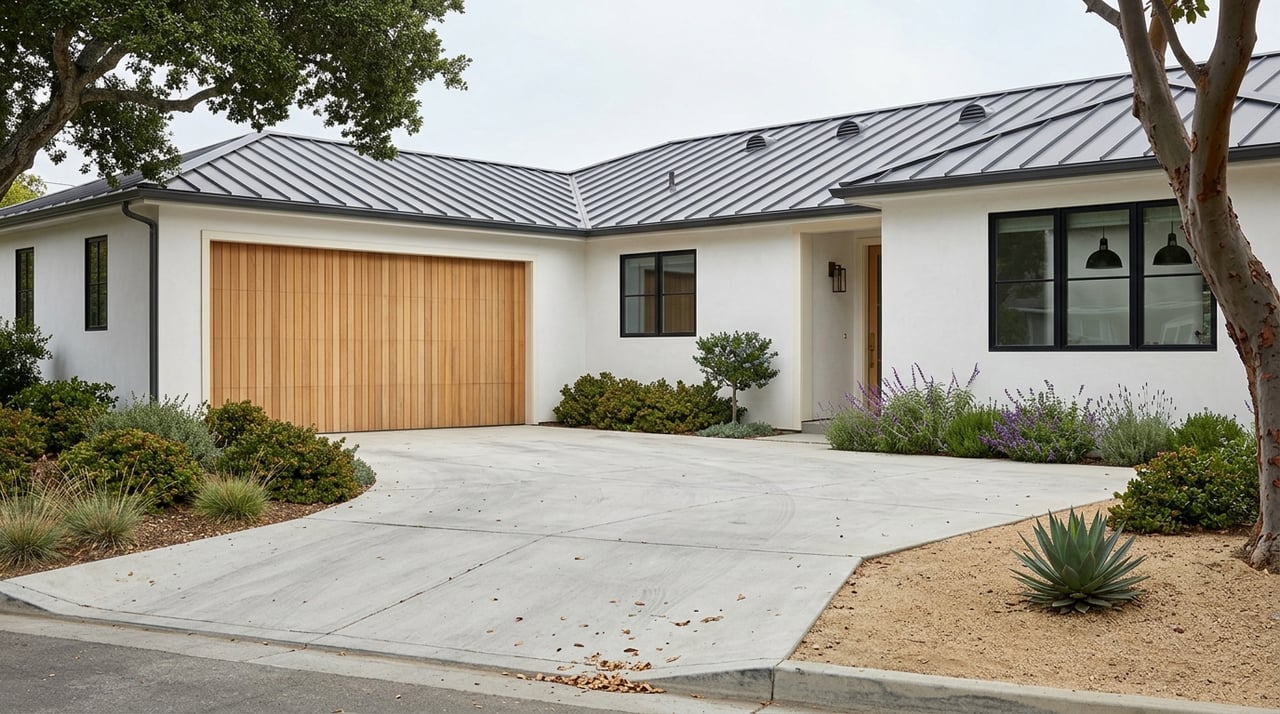
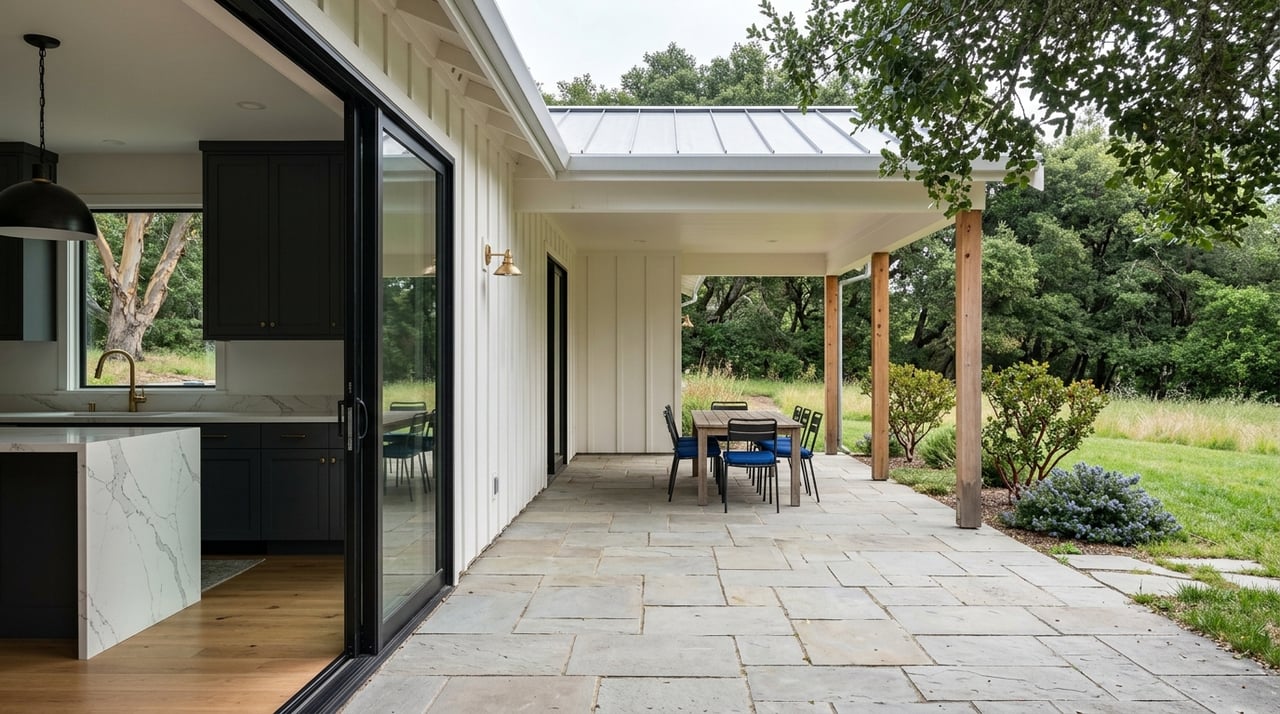
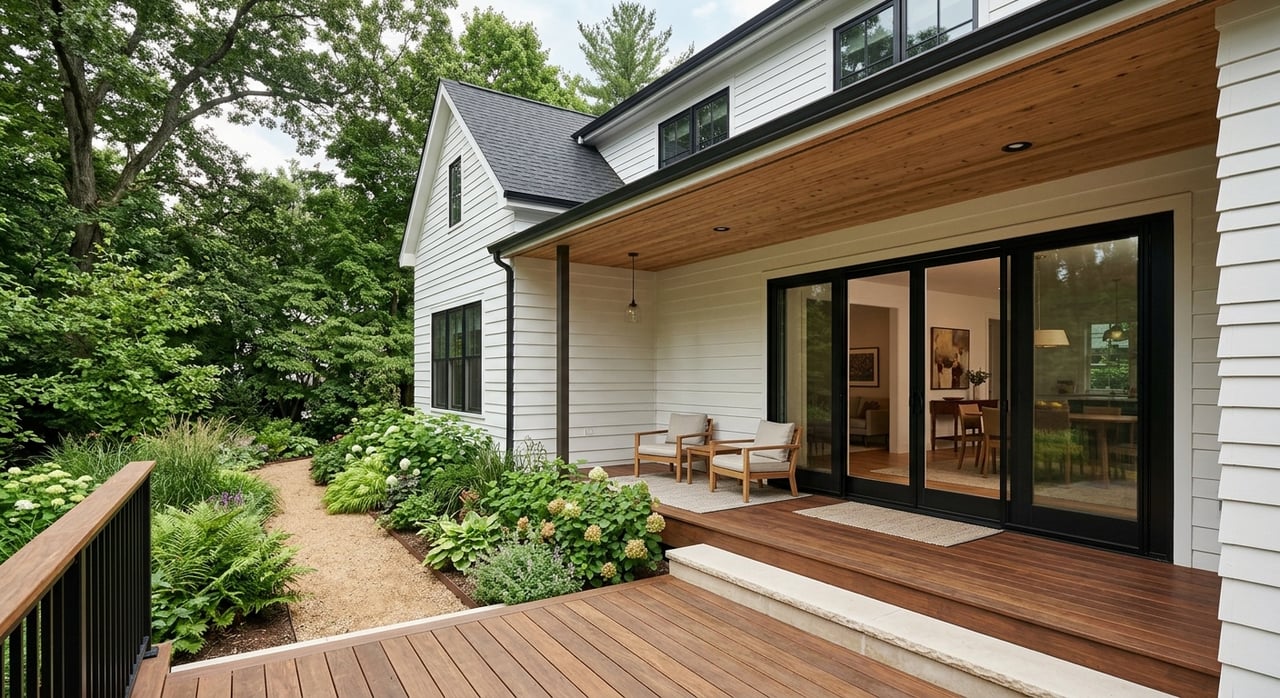
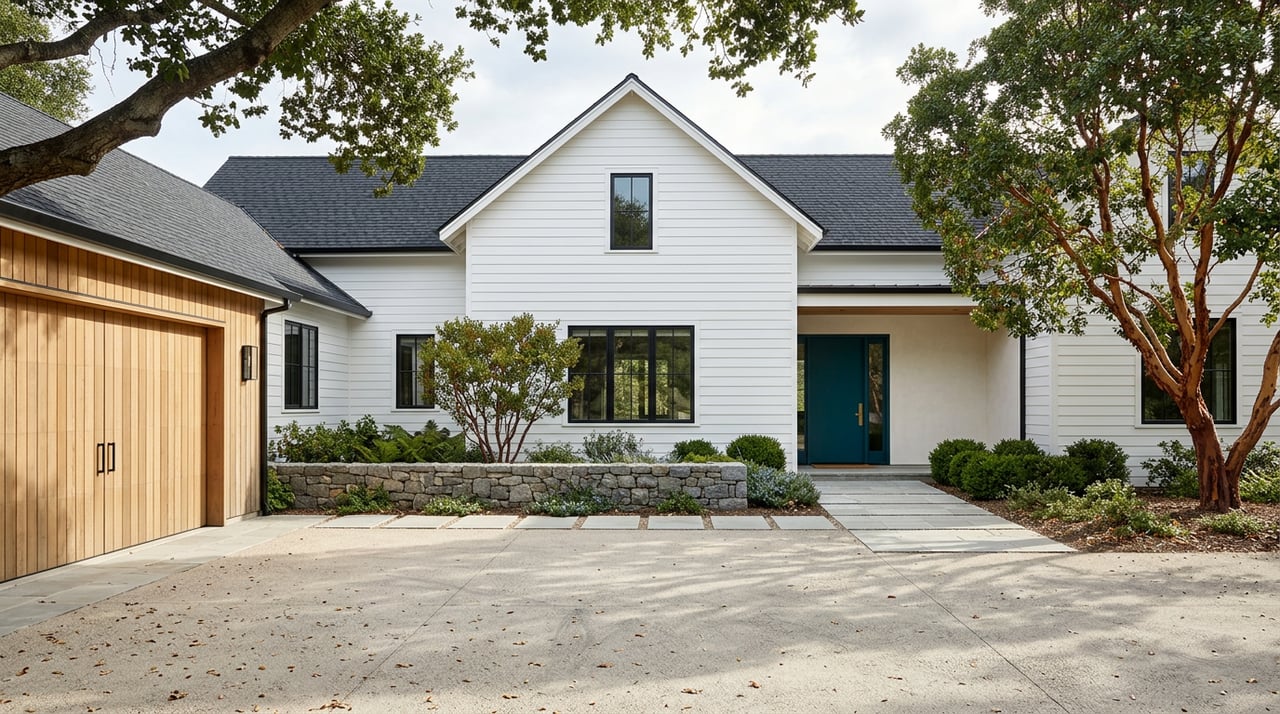
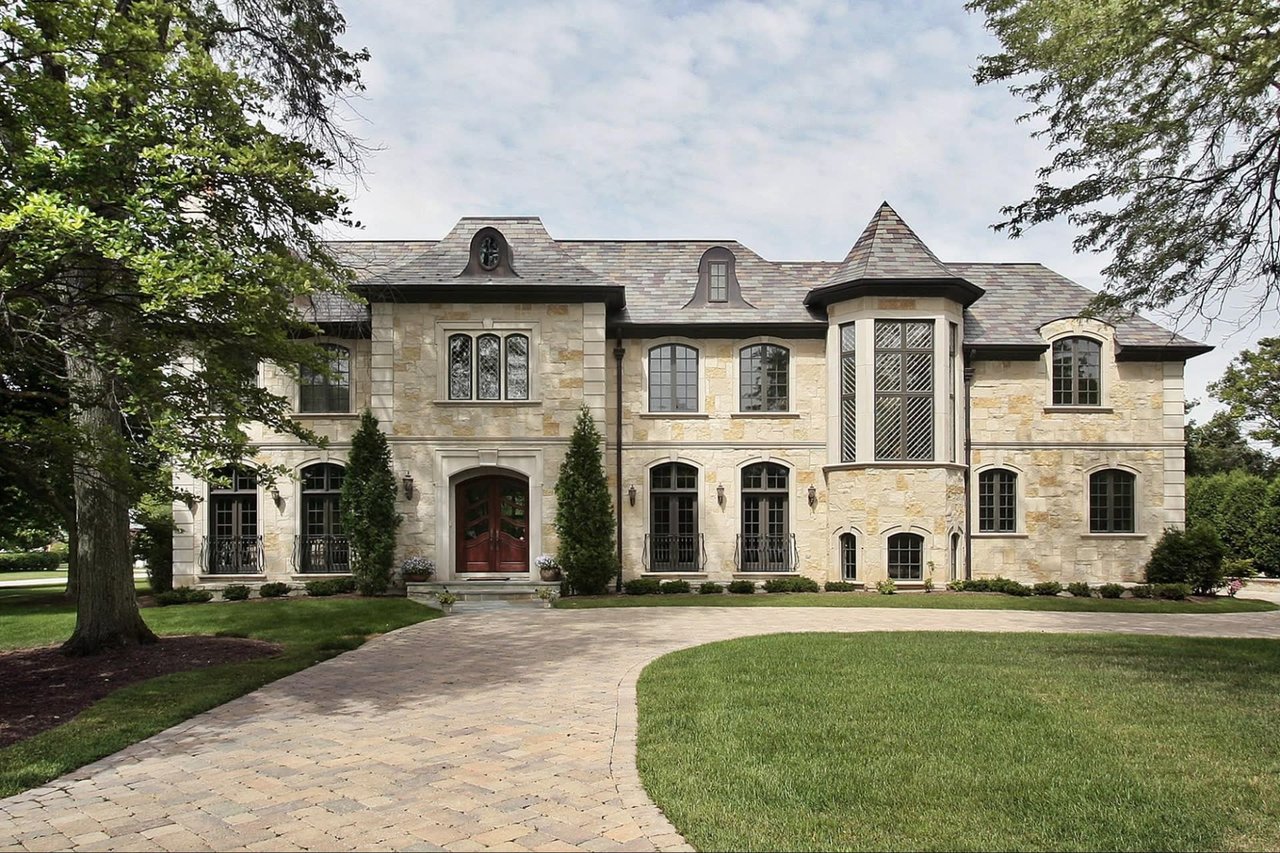
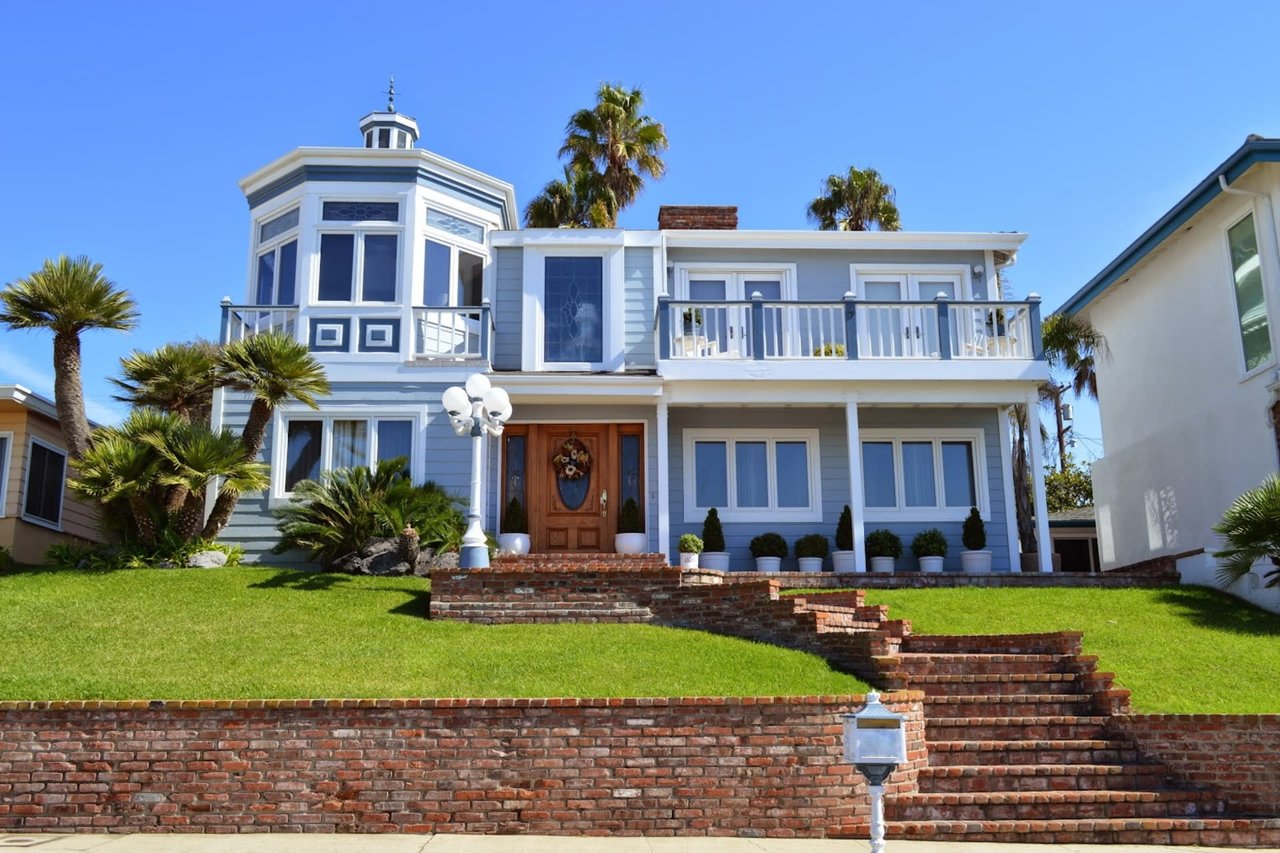
That history still shows up in the town’s housing texture today. Rather than a uniform housing stock, you are more likely to find a mix of older homes, updated properties, additions, and accessory dwelling units.
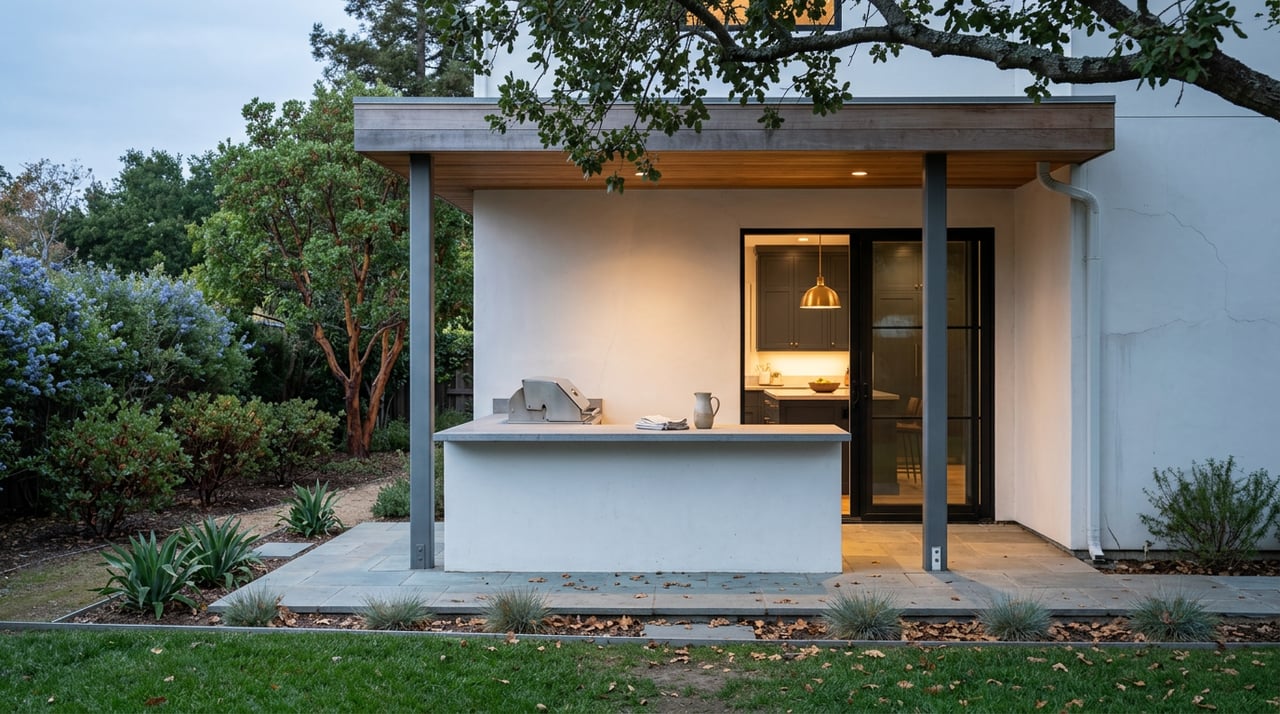
The town’s planning activity supports that picture. Fairfax provides ADU and JADU guidance, and current design review examples show that additions and accessory structures remain part of the local building landscape.
Historic Roots, Updated Homes
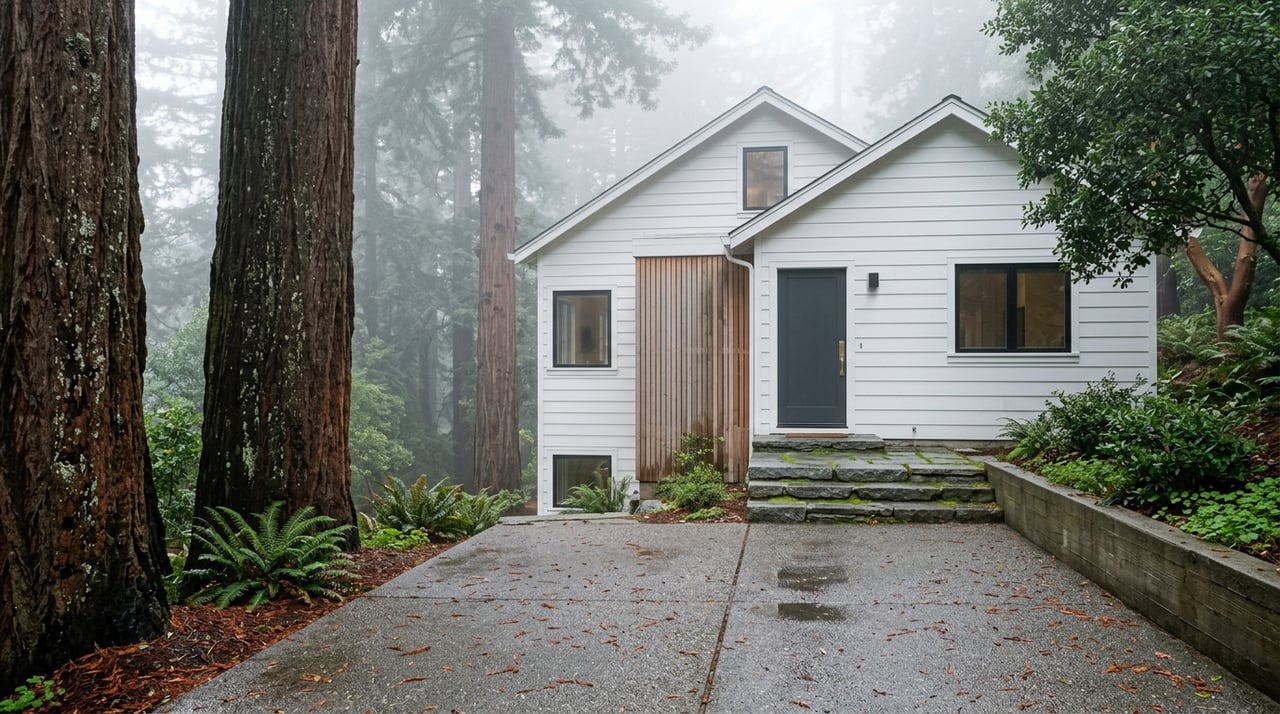
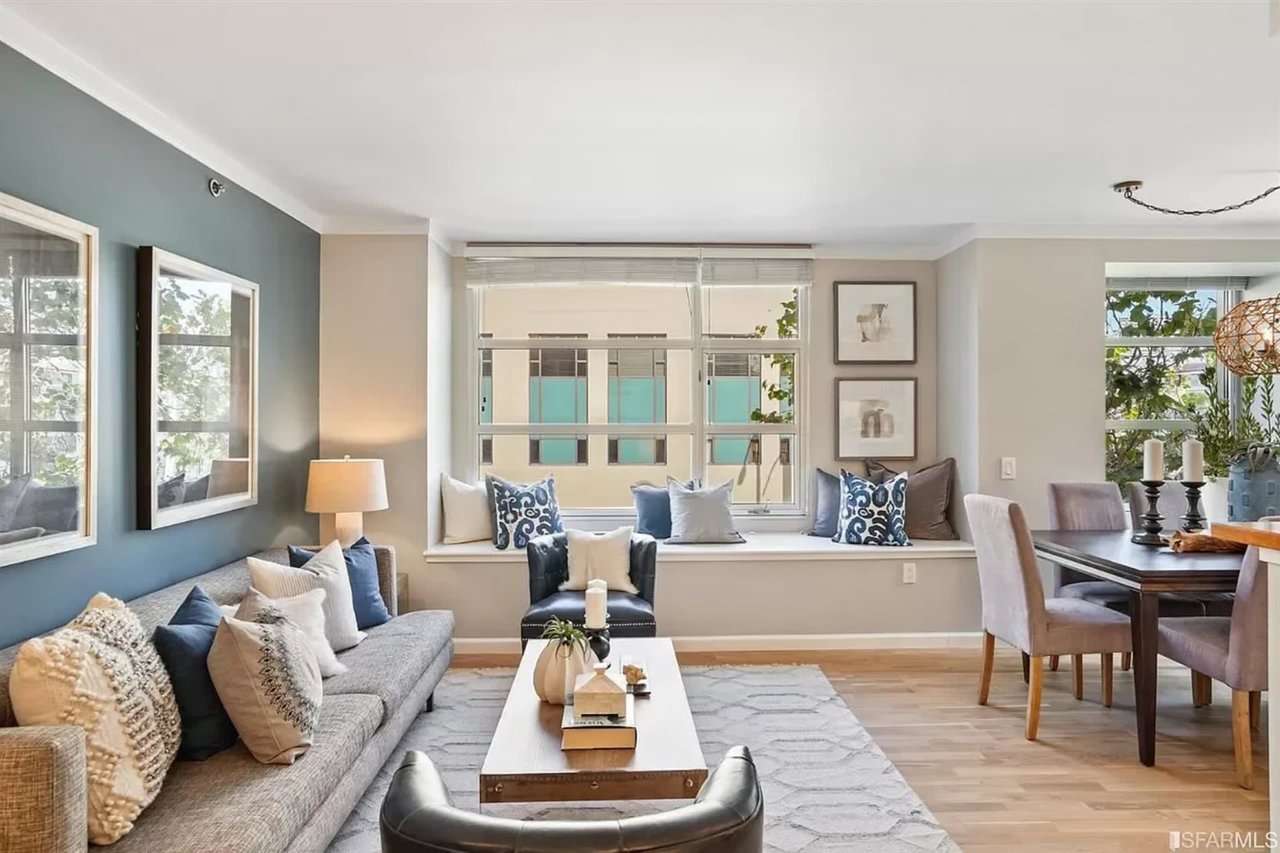
If you are touring hillside properties, it helps to expect variety. One home may reflect older bungalow-era proportions, while another may have been substantially remodeled or expanded over time.
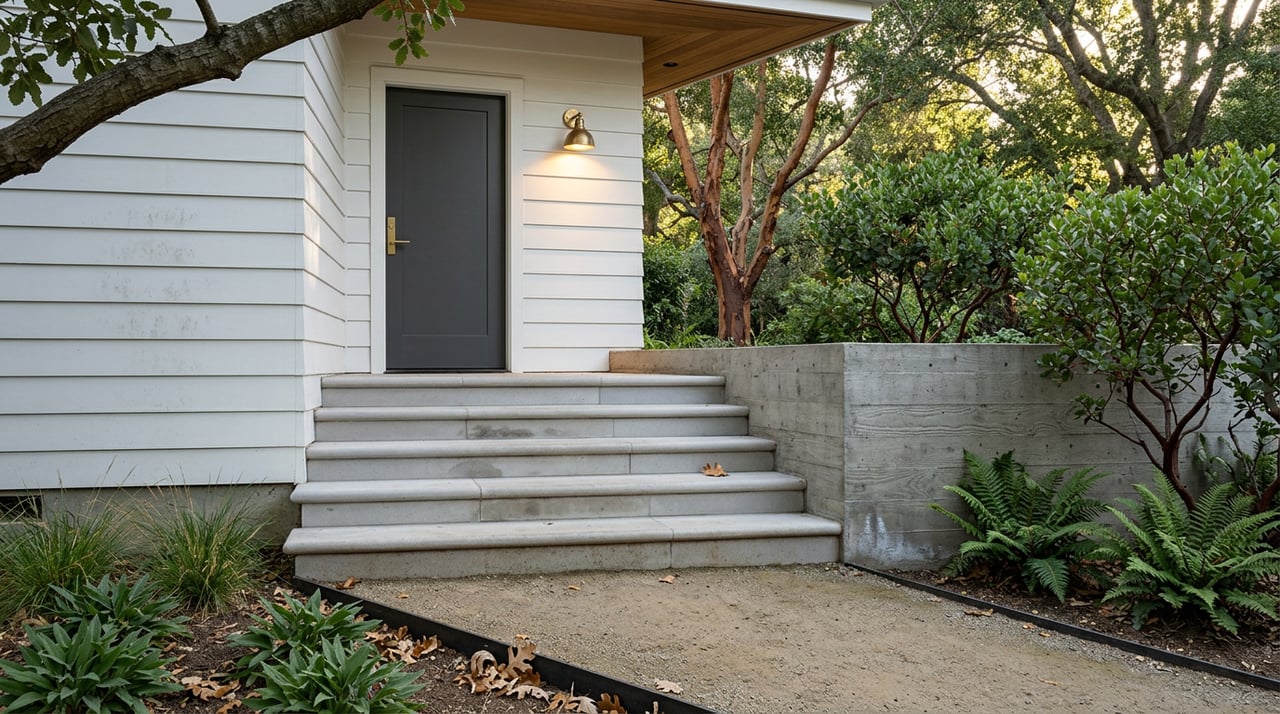
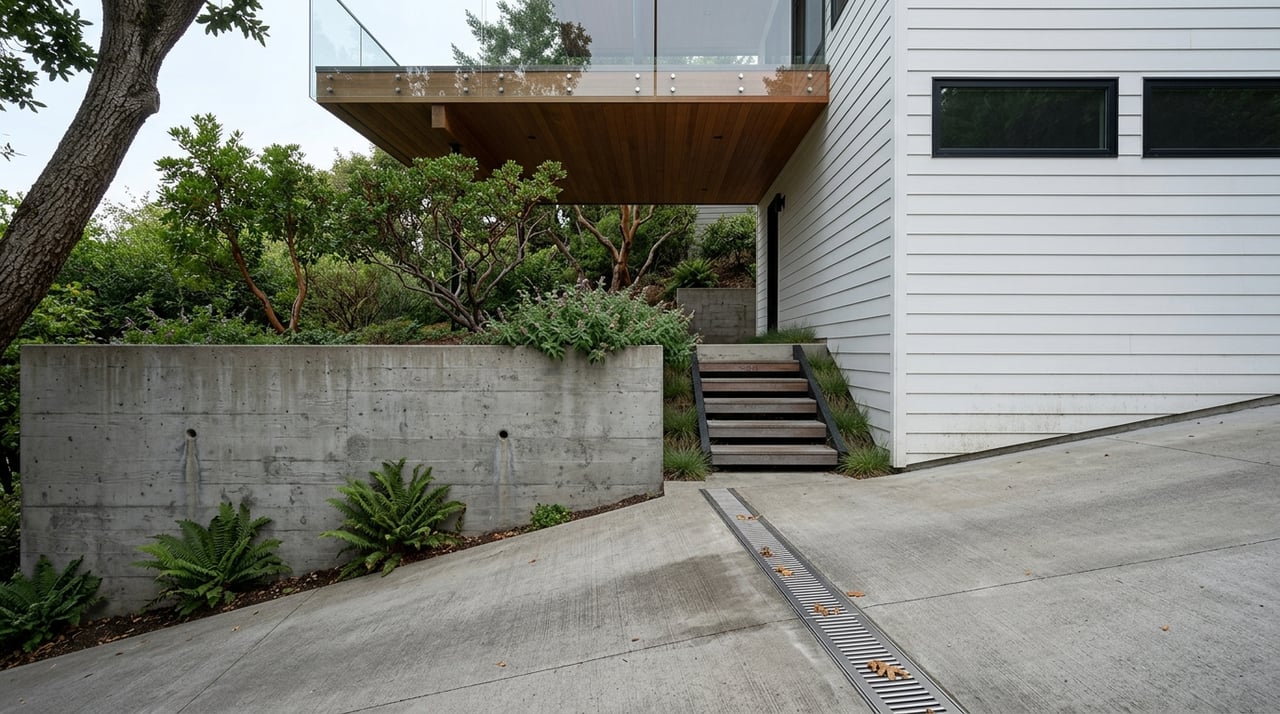
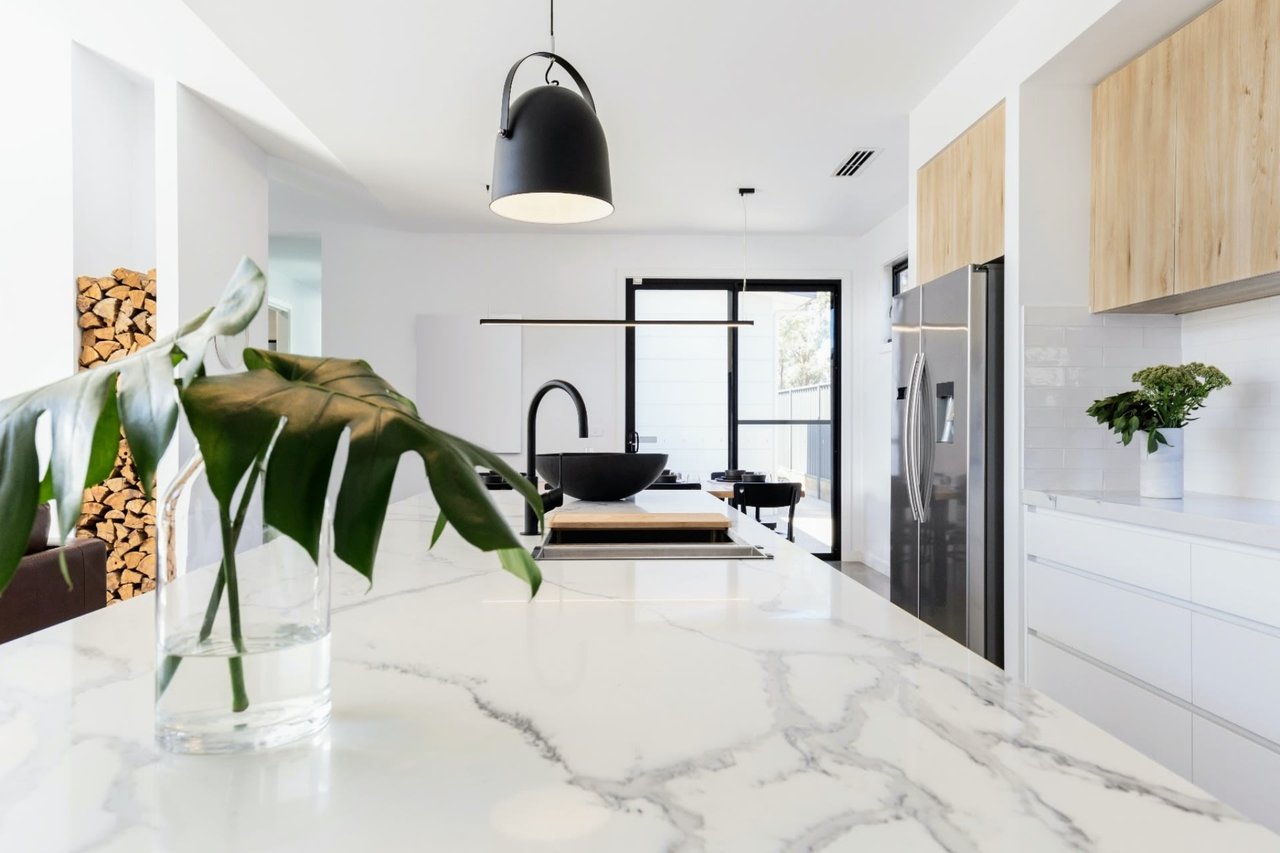
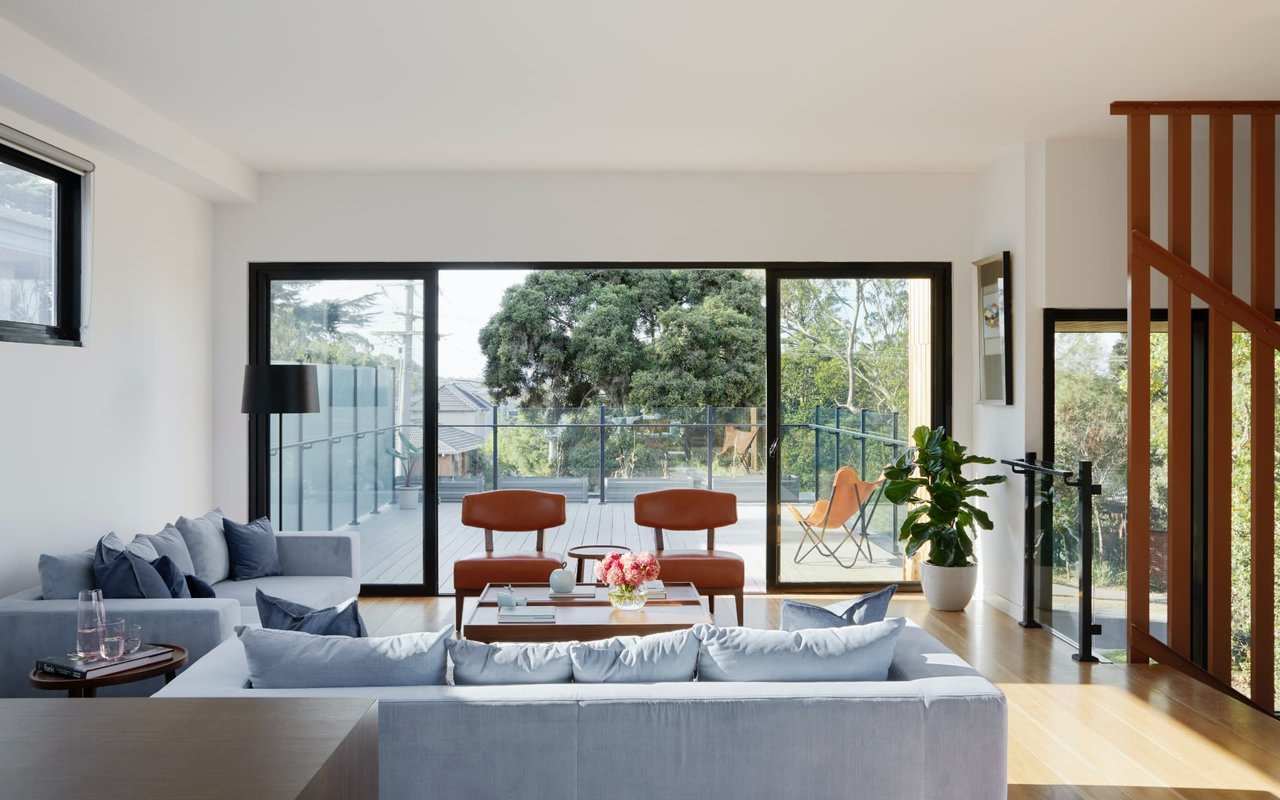
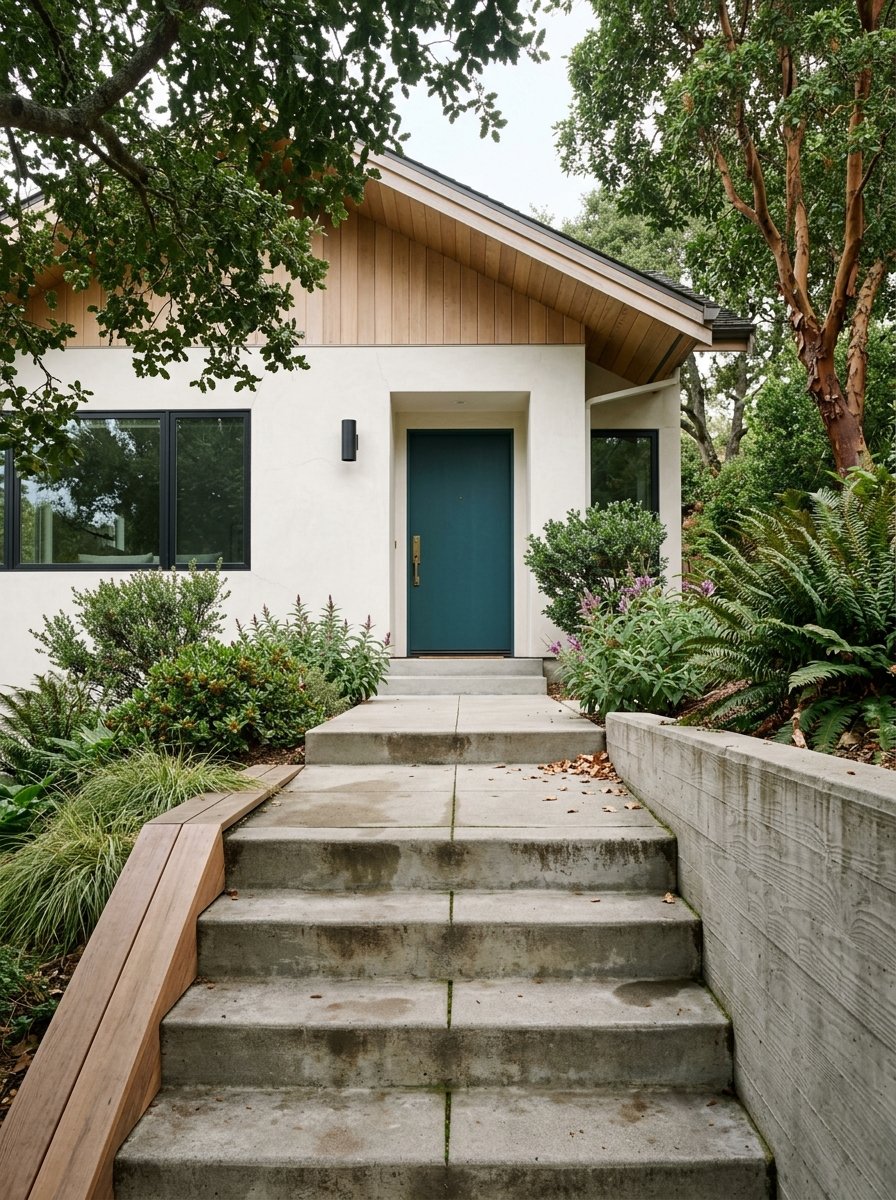
That can be a plus if you value individuality and architectural range. It also means buyers should look closely at how a home’s updates, layout, and site work fit the slope, access, and day-to-day usability of the property.
In a market like Marin, that kind of nuance matters. A home’s value often comes from the full package of setting, usability, privacy, and connection to town, not just square footage.
Movement Around Town Is Improving
Fairfax is actively working on how people move through town. The 2026 Bicycle and Pedestrian Plan update focuses on safer crossings, better north-south connectivity across Sir Francis Drake Boulevard, and more age-friendly walking and biking routes.
That tells you two things at once. First, Fairfax already supports local walking and biking in meaningful ways. Second, the town recognizes that some street-level connections still need improvement.
For hillside residents, this can shape how easy it feels to move between home, downtown, and daily destinations. If you like the idea of doing more on foot or by bike, these local planning efforts are worth watching.
Community Life Feels Active
Fairfax packs a lot of community life into a compact town. The annual Fairfax Festival and Ecofest brings music, food, crafts, artisan booths, and a parade downtown, creating one of the town’s larger shared events.
The seasonal Wednesday farmers market adds another layer to weekly life, with live music, local farm goods, handmade foods, and artisan offerings. These are not one-off attractions that sit outside daily life. They help define the social rhythm of the town.
Public art and recurring community events also contribute to that feel. Rotating Public Art in the Parkade installations and seasonal events at the Pavilion add visual interest and regular gathering points.
The Hills Still Feel Connected
One of the more appealing things about Fairfax’s hillside neighborhoods is that they do not feel isolated from the town’s identity. The preserved open-space edge is real, but so is the civic and cultural life nearby.
That overlap can make daily living feel fuller and more flexible. You can enjoy quieter residential surroundings while still staying close to markets, events, and the practical routines that keep a town feeling connected.
Fairfax’s own history reflects that balance. The town describes its evolution from a resort-town past into a more mainstream, family-oriented community while keeping a lively nightlife and a strong problem-solving culture.
Practical Realities of Hillside Living
Hillside homes come with clear benefits, but they also come with responsibilities. Fairfax states that its setting leaves it exposed to floods, fires, landslides, and earthquakes, so preparedness is part of living here.
The town maintains evacuation maps, Firewise resources, and CERT information. It also notes that there are no Very High Fire Hazard Severity Zones within town limits, even as wildfire planning remains an active part of local preparedness.
For buyers, this is not a reason to avoid the hills. It is a reason to approach the lifestyle with open eyes and a plan.
What Buyers Should Keep in Mind
If you are considering a hillside home in Fairfax, a few practical questions can help you evaluate fit:
- How easy is the route between the home and downtown?
- How steep are the streets, driveway, or lot access points?
- How often do you expect to use nearby trail systems?
- Would you prefer a more updated home, or are you open to an older property with character?
- Are you comfortable with the preparedness routines that come with hillside settings?
These are lifestyle questions as much as real estate questions. The right answer depends on how you want your home to support your everyday routine.
Why Fairfax Appeals to Many Buyers
For many people, Fairfax offers a hard-to-find blend of access, character, and nature. You have a town center with real local energy, a housing stock that feels layered rather than repetitive, and outdoor access that is part of ordinary life.
The hillside neighborhoods sharpen that identity. They offer a residential experience that can feel more private and scenic while still tying back to the walkable, community-oriented core that gives Fairfax its personality.
If you are looking for a home in Marin that feels both grounded and distinctive, Fairfax’s hillside areas are worth a closer look. If you want guidance on how specific streets, home styles, and location tradeoffs play out in real life, Eric Schmitt can help you evaluate the market with a local, strategic perspective.
FAQs
What is everyday life like in Fairfax’s hillside neighborhoods?
- Everyday life often blends quiet residential surroundings with convenient access to Fairfax’s town center, local events, and nearby open-space trails.
Are Fairfax hillside neighborhoods walkable to downtown?
- Some hillside areas have good access to the downtown core, but the ease of walking depends on the specific location, street layout, and slope.
What types of homes are common in Fairfax’s hillside areas?
- Fairfax hillside homes often include a mix of older bungalow-era properties, remodeled homes, additions, and accessory dwelling units rather than a single uniform style.
How important is outdoor access in Fairfax hillside living?
- Outdoor access is a major part of the lifestyle, with the Mt. Tam Watershed offering about 150 miles of trails and roads for recreation near town.
What practical issues should buyers consider in Fairfax hillside neighborhoods?
- Buyers should think about slope, access, preparedness for hazards such as fire or landslides, and how easily the home connects to downtown and trail systems.
Is Fairfax a good fit for a car-light lifestyle?
- Fairfax can support a partly car-light lifestyle because the core is walkable and served by transit, but many hillside routines still make having a car helpful.