Looking for a place that feels like a true escape without leaving Marin behind entirely? Owning a retreat in West Marin can offer exactly that, but it comes with a lifestyle that is very different from suburban convenience. If you are considering a home in Point Reyes Station, Inverness, Olema, Tomales, Dillon Beach, Stinson Beach, or the broader West Marin region, it helps to understand how daily life, property ownership, and long-term planning really work here. Let’s dive in.
West Marin Feels Different by Design
West Marin is not one town. Marin County defines it as a rural region made up of coastal and inland communities including Dillon Beach, Tomales, Marshall, Inverness, Point Reyes Station, Olema, Nicasio, Forest Knolls, Woodacre, Lagunitas, Bolinas, Stinson Beach, Muir Beach, and the San Geronimo Valley.
That regional identity matters when you think about ownership. You are not buying into a typical city pattern with dense services and quick errands around the corner. In many parts of West Marin, the pace is slower, the landscape is more protected, and your routine tends to become more intentional.
For many buyers, that is the appeal. West Marin feels close enough to reach from the Bay Area, yet far enough away to create real separation from a busier weekly rhythm.
Daily Life Takes More Planning
One of the biggest shifts is how you move through your day. West Marin is reached by roads like Highway 1, Sir Francis Drake Boulevard, and Point Reyes-Petaluma Road, and Point Reyes is about 30 miles north of San Francisco.
On paper, that may not sound especially remote. In practice, winding roads and rural geography mean even simple plans can require more lead time than they would in Southern or Central Marin.
That affects everything from grocery runs to home maintenance appointments. If you own a retreat here, you will likely find yourself planning weekends, deliveries, and contractor schedules more carefully than you would in a more urbanized part of the county.
Many owners see that as part of the tradeoff. You give up some spontaneity, but you gain privacy, quiet, and a stronger sense of place.
The Landscape Becomes Part of Your Routine
In West Marin, the outdoors is not just something nearby. It becomes part of how you live.
Point Reyes National Seashore is the region’s defining natural amenity, with roughly 71,055 acres, about 150 miles of trails, and 80 miles of shoreline and beaches. It supports hiking, wildlife viewing, camping, and beach access across a remarkably broad landscape.
Tomales Bay State Park adds another layer to that experience. California State Parks describes it as a 2,000-acre day-use park with sheltered coves and beaches protected from wind by Inverness Ridge.
For an owner, this means your free time can look very different here. A morning walk, a beach stop, or a trail outing can feel less like a special event and more like part of the weekly pattern.
Recreation Is Easy to Access, But Not Always Effortless
West Marin’s natural beauty draws a lot of visitors, especially on weekends. Tomales Bay State Park notes that parking lots often fill by mid-morning on weekends, which tells you something important about how popular the area can be.
That does not mean recreation is unavailable. It means timing matters.
If you own a home here, you may learn to use the region differently than day visitors do. Early starts, weekday outings, and local knowledge can make the experience feel more relaxed and less crowded.
It is also worth knowing that trail access and recreation areas are actively managed. Closures can happen for safety, habitat protection, erosion, or trail work, which is part of living near protected public land.
The Setting Is More Rural Than Resort-Like
Some retreat markets feel polished and service-heavy. West Marin is different.
Agriculture remains central to the area’s identity. Marin County describes agriculture as a major part of the county’s history and culture, and county planning documents note the importance of ranches, dairies, organic farms, poultry, mariculture, and tourism in West Marin.
That working rural character shapes the experience of ownership. The area’s appeal is not just scenic. It is tied to real production landscapes, local food systems, and communities with deep agricultural roots.
That is one reason West Marin often feels grounded rather than ornamental. It is beautiful, but it is also functional and lived-in.
Food and Services Have a Local Rhythm
The food culture in West Marin reflects that agricultural base. Marin County certifies the Point Reyes Farmers’ Market at Toby’s Feed Barn, and the Tomales Bay area is associated with dairy ranches and oyster farms.
For many homeowners, that becomes part of the lifestyle. Seasonal produce, local seafood, and a market-oriented rhythm can shape how you shop, cook, and host.
At the same time, services are more limited than in eastern Marin. Marin County operates a West Marin Health and Human Services Center in Point Reyes Station, hosts County Services Closer to Home pop-ups there, and provides rural library outreach, but many routine errands still tend to pull residents toward San Rafael.
That is an important ownership reality. West Marin offers a meaningful local service base, but not the full convenience pattern many buyers may be used to.
Homes Often Come With More Self-Management
Owning a retreat in West Marin usually means taking on more property systems than you would in a typical suburban neighborhood. Much of the region relies on onsite wastewater treatment and private water systems rather than standard municipal utilities.
Marin County Environmental Health notes that septic systems serve much of West Marin because many properties are not connected to sewer. Private water wells also require permits to drill.
For you as an owner, that means infrastructure matters. Before you buy, it is important to understand how a property’s water, wastewater, and maintenance obligations function over time.
This is one of the clearest differences between owning in West Marin and owning in a more typical in-town setting. The lifestyle may feel relaxed, but the ownership itself often requires careful attention.
Permitting Can Be More Nuanced
If you are thinking about renovations or expansions, West Marin may involve a more layered process. Marin County’s Local Coastal Program governs development in the coastal zone, and the county’s Coastal Exclusion Area includes places such as Point Reyes Station, Dillon Beach, Tomales, and Olema.
That can affect how additions, exterior changes, and other improvements move through review. In some locations, the path may differ from what buyers expect in inland neighborhoods.
This does not make improvements impossible. It simply means that due diligence, realistic timing, and a clear understanding of the property’s regulatory context are especially important.
For buyers considering a second home, legacy property, or renovation opportunity, this is often one of the most important early conversations to have.
Wildfire Readiness Is Part of Ownership
West Marin’s natural setting is a major draw, but it also brings responsibilities. Marin County publishes fire hazard severity maps, uses AlertMarin for emergency notifications, and organizes evacuation zones through ZoneHaven.
Marin County Fire also uses defensible space inspections to help reduce risk around homes. For owners, wildfire preparedness is not a side topic. It is part of the practical framework of owning in a rural landscape.
That can influence how you maintain the property, prepare seasonally, and think about access, landscaping, and emergency planning. In many cases, buyers who embrace West Marin do so with a clear understanding that stewardship is part of the lifestyle.
Transit Exists, But a Car Still Matters
Marin Transit’s West Marin Stagecoach Route 68 connects San Rafael, San Anselmo, Fairfax, the San Geronimo Valley, Point Reyes Station, and Inverness. That route provides an important connection for rural communities.
Still, public transit here is not a substitute for the kind of day-to-day mobility most people expect in denser areas. If you own a retreat in West Marin, car access remains central to daily living.
This affects how you think about everything from commuting to guest visits to home service logistics. A retreat home here works best when your expectations match the geography.
Property Types Often Carry History
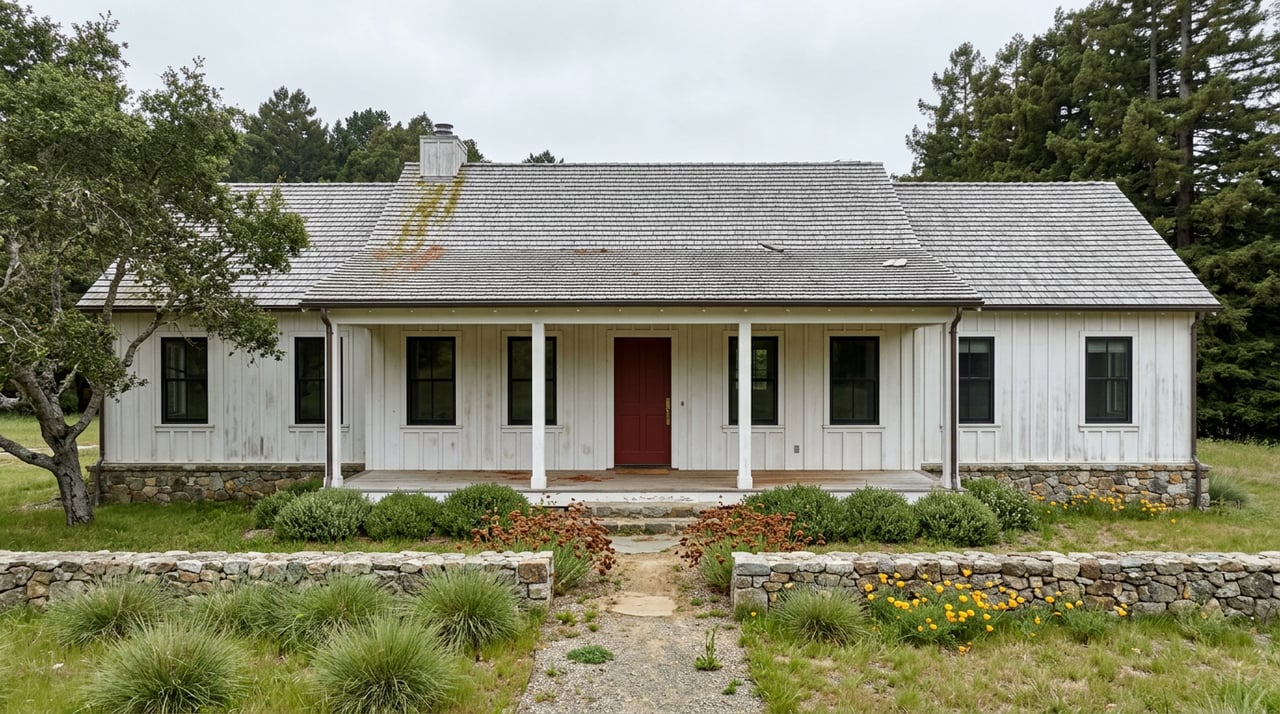
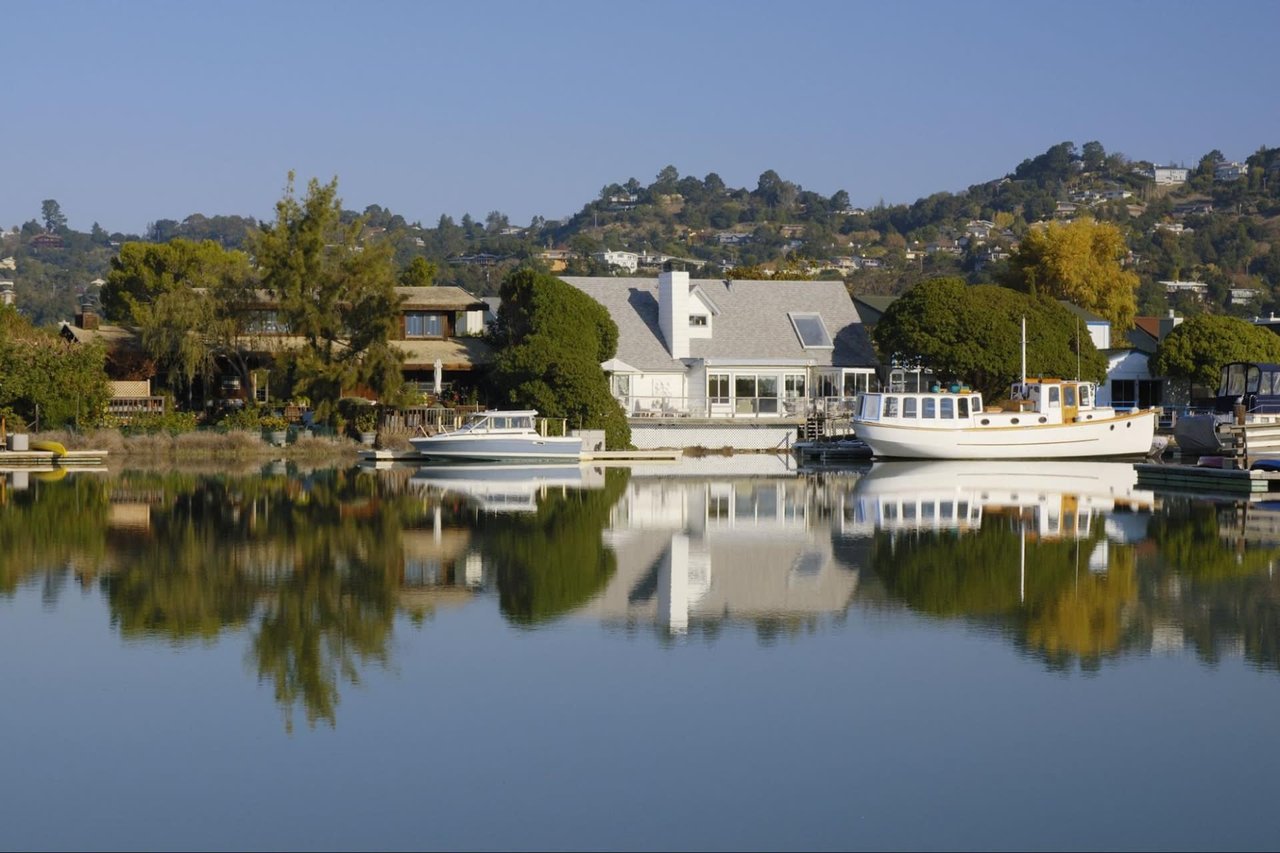
West Marin includes some of the most distinctive property types in Marin County. Depending on the location, you may find farmhouses, coastal cottages, acreage parcels, and ranch-oriented compounds.
Point Reyes National Seashore’s description of Pierce Ranch, with its main house, schoolhouse, barns, blacksmith shop, and dairy houses, offers a window into the area’s agricultural legacy. Even when a home is not historic in a formal sense, the broader region often carries that same connection to land use and long-term stewardship.
That can be a major draw for buyers who want something more rooted and less interchangeable. In West Marin, homes often feel tied to the landscape in a way that is hard to replicate elsewhere.
Who West Marin Ownership Suits Best
West Marin tends to work best for buyers who value privacy, landscape, and a slower pace more than quick convenience. If you want a home base that feels immersive, nature-forward, and distinctly separate from suburban life, it can be a compelling fit.
It may be less ideal if your top priority is short errand runs, dense service access, or a highly turnkey ownership experience. The region asks more of you in planning, maintenance, and adaptation to rural conditions.
That does not lessen its value. For the right buyer, it is exactly what makes the ownership experience so rewarding.
A successful purchase here often comes down to clarity. When you understand both the beauty and the practical realities, you are far more likely to buy well and enjoy the property the way you intended.
If you are considering a retreat purchase in West Marin and want grounded, strategic guidance on how a property fits your goals, Eric Schmitt can help you evaluate the opportunity with local insight and a discreet, high-touch approach.
FAQs
What is considered West Marin in Marin County?
- West Marin is a county-defined rural region that includes communities such as Point Reyes Station, Inverness, Olema, Tomales, Dillon Beach, Marshall, Bolinas, Stinson Beach, Muir Beach, Nicasio, Woodacre, Lagunitas, Forest Knolls, and the San Geronimo Valley.
What is daily life like when you own a retreat in West Marin?
- Daily life in West Marin is usually slower and more intentional, with longer drives, fewer nearby errands, and more planning around shopping, appointments, and weekend traffic.
What outdoor access comes with owning in West Marin?
- Owners are close to major natural amenities including Point Reyes National Seashore, with about 150 miles of trails and 80 miles of shoreline, and Tomales Bay State Park, which offers sheltered coves and day-use beach access.
What utility systems should buyers expect in West Marin homes?
- Many West Marin properties rely on onsite wastewater treatment and private water systems, so buyers should pay close attention to septic, wells, permits, and long-term maintenance needs.
What should buyers know about improving property in West Marin?
- In parts of West Marin, especially within the coastal zone, property changes may follow a more nuanced permitting path under Marin County’s Local Coastal Program.
Is West Marin convenient for commuting and errands?
- West Marin has important rural transit connections, but most owners still depend on a car, and many larger errands and services continue to point east toward San Rafael.